
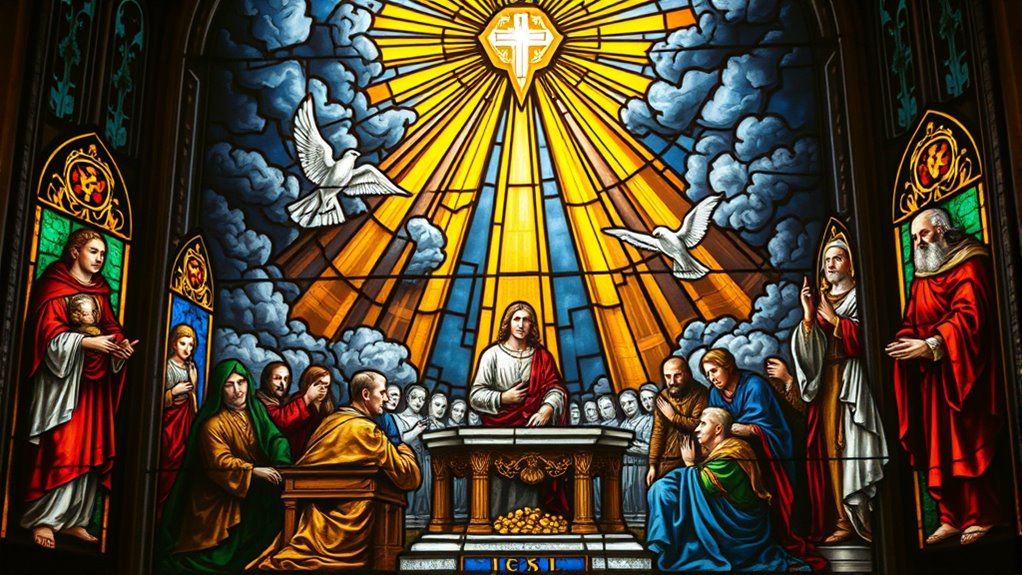
Humanity has exchanged God’s glory for earthly gain since at least the Neolithic period, when material surplus began reshaping human priorities. Scripture reinforces this pattern through figures like Esau and Judas, both of whom traded lasting value for immediate reward. Yet Deuteronomy 10:14 reminds readers that God retains ownership of everything. Despite humanity’s repeated deficits, 1 Peter 1:18–19 affirms that Christ’s blood accomplishes what silver and gold cannot. The full account of that exchange, and what it restores, continues ahead.
The Trade Humanity Has Been Making Since the Beginning
From the moment early humans first exchanged a sharp-edged piece of obsidian for something they needed, trade became a defining feature of human life. Evidence suggests this began roughly 150,000 years ago. By 30,000 years ago, Homo sapiens were carrying seashells more than 125 miles inland, reflecting organized exchange across distances. When the Neolithic Revolution arrived around 10,000 BCE, settled agriculture produced surpluses, enabling communities to specialize and trade excess goods. Humanity has always moved toward exchange. From stone tools to grain shipments, people have consistently sought what others possessed, offering something in return. Ostrich eggshell beads have been found over 300 kilometers from their origin in South Africa, revealing that even prehistoric peoples were willing to pass valuable objects across vast networks of human connection. In ancient Mesopotamia, communities used baked-clay tokens to track and represent quantities of crops and livestock, laying the earliest foundations of organized economic exchange. This long history of exchange highlights our need to practice responsible stewardship of resources and to resist placing material accumulation above spiritual priorities.
The Soul You Forfeit When the World Becomes Your God?
What a person stands to lose, according to Scripture, is not merely comfort or opportunity but something far more permanent. Matthew 16:26 records a direct question: what does a person gain by winning the world yet forfeiting the soul? The answer, implied clearly, is nothing.
Psalm 49:7–8 adds that no payment exists to redeem a lost soul. Esau traded his birthright for a meal; Judas exchanged Jesus for silver. Both received what they sought temporarily. Scripture treats the soul as outlasting everything else a person might accumulate, making its loss the one loss nothing else can correct.
The rich man in torment found that no coin, feast, or pleasure could cross the uncrossable chasm that separated him from relief, groaning that nothing could be given in return for what he had lost.
Redemption of the soul cannot be secured by perishable riches, for as 1 Peter 1:18–19 declares, it is purchased not by silver or gold but by the precious blood of Christ. The Bible consistently contrasts earthly gain with eternal consequences to underscore the seriousness of where one places ultimate trust.
What It Means That God Owns Everything You Think Is Yours
The soul, Scripture argues, cannot be bought back once lost — but the possessions a person might trade it for were never truly theirs to begin with.
Deuteronomy 10:14 declares that the heavens, the earth, and everything within them belong to God.
Haggai 2:8 adds silver and gold to that list.
Leviticus 25:23 describes humans as tenants, not owners.
John Wesley defined stewardship as managing God’s treasures in God’s way.
First Timothy 6:7 notes that no one enters or exits the world carrying anything.
Ownership, Scripture consistently suggests, was always borrowed — and responsibility, not possession, was always the point.
Nebuchadnezzar once surveyed Babylon and claimed its glory as his own achievement, yet God’s sovereign restoration came only after seven years of humbled living stripped that illusion completely away.
Paul pressed this point directly in 1 Corinthians 4:7, asking what any person possesses that was not first received from God.
Generous giving flows from a heart of stewardship, calling believers to practice joyful and regular generosity as an expression of worship and care for the community.
Why Only Christ’s Blood Covers the Debt We Cannot Pay?
How a debt gets paid depends entirely on whether the payment is sufficient — and in spiritual terms, humanity has never had enough to settle what it owes.
Hebrews 9:22 states that without the shedding of blood, there is no forgiveness. Animal sacrifices under the Old Covenant system were temporary, requiring constant repetition because they could not permanently remove sin. The Fall introduced the universal condition of sin that made such sacrifices inadequate.
Only a sinless substitute could satisfy God’s justice completely. Christ alone met that standard.
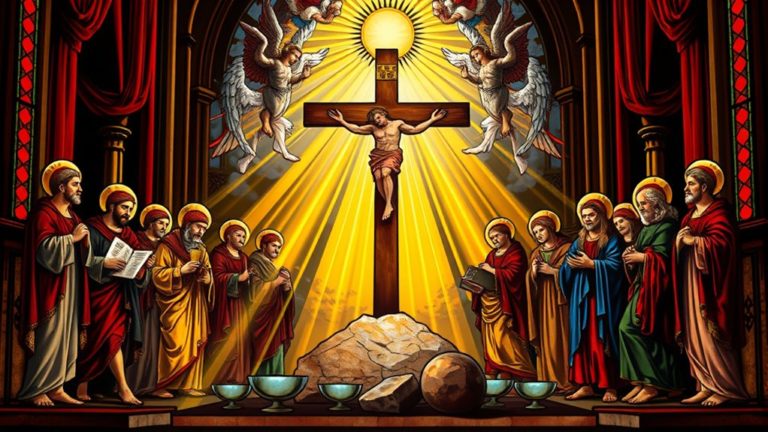
His death at Calvary discharged the full debt for those who trust Him, and the empty tomb confirmed the payment was accepted. Scripture declares this work once-for-all finished, leaving no basis for any additional sacrifice to atone for sin.
Every person enters the world already carrying an inherited spiritual debt, embedded in their very nature, and no amount of good works or personal effort could ever repay what justice righteously demands.
What God Actually Gives You When You Come Back to Him?
Beyond punishment and condemnation, Scripture describes a return to God as an exchange — what was broken gets restored, and what was lost gets recovered.
Ezekiel 36:26 records God’s promise to remove hearts of stone and replace them with hearts of flesh.
Anxiety over past wrongdoing diminishes as grace covers previous transgressions.
Hardened perspectives soften, and personal desires gradually align with God’s direction rather than pulling against it.
The Holy Spirit is poured out upon those demonstrating genuine repentance, exposing and removing sin from within.
Deuteronomy 30:6 reveals that God himself promised to circumcise the heart, enabling his people to love him fully and return to him with genuine devotion.
What God gives returning believers, Scripture suggests, is not merely forgiveness — but holistic renewal. Matthew 11:28 extends an open invitation to all who are weary and burdened, promising that true rest is found only in Christ.
God’s rule over past, present, and future assures believers of sovereign restoration as part of that renewal.