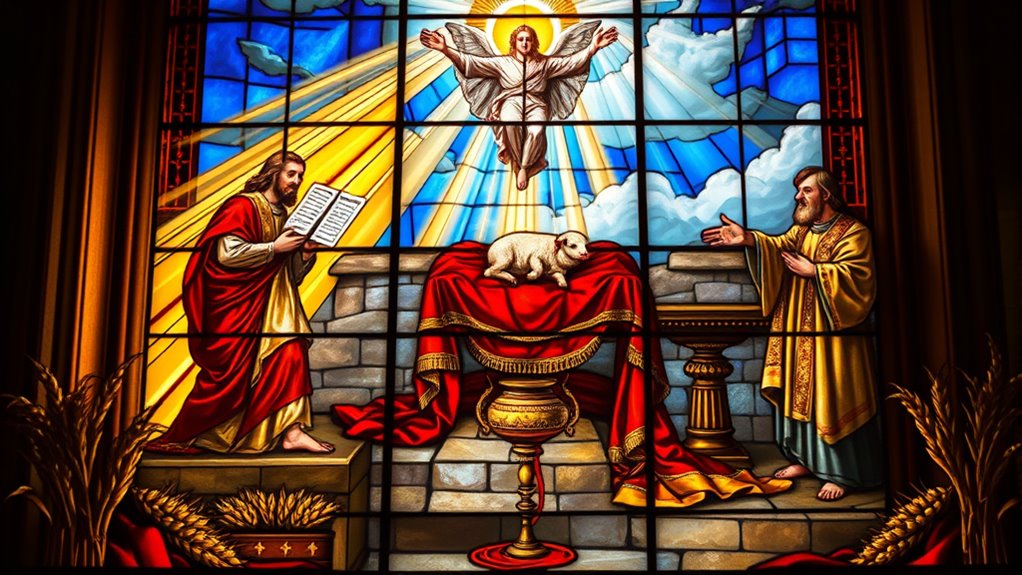









Biblical masculinity is defined by God’s design in Genesis, the example of Jesus, and the responsibilities Scripture gives men. Genesis 1:26–27 grounds manhood in image-bearing and stewardship, while Philippians 2 and John 13 show strength expressed through service. Passages like Micah 6:8 and 1 Corinthians 16:13 name the traits: humility, courage, self-control and integrity.
Key Takeaways
- Manhood is grounded in creation and God’s purpose, not in changing cultural expectations.
- Jesus is the standard: he used authority to heal and restore, not to dominate.
- Scripture gives men concrete duties: providing, leading spiritually, and forming children in faith.
- Character traits such as humility, self-control, courage and integrity are built through daily obedience.
Biblical Manhood Starts With God’s Design, Not Culture

When people ask what it means to be a man, culture usually offers the first answer, and that answer keeps changing. Athletic dominance defined it in one generation; stoic independence in another. Scripture points elsewhere, to what God intended from the beginning.
Genesis manhood begins with creation identity, before any cultural script exists:
God said, “Let us make man in our image, after our likeness: and let them have dominion over the fish of the sea, and over the birds of the sky, and over the livestock, and over all the earth, and over every creeping thing that creeps on the earth.” God created man in his own image. In God’s image he created him; male and female he created them.
Genesis 1:26-27 (WEB)
The passage describes male and female as deliberate acts of God’s design, and the Bible calls that design good. Its foundation therefore predates human failure and anchors manhood to a fixed point rather than a shifting standard. Men are described as image-bearers entrusted with stewardship over the earth and living things, a responsibility that shapes the purpose behind masculinity.
Christian teaching on the Trinity affirms that identity and responsibility are grounded in one God revealed as Father, Son, and Holy Spirit, which informs biblical teaching on authority and relationship, especially regarding divine unity.
What Real Biblical Manhood Looks Like in Jesus
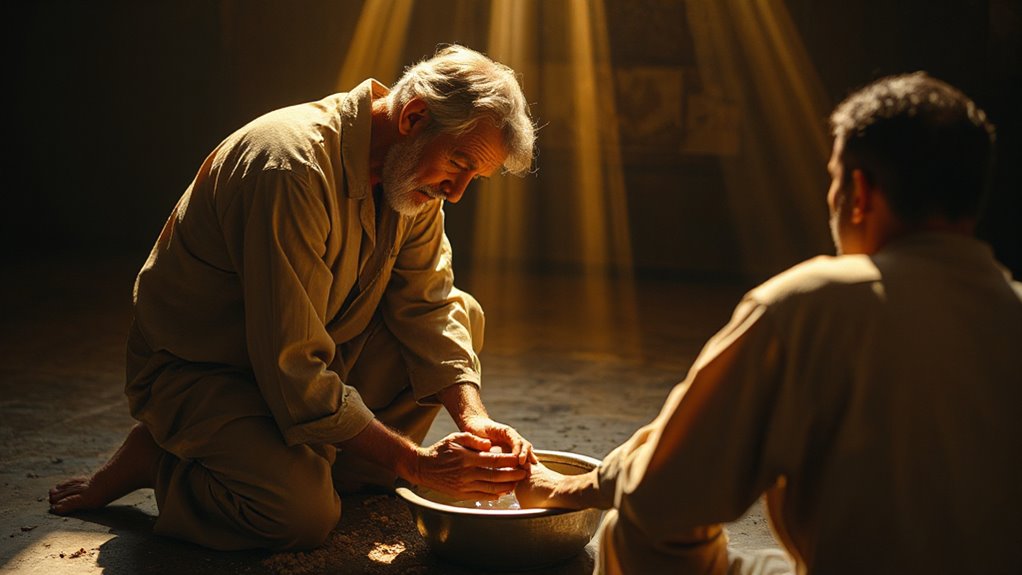
Scripture points to the life of Jesus as the pattern. He combined real authority with genuine humility, using power to heal, protect, and restore rather than dominate. Philippians 2 describes him taking the form of a servant:
Have this in your mind, which was also in Christ Jesus, who, existing in the form of God, didn’t consider equality with God a thing to be grasped, but emptied himself, taking the form of a servant, being made in the likeness of men. And being found in human form, he humbled himself, becoming obedient to death, yes, the death of the cross.
Philippians 2:5-8 (WEB)
This pattern of servant leadership reframes greatness as sacrificial care rather than status or self-promotion. Jesus also showed moral courage under sustained pressure, facing temptation, opposition, and suffering without abandoning his mission, and he showed tenderness toward the vulnerable while standing firmly against injustice. For Scripture, Jesus is not one model among many; he is the defining standard.
In John 13, Jesus rose from supper, took a towel, and washed his disciples’ feet, leaving no room for a definition of strength built on status or distance from those being led.
If I then, the Lord and the Teacher, have washed your feet, you also ought to wash one another’s feet. For I have given you an example, that you also should do as I have done to you.
John 13:14-15 (WEB)
His declaration that the Son of Man came not to be served but to serve was so contrary to prevailing expectations that some refused to believe he could be the Savior they hoped for. Catholic readers studying these passages may use the NABRE edition of the Bible.
What Biblical Manhood Requires a Man to Take Responsibility For

Scripture follows the pattern of Jesus with specific duties. First Timothy 5:8 names care for one’s household as a moral obligation, warning that neglecting family provision reflects poorly on a man’s faith.
But if anyone doesn’t provide for his own, and especially his own household, he has denied the faith, and is worse than an unbeliever.
1 Timothy 5:8 (WEB)
Paul treats refusing to provide as a denial of faith itself. Ephesians 5:23 connects household leadership with accountability before God rather than simple authority. Ephesians 6:4 charges fathers with active spiritual formation, not only financial support, and Deuteronomy 6:6-7 extends that duty into daily instruction.
Genesis 2:15 frames work itself as stewardship, not personal ambition. First Corinthians 16:13-14 pairs courage with love, and Proverbs 4:7 calls men to pursue wisdom above all acquisitions, treating understanding as essential to mature responsibility.
Genesis 3:9 reveals that God called Adam to account for what occurred in the garden, even though Eve sinned first. Some teachers see in this a male primary accountability rooted in leadership rather than blame. Across these passages, biblical manhood consistently means owning responsibilities rather than avoiding them. Those teachings rest on long-standing textual preservation.
The Character Traits Scripture Ties Directly to Biblical Manhood

Scripture does not stop at what a man should do; it also identifies what kind of person he should be. Humility stands at the center, with Micah 6:8 and James 4:6 both connecting it to right standing before God.
He has shown you, O man, what is good. What does Yahweh require of you, but to act justly, to love mercy, and to walk humbly with your God?
Micah 6:8 (WEB)
Self-control follows closely, described in Proverbs 25:28 as essential protection against collapse. Courage is named directly in 1 Corinthians 16:13, paired with steadfastness under pressure.
Watch! Stand firm in the faith! Be courageous! Be strong! Let all that you do be done in love.
1 Corinthians 16:13-14 (WEB)
Integrity, or moral consistency between speech and conduct, is required in both Titus 1:6 and Psalm 15. Servant leadership, shaped by Ephesians 5:25 and John 13:14-15, places sacrificial love above dominance.
Scripture also draws a line between these traits and the two opposing errors of tyranny and passivity, both failures of biblical masculinity that distort what God intended. Foundational spiritual disciplines, like daily Bible reading, support growth in these traits over time.
How Biblical Manhood Is Built Through Daily Obedience

A single decision can mark a turning point, but Scripture frames biblical manhood as something built gradually through daily obedience. Deuteronomy 10:12-13 connects fearing God, walking in his ways, and keeping his commands as ongoing practices rather than isolated events. Joshua 1:7-9 ties courage and success to careful, consistent obedience.
This book of the law shall not depart from your mouth, but you shall meditate on it day and night, that you may observe to do according to all that is written in it; for then you shall make your way prosperous, and then you shall have good success. Haven’t I commanded you? Be strong and courageous. Don’t be afraid. Don’t be dismayed, for Yahweh your God is with you wherever you go.”
Joshua 1:8-9 (WEB)
Small daily choices in home, work, and community accumulate into spiritual maturity. Reading a chapter daily can help form consistent habits, and meditating on Scripture supports the process, since God’s words are meant to shape routine conversation and behavior.
Men are also called to continual dependence on God, casting every anxiety on him and offering consistent praise. Abraham’s obedience in Genesis 22 shows that faith and submission are proven not by intention alone but by the steps a man takes in difficult moments.
Common Questions About Being a Man in the Bible
Does biblical manhood mean a man has authority over others?
Scripture does link men to household leadership, but it ties that leadership to accountability before God. Jesus models authority used to heal and restore rather than dominate, and the Bible names both tyranny and passivity as failures.
Is biblical manhood about dramatic acts of courage?
Not mainly. Courage is named in Scripture, but manhood is described as steady faithfulness across ordinary days, built through small, consistent choices.
Growing Into Biblical Manhood One Day at a Time
The Bible offers a pattern rather than a performance: look to Christ, accept your responsibilities, and practice obedience in ordinary moments. A good next step is to choose one passage from this article and read it each day this week.