



The Bible never uses the word “nightmare,” but it does describe troubled sleep, nighttime fear, and disturbing dreams throughout Scripture. Figures like Nebuchadnezzar and Job experienced vivid, unsettling nights that left them shaken. Psalms 4:8 and 91:5 connect trust in God directly to peace and protection during sleep. Not every disturbing dream carries a spiritual cause, as medical factors like stress and trauma also apply. The sections ahead address each of these questions more closely.
Key Takeaways
- The word “nightmare” never appears in Scripture; the Bible instead uses terms like “dream,” “vision,” or descriptions of fear during sleep.
- Biblical figures like Nebuchadnezzar and Job experienced deeply disturbing sleep, showing God takes troubled nights seriously.
- The Bible does not establish that every bad dream has a spiritual or demonic cause; stress, trauma, and anxiety are also recognized factors.
- Psalms 4:8, 91:5, and Proverbs 3:24 connect trusting God directly to experiencing peace and protection during sleep.
- Scripture encourages prayer, daily Bible reading, and verses like James 4:7 and Ephesians 6:10–18 as responses to nighttime fear.
Does the Bible Actually Mention Nightmares?
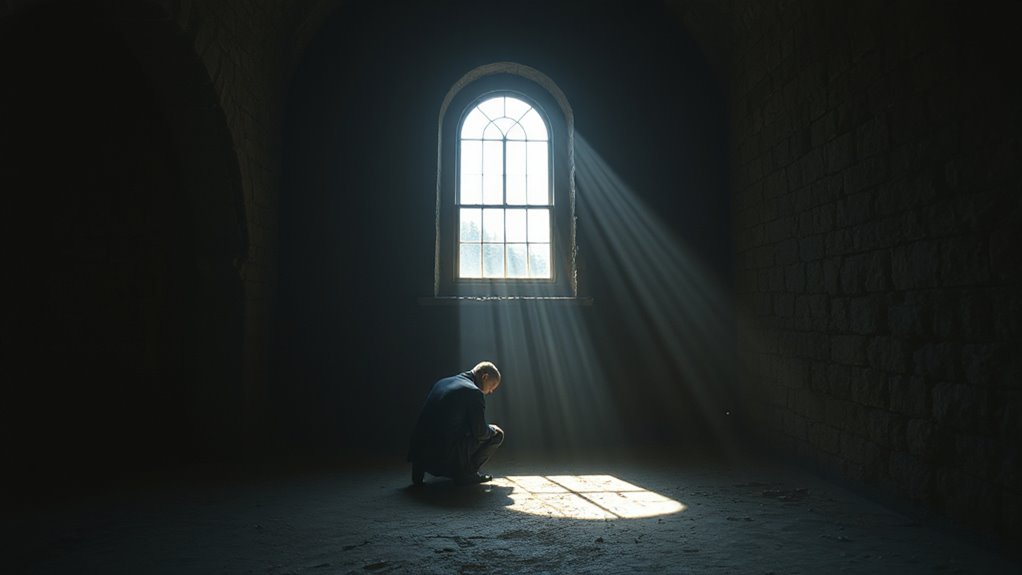
When people search for what the Bible says about nightmares, they quickly encounter a small but important detail: the word “nightmare” does not actually appear in Scripture.
The term itself comes from later folklore, not biblical vocabulary.
Instead, the Bible uses words like “dream,” “vision,” or descriptive phrases about fear during sleep.
The Bible speaks of dreams, visions, and fear in the night — never once using the word nightmare.
Passages in Job, Daniel, and Genesis reference troubling dreams and night dread, but no verse formally labels them nightmares.
Scholars and research summaries commonly note this distinction, separating frightening dreams from the modern English category readers bring to their search.
That does not mean the Bible is silent on the experience.
It simply means readers must follow the biblical language carefully rather than expecting a term that was never there.
Nightmares are defined as dreams that produce strong negative emotional responses such as fear or horror, often leaving sufferers in extreme distress upon waking.
Scripture does, however, acknowledge that dreams can convey guidance, warnings, or insights into a person’s spiritual and waking life.
Many of these accounts were transmitted in Hebrew and Aramaic before later Greek translations spread them more widely.
When Bible Characters Couldn’t Sleep From Fear

Scripture may not use the word “nightmare,” but it does record something closely related: people who could not sleep because fear had taken over.
Nebuchadnezzar woke from troubling dreams in Daniel 2:1, his spirit so unsettled that sleep simply left him.
Job described nighttime visions in Job 4:13–14 as something closer to dread than rest, linking darkness with emotional collapse.
David, in Psalm 77, spent a sleepless night cycling through unanswered questions about whether God had abandoned him entirely.
Each account treats disturbed sleep as a real and serious condition, not a minor inconvenience.
Importantly, none of these stories end in permanent despair.
In most cases, the sleepless night becomes a turning point, moving the person toward prayer, memory, or divine reassurance. Psalm 94:19 captures this pattern directly, showing that God’s consolation comes into the anxiety rather than waiting until it passes, meaning anxiety and consolation can exist within the same moment. Psalm 4:8 reflects a similar movement, where David declared peace as a chosen trust even while writing during a season of real opposition rather than comfort.
The accounts also reflect early Christian and Jewish understandings of God’s distinct persons and divine presence in human life, pointing to the Trinity in how divine consolation is both personal and communal.
Do Nightmares Always Have a Spiritual Cause?

Not every nightmare carries a spiritual explanation, and the Bible itself does not establish a rule saying otherwise. Scripture includes disturbing dreams tied to fear, grief, and warning, but it never presents a single cause for all bad dreams.
Medical researchers classify nightmares as a parasomnia, most often occurring during REM sleep and linked to stress, trauma, medication side effects, and irregular sleep. Observations about sleep stages and dream timing align with modern REM sleep research.
Psychological causes, including anxiety and PTSD, are well-documented nightmare triggers requiring no spiritual explanation. Some Christian writers do consider spiritual warfare a possible lens, but they stop short of applying it universally.
One source notes plainly that the Bible does not directly substantiate the claim that every nightmare originates from demonic activity.
Discernment, rather than a fixed rule, appears to be the more responsible approach. Trauma can dysregulate the autonomic nervous system, creating a persistent state of hyperarousal that makes restful sleep difficult and increases the likelihood of distressing dreams.
Among those diagnosed with PTSD, nearly 80 percent report experiencing nightmares, underscoring how deeply psychological and physiological factors can shape the content and frequency of disturbing dreams.
Bible Promises About Peace and Sleep

The Bible contains several direct promises connecting trust in God with peaceful, undisturbed sleep. Psalm 4:8 links peace, sleep, and safety in a single verse, presenting rest as something supported by trust rather than self-protection.
Proverbs 3:24 pairs the absence of fear with “sweet” sleep, framing fear reduction as a biblical pathway to rest.
Fear has no place beside restful sleep — and Scripture frames its absence as the very path to sweetness at night.
Psalm 127:2 describes sleep as a gift God grants to those he loves, contrasting it with anxious effort. The meaning of names like Yahweh saves underscores the Bible’s broader theme of God as deliverer and sustainer.
Philippians 4:6-7 promises that prayer replaces anxiety and that God’s peace actively guards hearts and minds.
Psalm 3:5 adds that both lying down and waking happen under God’s care.
Together, these passages present peaceful sleep not as a personal achievement but as a repeated biblical promise rooted in divine protection. Isaiah 26:3 affirms that God will keep in perfect peace those whose minds remain steadfast because they trust in him.
Psalm 116:7 frames returning to rest as a direct response to the Lord’s goodness, presenting rest not as something earned but as a natural return to what God has already provided.
Bible Verses to Pray When Nightmares Won’t Stop
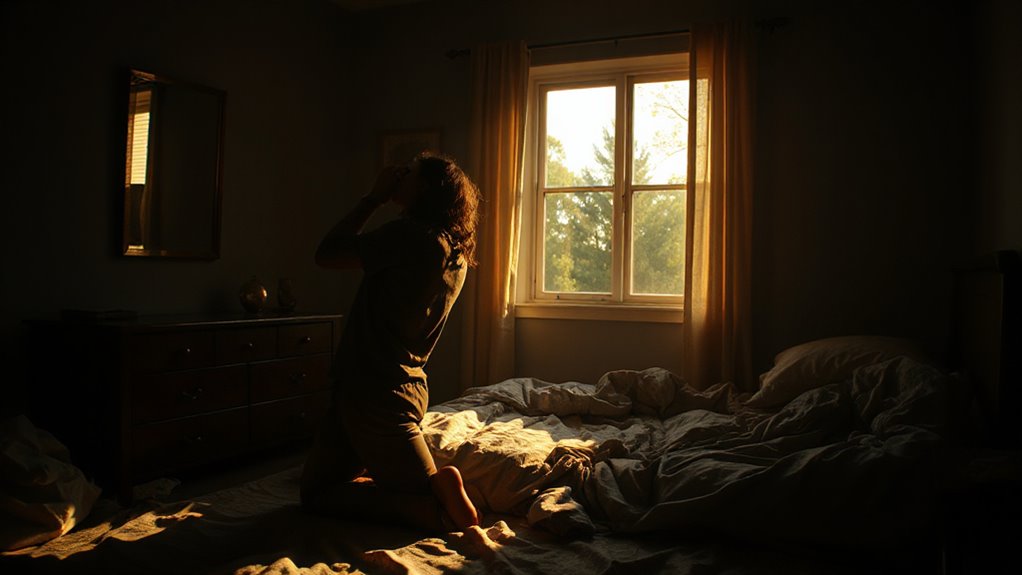
When nightmares persist despite prayer and rest, certain Bible passages are commonly recommended as a starting point for more focused, specific prayer.
Psalm 91:5 addresses nighttime terror directly, while Psalm 4:8 and Proverbs 3:24 both connect prayer to undisturbed sleep. Regular daily Bible reading also helps believers understand and apply these promises more consistently.
For fear that surfaces after waking, Psalm 34:4, Isaiah 41:10, and 2 Timothy 1:7 are frequently cited.
When recurring nightmares feel spiritually rooted, prayer resources often draw from Luke 10:19, James 4:7, and Ephesians 6:10–18, each framing the believer’s response as active resistance rather than passive endurance.
Psalm 16:7–8 and Psalm 63:6–7 add a quieter dimension, centering prayer on God’s nearness through the night. Romans 16:20 offers a direct promise that God of peace will crush Satan under the believer’s feet, grounding nighttime prayer in the assurance of ultimate spiritual victory.
Together, these passages cover protection, fear, spiritual authority, and presence—four areas consistently tied to nightmare-related prayer. Practical preparation before sleep, such as reading a Psalm aloud, is also commonly recommended alongside Scripture-based prayer to reinforce nightly peace and spiritual confidence.