

The Bible describes the end times as a period when Christ will return to earth following a sequence of prophetic events. Many scholars interpret this to include the Rapture, when believers are removed from the world, followed by a seven-year Tribulation marked by divine judgments and the rise of the Antichrist. Key passages such as 1 Thessalonians 5:9, Revelation 3:10, and Daniel 9:27 provide scriptural support for this timeline. The events culminate in Christ’s return to establish His kingdom, with details of these judgments and their sequence outlined further below.
Key Takeaways
- The Rapture will remove believers from earth, with debate over whether this occurs before, during, or after the Tribulation.
- A seven-year Tribulation period begins when the Antichrist signs a covenant with Israel, as prophesied in Daniel 9:27.
- The Tribulation includes seal, trumpet, and vial judgments bringing catastrophic events, persecution, and divine wrath upon earth.
- The Antichrist breaks his covenant at the midpoint, demands worship, and triggers the Great Tribulation’s intensified suffering.
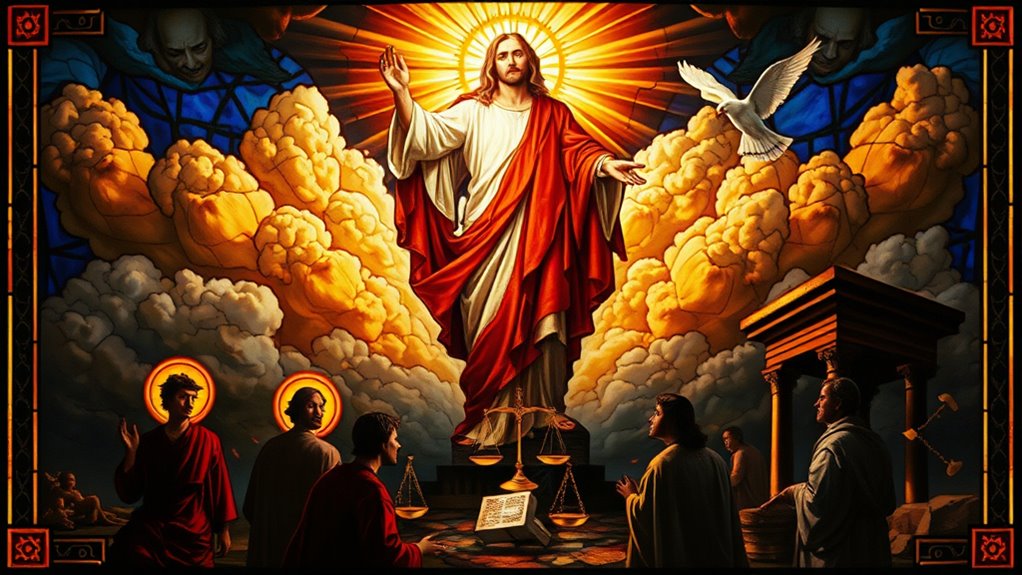
- Christ returns after the Tribulation to establish His kingdom, following final judgments that prepare earth for His reign.
When Does the Rapture Happen?

When exactly will the Rapture occur in relation to the Tribulation period? Three main views exist among biblical scholars. The pre-tribulational position holds that believers will be removed before the seven-year Tribulation begins, based on passages like 1 Thessalonians 5:9 and Revelation 3:10, which promise the Church deliverance from God’s wrath. Proponents argue the seal judgments in Revelation 6 mark the start of divine judgment, requiring removal beforehand. The Old Testament and early prophetic timeline provide background for how later apocalyptic expectations developed, especially during the post-exilic period with writings dated around 530–440 BC.
The mid-tribulational view places the Rapture near the midpoint of the Tribulation, while the post-tribulational perspective aligns it with Christ’s Second Coming after all prophesied events.
Pre-tribulationalists emphasize the Rapture’s imminence—it could happen at any moment without warning, like a thief in the night, demanding constant watchfulness from believers today. This emphasis on imminence as motivator for persistent watchfulness is central to the pre-tribulational argument, as advocates claim only this view sustains the New Testament’s repeated calls for believers to always be ready. Additionally, they point to the Church’s absence in Revelation 4–18, arguing this literary gap indicates believers are no longer on earth during the Tribulation judgments.
What Happens During the 7-Year Tribulation?
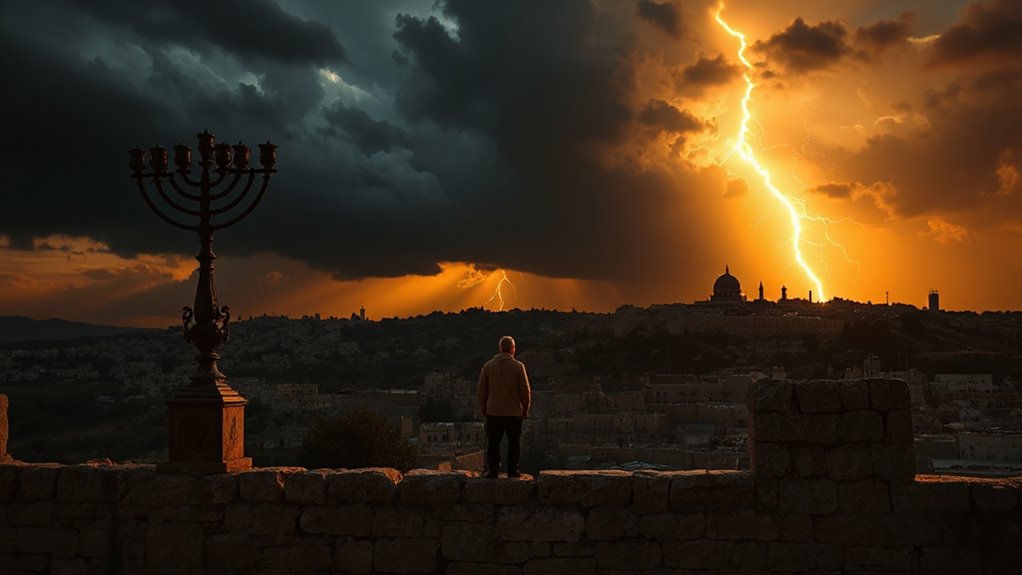
According to biblical prophecy, the seven-year Tribulation begins when the Antichrist signs a covenant with Israel, fulfilling Daniel 9:27‘s prediction of one final “week” in the seventy-weeks timeline. The period spans 84 months, divided into two equal halves of 42 months each. The first half brings false peace, while Revelation 6 describes seal judgments that include widespread martyrdom and catastrophic earthquakes. Archaeological and historical studies place many key Gospel events in and around Jerusalem, a city central to end-times narratives and prophetic fulfillment, including the area around Golgotha now associated with the Church of the Holy Sepulchre and Jesus’ crucifixion.
After the first quarter, trumpet judgments commence with Revelation 8, marking the onset of God’s wrath across the entire world system. The fifth trumpet releases demon-like scorpion tormentors from the bottomless pit who inflict unbearable torture without killing. At midpoint, the Antichrist breaks the covenant and demands worship, triggering the Great Tribulation described in Daniel 7:25 and Revelation 13:5. This period is also known as “the time of Jacob’s trouble”, emphasizing God’s final discipline of Israel.
The final phase releases vial judgments from Revelation 16, including enormous hailstones, preparing earth for Christ’s return and kingdom establishment.