


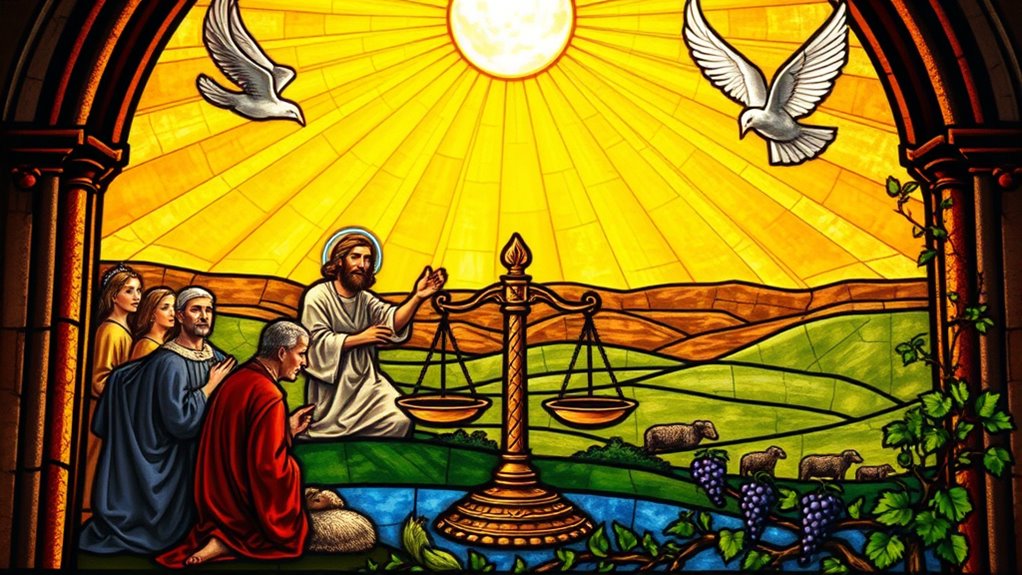

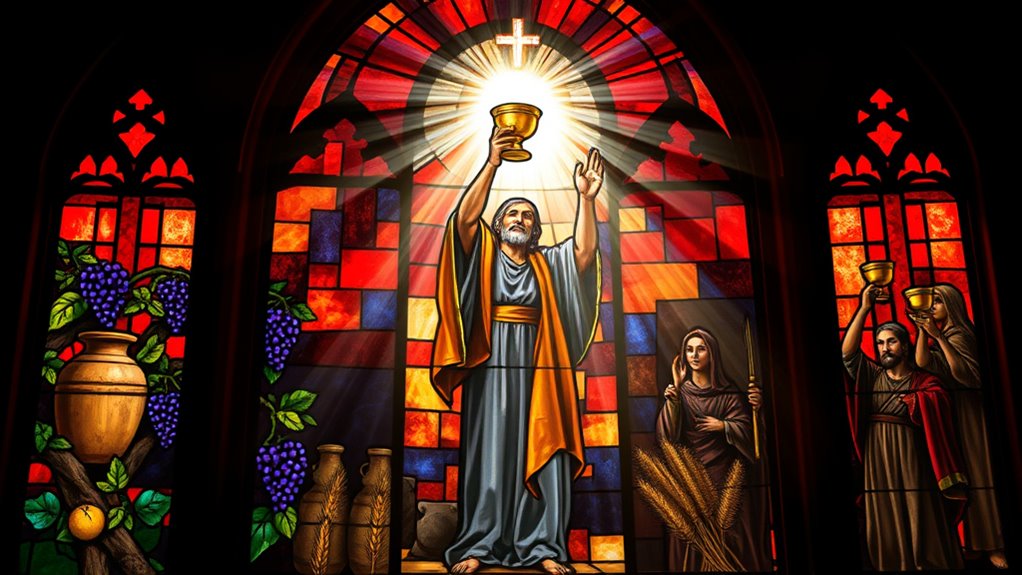
The Bible treats wine as a genuine gift from God rather than an inherently sinful substance. Psalm 104:15 describes wine as something God provides to gladden the human heart, and Deuteronomy 14:26 connects drinking wine with worship and celebration. Scripture also draws firm boundaries, with Ephesians 5:18 directly warning against drunkenness. The governing principle across both Covenants centers on self-control, wisdom, and honoring God, and the full picture contains more nuance than most expect.
Key Takeaways
- The Bible presents wine as a gift from God, given to gladden the human heart and listed among covenant blessings for Israel.
- Wine was incorporated into Israelite worship through drink offerings, festival practices, and firstfruits provisions, making it part of sacred religious life.
- Scripture permits wine consumption but draws a clear moral boundary, explicitly warning against drunkenness as sinful and spiritually harmful.
- Jesus turning water into wine at Cana affirms that Scripture does not categorically prohibit drinking wine.
- The governing biblical principle for alcohol is self-control, wisdom, and the overarching desire to honor God in all conduct.
Is Wine a Gift From God or a Danger to Avoid?
Few questions about the Bible generate more disagreement than whether wine is a blessing or a threat. Scripture, it turns out, treats it as both.
Psalm 104:15 describes wine as something God provides to gladden the human heart, and Deuteronomy 7:13 lists it among covenant blessings given to Israel. Those passages frame wine as part of God’s good provision. Regular, consistent study of passages about wine helps readers grasp the biblical nuance and avoid simplistic conclusions about its use and meaning reading plans.
Yet Ephesians 5:18 warns directly against drunkenness, and Proverbs 23:29–35 catalogs its harms in careful detail. Galatians 5:21 places drunkenness among works of the flesh.
The biblical pattern is not simply pro-wine or anti-wine. Instead, it reflects conditional acceptance: wine may be a gift from God, but drunkenness remains a clear danger to avoid. Deuteronomy 14:26 goes further, implying that spending money on and drinking wine is a good thing.
Wine also carried a place in Israel’s formal worship, with Exodus 29:40 and Leviticus 23:13 describing wine poured over offerings as drink offerings acceptable before the Lord.
What the Bible Actually Says About Wine and Blessing
Across both covenants, the Bible connects wine with blessing in ways that are direct and specific.
Across both covenants, Scripture ties wine to blessing in ways that are pointed, consistent, and impossible to overlook.
Deuteronomy 7:13 links abundant wine to covenant faithfulness, placing it alongside grain and oil as evidence of God’s favor.
Genesis 27:28 includes wine in Isaac’s formal blessing over Jacob, embedding it in patriarchal language of inheritance and provision.
Proverbs 3:9-10 describes vats bursting with wine as a sign of material prosperity following obedience.
Amos 9:14 and Isaiah 55:1 extend this further, using wine to picture restoration and generous divine invitation.
Psalm 104:15 presents wine alongside food and oil as part of God’s ordinary provision for human life.
Deuteronomy 14:22-27 goes further still, instructing worshipers to spend their tithe on wine or strong drink and “rejoice before the Lord”, framing its enjoyment as an act of worship rather than mere celebration. Many Catholic translations and liturgical texts reflect these passages in ways that guide communal practice and interpretation, including the NABRE.
Isaiah 25:6-9 pictures the future kingdom banquet as including aged and refined wine, connecting wine not only to present blessing but to the hope of messianic fulfillment.
Taken together, these passages suggest that wine, in biblical thought, carries consistent weight as a symbol of covenantal well-being.
Where Does the Bible Draw the Line on Drunkenness?
The same Bible that connects wine with blessing and covenant favor also marks a clear boundary around its misuse. Ephesians 5:18 draws the line directly: “do not get drunk with wine,” contrasting drunkenness with being filled with the Spirit.
Romans 13:13 groups drunkenness alongside other forms of moral disorder. First Corinthians 6:9–10 lists drunkards among those excluded from inheriting the kingdom of God.
Proverbs 23:29–35 describes intoxication as producing sorrow, conflict, and impaired judgment. Luke 21:34 links drunkenness with spiritual dullness.
The pattern holds consistently across both agreements. Crossway and GotQuestions both summarize the biblical position as permitting some wine use while prohibiting drunkenness and addiction.
Permission exists, but the boundary is clear and consistently reinforced throughout Scripture. Proverbs 20:1 directly calls wine a mocker and strong drink raging, framing intoxicating drink itself as something that deceives those who use it wrongly.
Isaiah 28:7–8 further illustrates the consequences, showing that priest and prophet erred through wine and strong drink, causing them to stumble in judgment and distort righteous decision-making.
Many Christian traditions, including Catholicism, emphasize moderation and pastoral guidance regarding alcohol use.
What Did God Require About Wine in the Old Testament?
Wine occupied a concrete and recognized place in Old covenant life, appearing in social, religious, and festive settings without any general prohibition attached to it.
God incorporated wine directly into sacrificial worship, requiring it as a drink offering and as part of firstfruits provision.
Numbers 18:12 names wine among the best offerings given to the Levites, and Numbers 18:26–28 directed the Levites to give a tenth of that to the priests.
At the same time, God required abstinence in specific roles.
At the same time, God required abstinence in specific roles, not as a universal standard.
Priests on duty were forbidden from drinking wine while serving, as stated in Leviticus 10:8–9.
Nazirites avoided all grape products during their vow period.
The Old Testament’s pattern, thus, was regulated use with defined exceptions, not universal restriction. Psalm 104:15 presents wine as a gift from God that gladdens the heart of man, framing it as a blessing rooted in the Creator’s design rather than a substance to be condemned outright.
The Hebrew word yayin, the most prevalent term for wine in the Old Testament, appears 141 times across many contexts, reflecting how thoroughly wine was woven into the fabric of Israelite life.
Early Christians also used wine in worship and followed Jewish usage, which influenced the Church’s acceptance of wine as part of religious practice, reflecting the canon formation that included texts from the Septuagint.
Should Christians Drink Wine? What the Bible Actually Settles
Few questions in Christian ethics get debated more persistently than whether believers may drink wine.
Scripture does not treat wine as inherently sinful.
Psalm 104:15 describes wine as something that gladdens the human heart, and Ecclesiastes 9:7 presents drinking as an ordinary part of life received with gratitude.
The Bible’s settled position is not prohibition but moderation.
Ephesians 5:18 draws the boundary plainly: “Do not get drunk on wine.”
Drunkenness is condemned; responsible drinking is permitted.
Christians may also choose abstinence for personal, health, or conscience-related reasons without implying that wine itself is wrong.
The governing principle remains consistent throughout Scripture: alcohol use must be guided by self-control, wisdom, and the desire to honor God in every area of life. At the wedding in Cana, Jesus himself turned water into wine, a fact that carries significant weight in any honest reading of what Scripture endorses.
Deuteronomy 14:26 goes further still, explicitly instructing the Israelites to use their tithe money for beer and wine as an act of celebration and worship before the Lord.
Jesus most likely spoke Aramaic in everyday life, which aligns with the cultural context in which many of these passages were written.