
The Bible presents Earth as God’s deliberate creation, his continuing possession, and the subject of a promised renewal. Genesis 1:1 records that God created the heavens and the earth in the beginning. Psalm 24:1 states the earth belongs to God, along with everything in it. Isaiah 65:17 and Revelation 21:1 both promise a future new earth where suffering ends. The passages below explore each of these themes in greater detail.
Key Takeaways
- God created the earth in the beginning, forming it from a formless, empty state through a structured sequence of creative acts.
- Scripture credits God with creating the earth through His word, wisdom, and deliberate intention, as stated in Job, Psalms, and Isaiah.
- The sun and moon were created to govern time and serve as signs for sacred seasons, days, and years.
- The earth and everything in it belongs to God, with humans granted delegated stewardship rather than absolute ownership.
- The Bible promises a future renewal, replacing the current earth with a new creation where death and suffering cease.
What Does the Bible Say About Earth’s Origin?
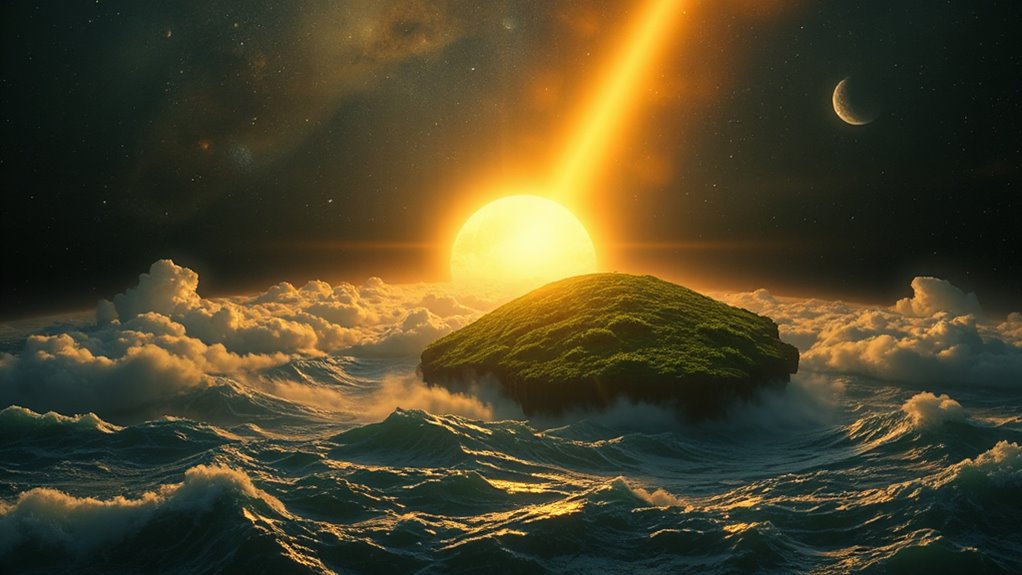
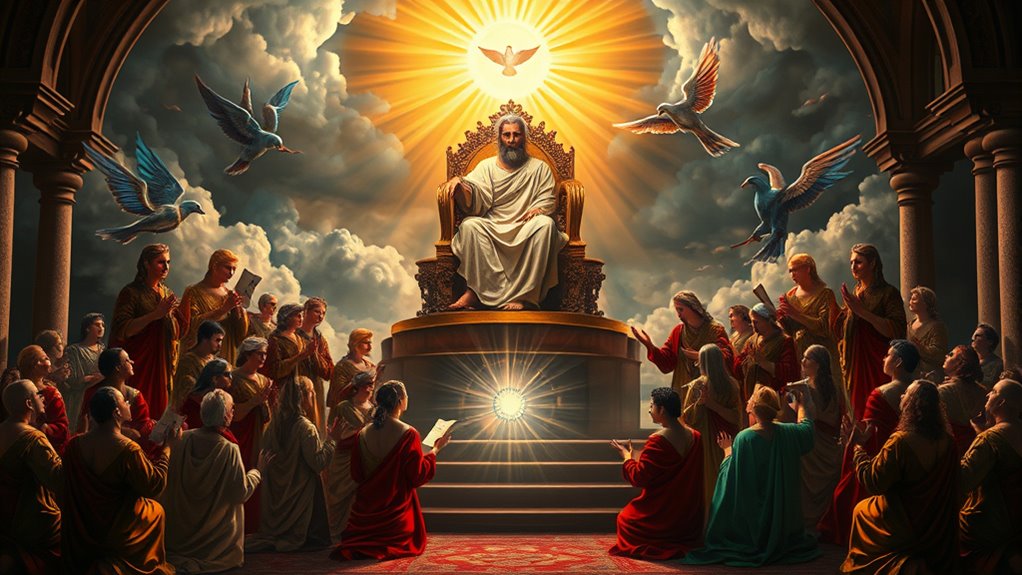
The Bible’s account of Earth’s origin begins with one of the most recognized sentences in religious literature: “In the beginning God created the heavens and the earth” (Genesis 1:1). This opening verse establishes divine creation as the Bible’s foundational claim about how Earth came to exist.
Genesis 1:2 then describes Earth’s initial condition as “formless and empty,” with darkness covering the deep and God’s Spirit hovering over the waters. From that unordered state, God progressively shaped Earth through a structured sequence: light appeared first, followed by sky, dry land, and vegetation. Archaeological and historical study of ancient Near Eastern contexts helps illuminate how these creation motifs related to the people of ancient Israel and their neighbors, especially concerning sacred spaces like Golgotha.
Other biblical texts reinforce this same origin claim. Job 38:4–7, Psalm 33:6, Isaiah 45:18, and Hebrews 11:3 each credit God with creating Earth through wisdom, command, and intention. According to Genesis 1, God also created the sun and moon to govern the day and night and to serve as signs for sacred times, days, and years.
As described in Job 38:4–7, all shouted for joy when the foundations of the earth were laid, reflecting the heavenly celebration surrounding God’s creative work.
Earth Belongs to God, Not Humanity
Having established that God created Earth, the Bible moves to a related claim: that creation did not pass into human hands after it was made.
Psalm 24:1 states plainly, “The earth is the LORD’s, and everything in it.”
Deuteronomy 10:14 echoes this, listing the heavens, the earth, and all their contents as belonging to God.
Paul repeats Psalm 24:1 in 1 Corinthians 10:26, signaling that the principle carries into the New Testament as well.
The phrase “all who dwell therein” extends ownership beyond land and resources to humanity itself.
Bible Hub commentaries note that this ownership rests on the fact that God made and sustains creation.
Human authority, then, is delegated rather than absolute, grounding responsibility, humility, and careful stewardship of the world.
Psalm 24:2 explains that God founded it upon seas, establishing the world upon the floods as a demonstration of His sovereign power over creation.
Job 41:11 reinforces this same claim, with God declaring that “everything under heaven” is His.
Regular engagement with foundational spiritual practices like daily Bible reading helps believers grasp and live out this stewardship responsibility.
What Does the Bible Say About Earth’s Future?

While much of the Bible addresses the present world, a consistent thread across several books looks ahead to what earth will ultimately become. Isaiah 65:17 introduces the promise of “new heavens and a new earth,” a vision repeated in Isaiah 66:22, 2 Peter 3:13, and Revelation 21:1.
These passages describe not destruction for its own sake, but renewal. Revelation 21:4 adds that death, mourning, and pain will end. Jesus likely spoke about renewal using Aramaic terms familiar to his audience, reflecting the Aramaic linguistic context of first-century Palestine.
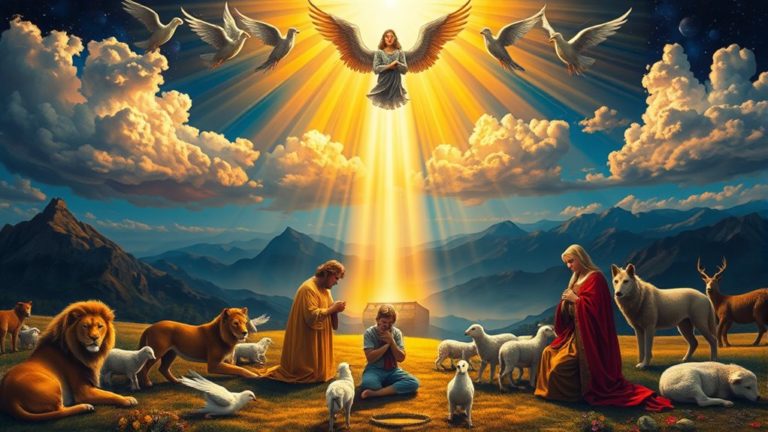
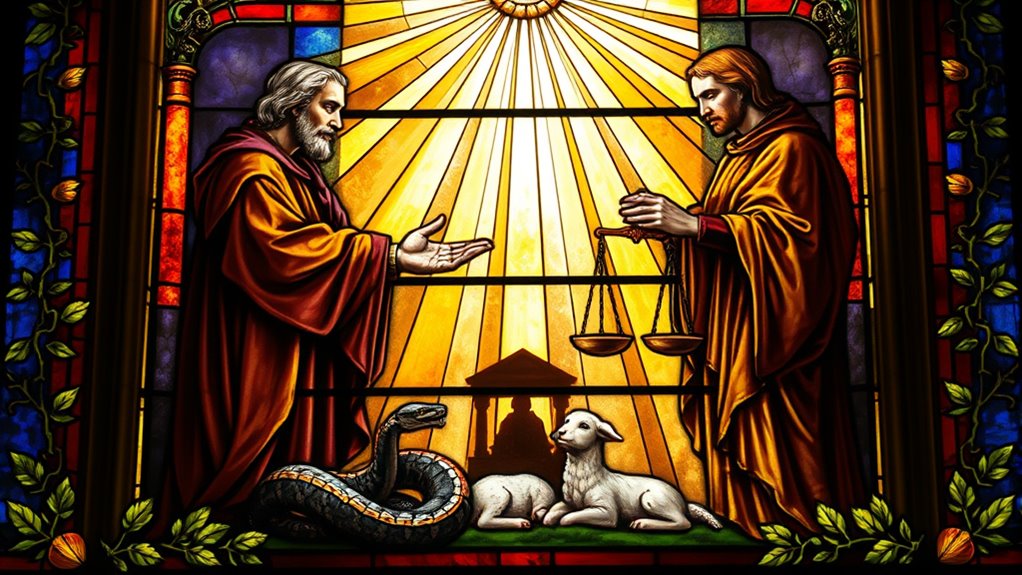
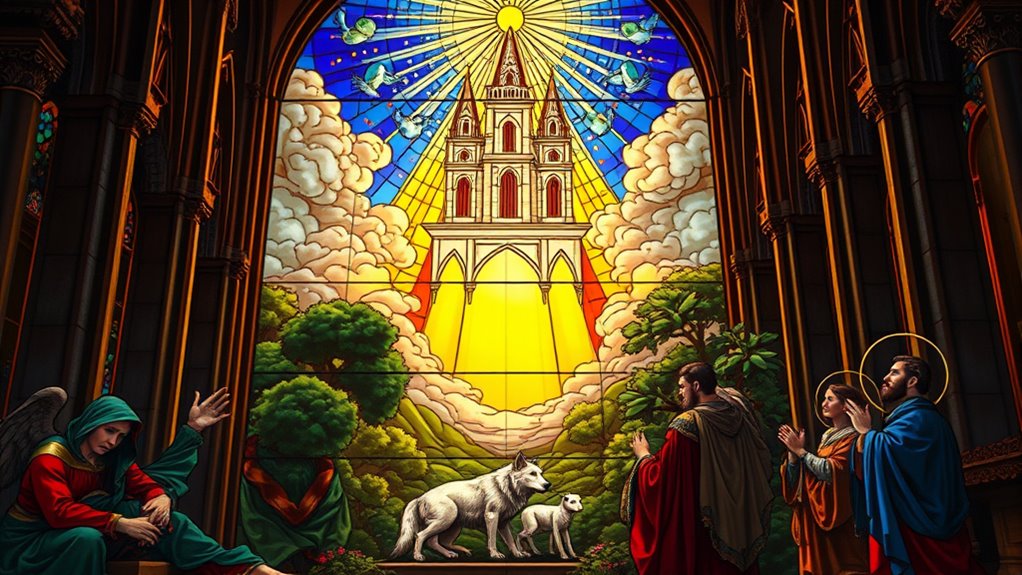
Isaiah 65:25 pictures wolves and lambs feeding together, suggesting harmony across all creation. Second Peter 3:13 ties this future earth specifically to righteousness, framing moral restoration as central to the promise.
Across these sources, the Bible presents earth’s future as shaped by divine renewal, defined by peace, and marked by the removal of everything that once caused harm. Revelation 21:1 also describes the arrival of the Holy City, New Jerusalem coming down from God out of heaven, representing the fullness of God’s dwelling with humanity.
Isaiah 65:17 further states that the former things will not be remembered, nor will they come to mind, emphasizing the completeness of God’s renewal and the total departure from all that came before.