






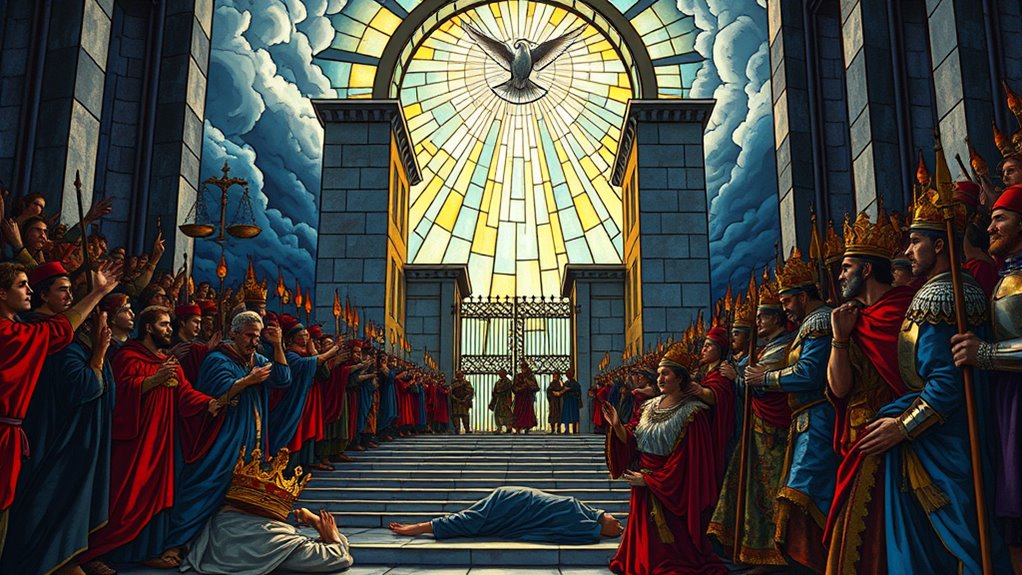
India’s 2026 Cockroach Protests drew Christian Gen Z participants after two events merged into one national grievance: the cancellation of the NEET-UG medical entrance exam following a question paper leak, and a Supreme Court justice’s comparison of unemployed youth to “cockroaches.” Many Christian students described their involvement as shaped by biblical calls to justice and care for the vulnerable. Demonstrations eventually secured Education Minister Dharmendra Pradhan’s resignation. The full story reveals how student pressure reshaped government accountability.
What Sparked India’s ‘Cockroach’ Protests?
What set off one of India’s largest youth-led protest movements in years was a combination of institutional failure and a careless insult from the country’s highest court.
In early May 2026, India’s NEET-UG medical entrance exam was cancelled after its question paper leaked, Reuters and BBC both reported.
Weeks later, a re-test was held, but public trust had already eroded.
Then India’s chief justice compared unemployed young people to “cockroaches” and “parasites,” triggering widespread online backlash.
India’s chief justice called unemployed youth “cockroaches” and “parasites,” igniting a fierce wave of online outrage.
Boston University student Abhijeet Dipke launched the satirical Cockroach Janta Party in response. The party’s cockroach imagery quickly became a symbol of resilience, helping the campaign amass more than 21 million Instagram followers within days.
Together, the exam scandal and the insult fused into a single symbol of systemic failure. Beyond the exam crisis, the movement has expanded its demands to include increased women’s representation in parliament and a more independent media system.
Many Christian participants say their activism is informed by peacemaking and care taught in Scripture and church tradition, shaping how they protest and protect vulnerable peers.
What Were India’s Gen Z Protesters Actually Demanding?
Once the insult and the exam scandal fused into a rallying point, India’s Gen Z protesters moved quickly to articulate what they actually wanted. Their most immediate demand was the resignation of Union Education Minister Dharmendra Pradhan, whom they held responsible for the NEET paper leak. Faithful civic engagement guided many young Christians who joined the protests, seeing advocacy for justice as part of their public responsibility. They also called for punishment of those who leaked exam materials and stronger safeguards against future irregularities.
Reuters and Al Jazeera both reported demands for 10 million rupees in compensation for roughly 20 families of students who died by suicide.
Longer-term, protesters sought a new public examinations law and broader education-system reforms. Demonstrations also spread to Delhi, where youth unemployment was rising and protesters pushed for job and political reforms under Modi’s government.
Prime Minister Narendra Modi announced the creation of fast-track courts for paper leak cases, to be tried under the Public Examinations (Prevention of Unfair Means) Act, 2024, with the Delhi High Court setting up such a court within hours of the announcement.
How Did the Cockroach Protests Force a Resignation?
The resignation of Union Education Minister Dharmendra Pradhan did not come from a routine cabinet reshuffle — it came after roughly five weeks of sustained pressure from the Cockroach Janta Party movement.
Thousands camped in New Delhi, marched toward Parliament, and refused to leave until the minister quit. The protests echoed longstanding biblical calls for justice and mercy in public life, which emphasize leaders’ responsibility to protect the vulnerable.
Thousands descended on New Delhi, marched to Parliament’s gates, and held their ground until demands were met.
Police responded with tear gas and baton charges, turning a student grievance into a national story.
Pradhan announced his resignation on X while officers dispersed protesters near Jantar Mantar.
His letter warned of “anti-national forces” exploiting the unrest.
Activist Sonam Wangchuk, who had been forcibly removed to hospital by police after his condition deteriorated during a hunger strike, ended his 26-day fast on Friday, just one day before Pradhan’s resignation.
Afterward, the movement called off its agitation, describing the resignation as a rare and meaningful win. Analysts noted that the outcome represented an “important defeat” for Modi, whose government had rarely been seen yielding to public pressure in over 12 years of rule.