



The Bible describes praying in tongues as Spirit-led communication with God that bypasses ordinary language, appearing in Acts 2 as known human languages and in 1 Corinthians 14 as private prayer where “he who speaks in a tongue edifies himself.” Paul explains in Romans 8:26–28 that the Spirit assists believers when words fail, helping align prayers with God’s will. First Corinthians 14 permits free use in private devotion while requiring interpretation and order in congregational settings, with Paul instructing believers not to forbid the practice. The sections ahead explore scriptural foundations, spiritual benefits, and practical guidelines.
Key Takeaways
- Biblical tongues refer to “glossa” meaning languages, evidenced by Acts 2 where diverse groups heard the gospel in their native tongues.
- Paul teaches tongues involve speaking mysteries to God in the Spirit, where the mind remains unfruitful during prayer.
- Speaking in tongues edifies the believer personally, strengthening faith and providing spiritual fortification against doubt and discouragement.
- The Spirit assists prayer through tongues when believers lack words, aligning prayers with God’s perfect will according to Romans.
- Public tongues require interpretation and order, while private use allows free expression for personal edification without restriction.
Biblical Definition: What Praying in Tongues Actually Means

The question of what praying in tongues actually means has divided Christian communities for centuries, with interpretations hinging largely on how one reads specific New Testament passages. The Greek term “glossa” translates simply as “language,” which shapes how scholars approach the phenomenon.
Acts 2 describes tongues as known human languages—Parthians, Medes, and Elamites each heard the gospel in their native speech. This suggests a supernatural ability to speak real languages with vocabulary and syntax unknown to the speaker.
However, 1 Corinthians 14:2 introduces complexity, describing speech directed toward God rather than human audiences. Paul writes that the speaker’s spirit communicates directly with God’s Spirit, even when “the mind is unfruitful.” These two frameworks—tongues as human languages versus Spirit-to-Spirit communication—form the foundation of ongoing theological testament. The New Testament itself was written in Koine Greek, which influenced how terms like “glossa” were used and understood.
5 Ways Praying in Tongues Builds Your Spiritual Life
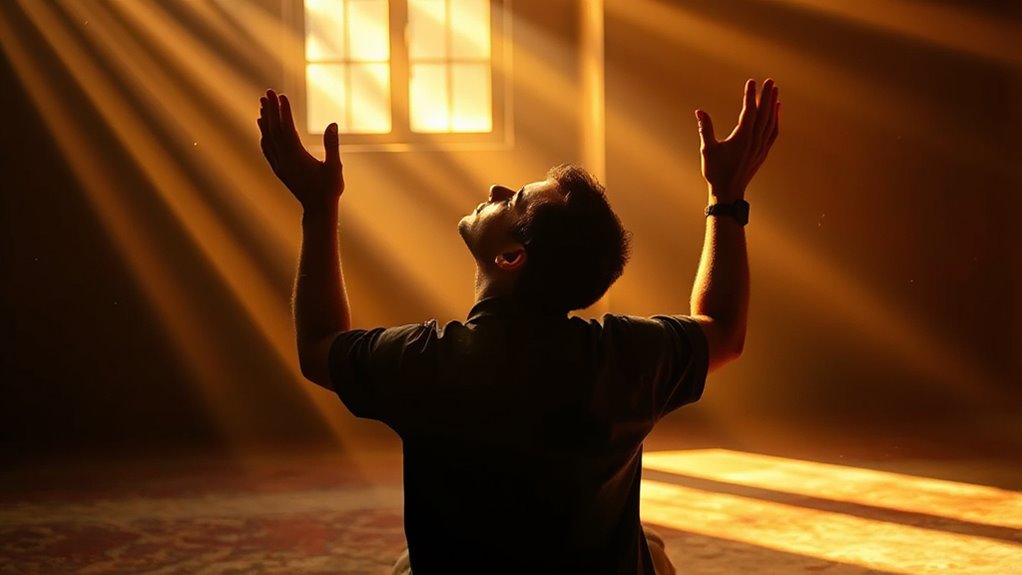
Understanding what praying in tongues means naturally raises another question: what practical effect does this practice have on those who engage in it regularly? According to Scripture, the impact appears multifaceted.
The practice of praying in tongues produces multiple spiritual benefits for believers who engage in it consistently.
First Corinthians 14:4 states that “he who speaks in a tongue edifies himself,” suggesting an internal strengthening of the believer’s spirit. Jude 1:20–21 connects this practice with building up “your most holy faith,” implying a fortification against doubt and discouragement.
Additionally, Romans 8:26–28 describes the Spirit’s assistance in prayer when believers lack words, which practitioners interpret as maintaining alignment with God’s will. Other reported benefits include heightened spiritual awareness, increased clarity in understanding Scripture, and greater sensitivity to divine guidance.
First Corinthians 14:2 notes that the speaker “utters mysteries in the Spirit,” which some associate with accessing deeper wisdom. Starting with the Gospels and a consistent plan, such as reading one chapter daily, can help integrate this practice into a growing devotional life, especially when combined with regular personal reading.
Praying in Tongues Privately vs. in Church: What’s Allowed

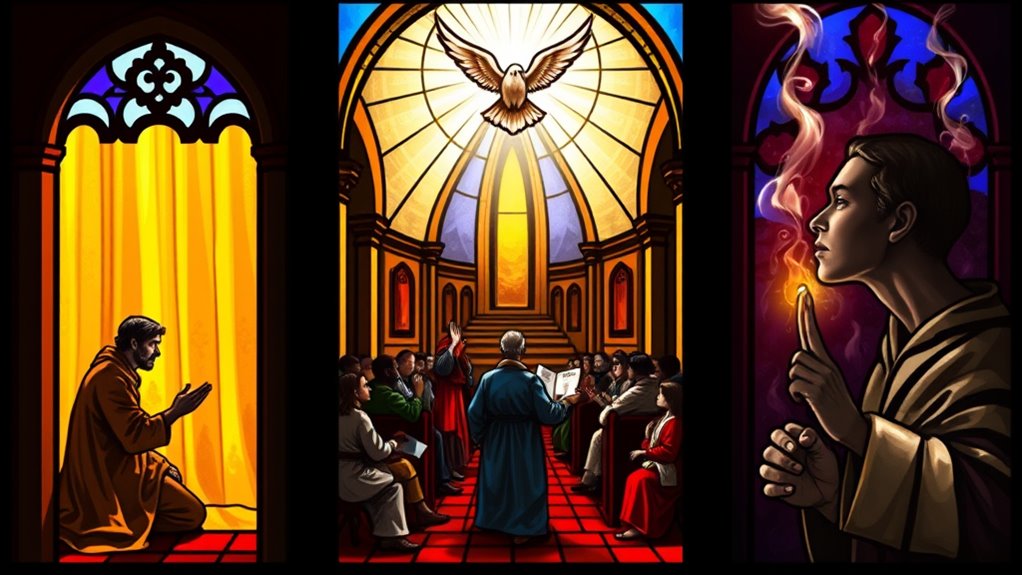
According to Paul’s instructions in 1 Corinthians 14, the practice of praying in tongues follows different guidelines depending on whether a believer prays alone or within a congregational setting. In private prayer, believers may speak in tongues freely for self-edification, as Paul notes in verse 4 that “he who speaks in a tongue edifies himself.” No interpreter is required since the prayer occurs between the individual and God.
However, public use requires stricter order: only two or three may speak, one at a time, and an interpreter must be present to translate for the congregation’s benefit. Without an interpreter, verse 28 instructs the speaker to “keep silent in the church and speak to himself and to God.” Paul concludes by commanding believers not to forbid speaking in tongues. The Bible as a whole contains 31,102 verses, which helps explain how specific rules like these are located within the larger scriptural structure (see total verse count).