


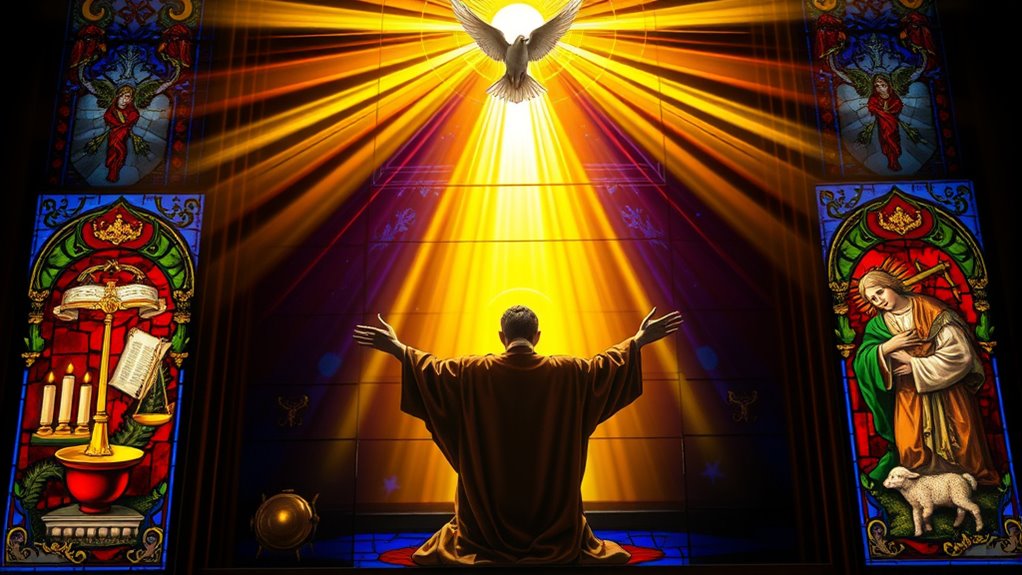
The Bible addresses tattooing directly in Leviticus 19:28, which prohibits cutting the body or placing permanent marks on the skin, closing with “I am the Lord” to ground the command in covenant fidelity. Translations vary, ranging from “print any marks” in the KJV to “tattoo yourselves” in the ESV, though every version preserves the same basic prohibition. Whether that command still applies to Christians depends on how the Old Testament law relates to the New Covenant, a question worth exploring further.
Key Takeaways
- Leviticus 19:28 is the primary verse addressing tattoos, prohibiting permanent marks on the skin within a covenant faithfulness context.
- Different Bible translations render the prohibition as “print any marks” or “tattoo yourselves,” but all preserve the same basic command.
- The prohibition in Leviticus 19:28 was connected to pagan mourning practices, not simply a rule against personal decoration.
- Jesus fulfilled the Old Testament Law, and Hebrews 8 describes the Mosaic covenant as obsolete, replaced by a new covenant.
- Christians weighing tattoos should consider motivation, design content, body stewardship, relational impact, and the permanence of the decision.
What the Bible’s Only Tattoo Verse Actually Says

When people debate what the Bible says about tattoos, the conversation almost always comes back to a single verse: Leviticus 19:28. The verse contains two connected commands: avoid cutting the body for the dead, and avoid placing permanent marks on the skin. Ancient Near Eastern practices help explain why such prohibitions were given and how they relate to communal identity and mourning rituals. Different translations word it differently. The King James Version uses “print any marks upon you,” while the ESV reads “tattoo yourselves.” Some translations say “tattoo marks,” others stay closer to the Hebrew phrasing. Despite the varied wording, every version preserves the same basic prohibition. The verse closes with “I am the Lord,” grounding the command in covenant loyalty rather than personal style preference. For readers seeking clarity, that context matters. The verse is not a standalone fashion rule but a statement about identity and faithfulness. Several translations, including the AMP and NRSVA, frame the cutting prohibition specifically as a practice connected to mourning the dead. Cross-references for this verse point to 1 Kings 18:28 and Jeremiah 16:6, two passages that provide additional biblical context for the kinds of body-cutting practices this command addresses.
What the New Testament Actually Says About Old Testament Law

Any serious look at Leviticus 19:28 eventually runs into a larger question: does the Old covenant law still apply to Christians at all? The New covenant offers a careful answer. In Matthew 5:17, Jesus states he came not to abolish the Law but to fulfill it. Paul adds another layer in Galatians and Romans, arguing that the law reveals sin but does not provide salvation. Hebrews 8 describes the Mosaic covenant as becoming obsolete, replaced by a new covenant. The doctrine of the Trinity helps explain how Jesus can both fulfill the Law and be fully divine, since he is the eternal Son who shares one divine essence with the Father and Spirit shared divine essence.
Scholars commonly observe that the New covenant distinguishes enduring moral obligations from ceremonial markers tied specifically to Israel’s national identity. Commands governing sexual ethics, honesty, and neighbor-love carry forward. Ritual boundary markers, such as food laws and circumcision, do not carry the same weight for believers living under the new covenant. Some scholars apply a dialectical approach to Matthew 5:17, weighing statements that support strict continued obedience to the law against those that point toward its fulfillment and completion in Christ.
Jesus fulfills the law not merely as a teacher but through his complete obedience, sacrificial death, and resurrection, meaning all of Scripture’s promises find their yes and amen in him.
What Christians Should Actually Consider Before Getting a Tattoo
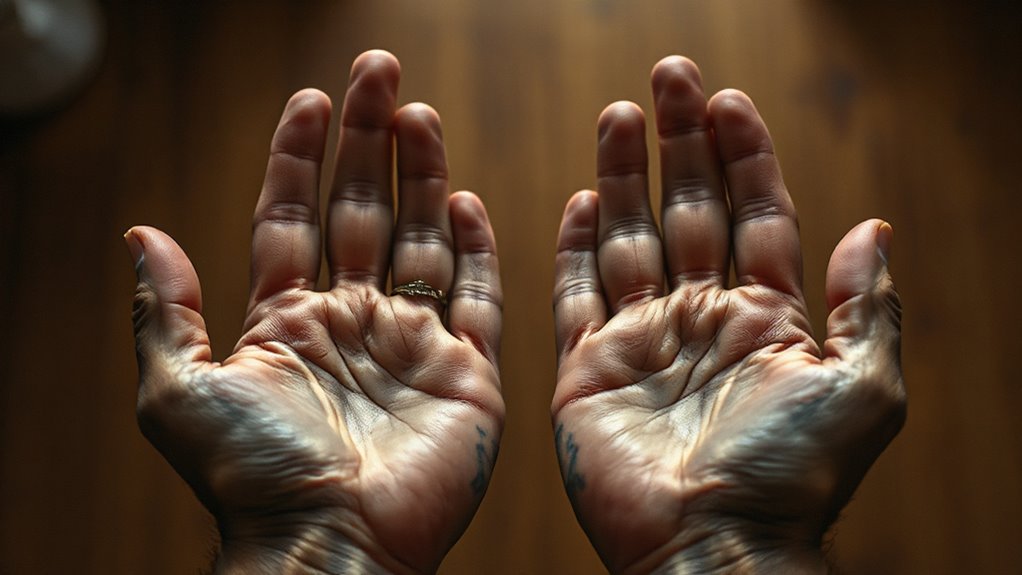
Settling the question of which laws apply to Christians does not automatically settle the question of whether a specific Christian should get a tattoo.
Several practical areas still require honest reflection.
Even after settling the theological question, the personal decision still demands careful, honest reflection.
Motivation matters first — whether the decision comes from faith and personal conviction or from impulse, peer pressure, or rebellion.
The content of the design carries weight, since imagery tied to occult themes, hatred, or sexual exploitation conflicts with Christian identity.
Body stewardship raises questions about studio hygiene, healing risks, and long-term regret.
Relationships also factor in, including how family, fellow believers, and ministry contexts might respond.
Finally, permanence demands patience.
A decision that aligns with someone’s values today should be tested against where that person expects to be years from now.
Tattoos and body piercings have functioned across history as symbols of ownership, devotion, and identification, meaning the deity or master represented by a design shapes its moral significance for the Christian considering it.
Even if a Christian tattoo is considered permissible, Scripture still presses the deeper question of whether it is beneficial and constructive for the individual pursuing it.
Catholics and other Christians may weigh sacramental, doctrinal, and communal teachings differently when deciding, since Catholicism and Protestantism approach authority and practices — including bodily expressions of faith — from distinct perspectives like Sacred Tradition.