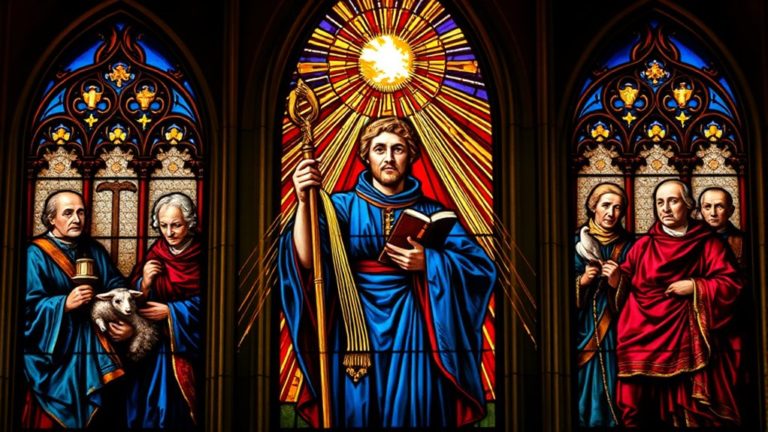








The Bible treats widow care as a core part of Christian responsibility. God is called a defender of widows, and Scripture commands his people to protect them, provide for them and visit them in distress. Many Bible verses address widows, and stories like Ruth, Anna and the widow of Nain show these principles at work.
Key Takeaways
- God is described as a defender of widows, which shows his active protection over them.
- Scripture warns strictly against mistreating widows or perverting their justice.
- Families are expected to support widowed relatives first, and the church steps in where no family exists.
- Biblical widow stories show God’s compassion and provision in real lives.
How God Sees and Defends Widows in Scripture

Throughout Scripture, widows appear as a distinct and recognized group, mentioned in roughly 80 to 103 separate passages. God does not treat their situation casually. Scripture often groups widows with the fatherless and strangers, people who faced isolation and limited family support.
Psalm 68:5 describes God specifically as a defender of widows, a title that carries active, protective weight rather than passive sympathy.
A father of the fatherless, and a defender of the widows, is God in his holy habitation.
Psalms 68:5 (WEB)
God also promises to hear widows when they cry out under oppression. Exodus 22:24 warns that those who afflict widows face God’s wrath and death, leaving their own wives widowed and children fatherless. Jeremiah 49:11 invites widows to place their trust directly in him.
Jesus showed this same heart. He displayed compassion toward widows in his earthly ministry by restoring a widow’s son to life in the city of Nain. Taken together, these passages present a consistent picture: God sees widows clearly, takes their circumstances seriously and acts as their reliable defender.
What the Bible Commands Us to Do for Widows

Scripture does not leave the care of widows to personal preference or cultural custom. It issues specific commands covering financial support, family duty, legal protection and personal presence.
Exodus 22:22–23 forbids mistreating widows and warns that God hears their cries. Deuteronomy 27:19 pronounces a curse on anyone who perverts justice against them. Isaiah 1:17 calls people to actively plead the widow’s cause.
“You shall not take advantage of any widow or fatherless child. If you take advantage of them at all, and they cry at all to me, I will surely hear their cry;
Exodus 22:22-23 (WEB)
The law also made provision a regular practice. Deuteronomy 14:28–29 required Israelites to set aside extra provision for widows within the community.
In the New Testament, 1 Timothy 5:3–4 directs families to support widowed relatives first, so the church is not burdened unnecessarily. Where no family exists, 1 Timothy 5:16 instructs the church to provide aid directly. Widows receiving church support were to be at least sixty years old and known for good works, including raising children, showing hospitality and helping those in trouble (1 Timothy 5:9–10).
James 1:27 defines genuine religion as visiting widows in distress. In practice, that can include meals, transportation, home assistance and prayer.
Pure religion and undefiled before our God and Father is this: to visit the fatherless and widows in their affliction, and to keep oneself unstained by the world.
James 1:27 (WEB)
Widows in the Bible Whose Stories Illustrate These Truths

The Bible does not leave its teaching about widows in the realm of abstract command. It anchors that teaching in real lives.
Ruth, a Moabite widow, left her homeland and followed Naomi to Israel, eventually finding protection through Boaz. The widow of Zarephath trusted Elijah during famine and shared her last resources with him. Anna, widowed after seven years of marriage, remained in the temple praying and fasting until she recognized the infant Jesus. Dorcas in Acts 9:36 was remembered by her community for her charitable works.
The persistent widow in Luke 18 kept seeking justice until she received it. The widow of Nain lost her only son, and Jesus stopped the funeral procession out of compassion and raised him from the dead.
The poor widow at the temple gave only two small copper coins, yet Jesus declared that her offering exceeded all others because she gave all she had to live on.
He said, “Truly I tell you, this poor widow put in more than all of them, for all these put in gifts for God from their abundance, but she, out of her poverty, put in all that she had to live on.”
Luke 21:3-4 (WEB)
Common Questions About Widows in the Bible
Who is responsible for a widow’s care?
According to 1 Timothy 5:3–4, her own family is responsible first. Where no family exists, the church provides aid, as 1 Timothy 5:16 instructs.
Does God hear widows who are being oppressed?
Yes. Exodus 22:22–23 says God hears their cries, and Scripture presents him as their defender.
Putting Widow Care Into Practice
The biblical pattern is both practical and personal: provide, protect and be present. A simple first step is to ask a widow you know what she needs, whether a meal, a ride or a visit, and then follow through.