
The Bible introduces the Sabbath in Genesis 2:2-3, where God rests on the seventh day, blesses it, and makes it holy. Exodus 20:8-11 later formalizes this pattern into one of the Ten Commandments. The Old Testament treats Sabbath as a covenant marker for Israel, with serious penalties for violations. Jesus reframes it in the New Testament as a gift for humanity, claiming authority over its meaning. More on each layer follows below.
Key Takeaways
- The Sabbath originates in Genesis, where God rested on the seventh day and blessed and sanctified it after six days of creation.
- The Fourth Commandment in Exodus 20 formalizes the Sabbath, commanding Israel to keep it holy as a memorial of creation.
- God established the Sabbath as a permanent covenant sign in Exodus 31, identifying Israel as His set-apart people across generations.
- Sabbath observance required complete rest from labor for all people, animals, and residents, with violations carrying severe penalties.
- Jesus affirmed the Sabbath as a gift for humanity, claiming authority over it, while New Testament writings shift toward spiritual rest in Christ.
Where the Sabbath Began: Creation and the Ten Commandments

The Sabbath does not begin with a law handed down to a nation—it begins at the start of time itself. Genesis 2:2-3 records that after six days of creation, God rested on the seventh day, blessed it, and made it holy. These three actions—rest, blessing, and holiness—form the earliest biblical foundation for Sabbath theology. Many beginners find it helpful to start with the Gospels and foundational passages when exploring such themes, so consider reading these creation texts alongside Gospel introductions to grasp the broader biblical narrative reading the Gospels.
The day was set apart before any nation existed, connecting it to creation rather than to Israelite history alone. Centuries later, Exodus 20:8-11 formalized this pattern into a commandment within the Ten Commandments.
The instruction to “remember the Sabbath day, to keep it holy” points directly back to Genesis, grounding the command in God’s own creative example. Scripture presents the Sabbath as a memorial of creation, reaffirmed as moral obligation. Genesis 2:1 affirms that the heavens and earth were completed in all their vast array before this sacred rest was established.
The Sabbath is referenced 111 times across 89 verses throughout the Hebrew Bible, reflecting how consistently Scripture returns to this theme as a cornerstone of biblical teaching.
What the Old Testament Says About Sabbath Observance
Beyond its origins in creation, the Sabbath takes on a formal covenant role in the Old covenant, where it functions as a binding sign between God and Israel.
Exodus 31 describes it as a permanent covenant marker, identifying Israel as a people set apart and sanctified by God.
The Sabbath was more than a day of rest — it was a covenant marker, branding Israel as God’s own.
Violating the Sabbath was treated seriously, carrying the death penalty or being “cut off” from the community, signaling that this was a covenant breach, not a minor infraction.
The Sabbath also carried active worship requirements. God declared it a sign from generation to generation, so that Israel would know He is the Lord who makes them holy.
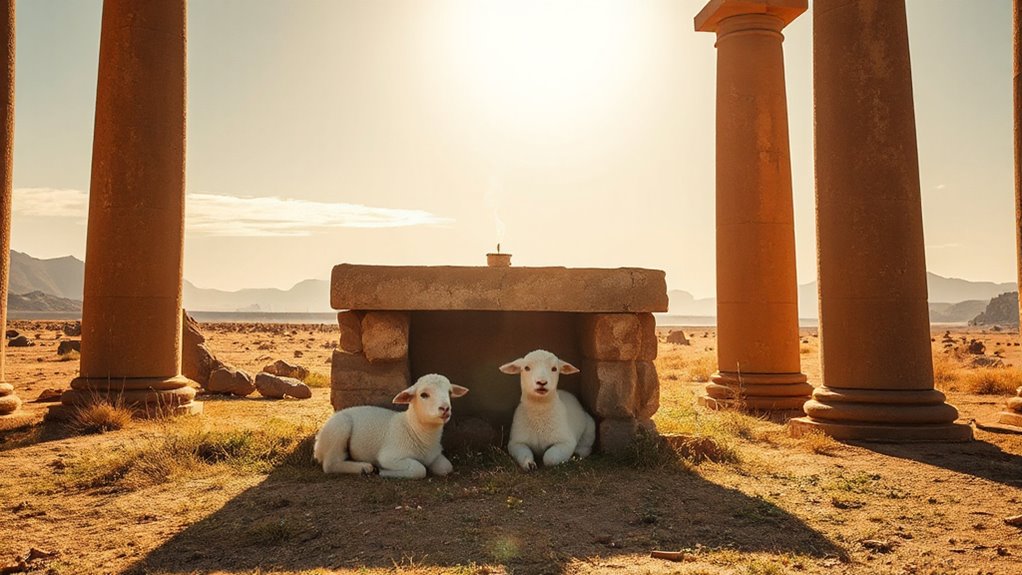
Numbers 28 prescribes special offerings on that day, including two unblemished male lambs, fine flour mixed with oil, and a drink offering. The observance tied to these offerings reflects practices recorded in the Septuagint tradition and later biblical canons.
Sabbath observance, consequently, combined rest with temple worship, connecting sacred time to Israel’s ongoing relationship with God. These Sabbath burnt offerings were presented beside the continual burnt offering, which was already performed each morning and evening as a daily requirement.
Specific Sabbath Rules: What Work Was Actually Forbidden?

At its core, Sabbath observance required a full stop from ordinary labor, extending not just to the individual but to household members, servants, animals, and any guests residing within the community.
Biblical texts name specific prohibited activities, including kindling fire, plowing, reaping, and even collecting food.
The wilderness account of manna established early that food gathering counted as forbidden work.
Later, rabbinic tradition organized these restrictions into 39 categories of *melachah*, meaning creative or productive work, rather than any physically demanding action. The Old Testament contains approximately 23,145 verses which provide much of the textual basis for these rules.
These categories, traditionally linked to labor performed during Tabernacle construction, covered agriculture, textile production, building, and transporting objects between domains.
Importantly, the system distinguished meaningful productive effort from simple movement, creating a structured framework rather than a blanket prohibition on all activity.
Within the agricultural categories, sorting and purification rules prohibited removing undesirable elements from a mixture, a practice known as borer, which extended to everyday actions such as picking small bones from fish before eating.
For those seeking to explore these biblical passages directly, it is worth noting that Bible Gateway access is currently unavailable for users in the UK and EU regions.
What Jesus and the New Testament Teach About the Sabbath
When Jesus encountered the Sabbath, he neither dismantled it nor left it unchanged. He attended synagogue regularly, taught on the Sabbath, and healed on it, defending each act as lawful good.
His statement that “the Sabbath was made for man, not man for the Sabbath” reframed the day as a gift rather than a burden. By calling himself “Lord of the Sabbath,” he claimed authority over its meaning, not its abolition.
These actions repeatedly put him in conflict with religious leaders over interpretation. Some Jewish leaders had added unnecessary rules that obscured the Sabbath’s true purpose.
The Sabbath controversies Jesus entered were not abstract debates — religious authorities had developed 39 principal classes of prohibited actions, along with several hundred additional restrictions governing ordinary life. Early Christians used reading plans and consistent study to understand these debates and their implications for practice.
The book of Acts shows Paul continuing to teach in synagogues on the Sabbath as a missionary strategy. Later New Testament texts, including Hebrews 4 and Colossians 2:16, gradually shift emphasis toward spiritual rest and freedom in Christ.