



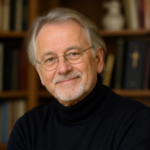

Dr. Luigi Carbone is the Vatican physician who leads Vatican health services and coordinates the personal medical care of Pope Leo XIV. Appointed Director of the Directorate of Health and Hygiene of Vatican City State on August 1, 2025, he is an emergency-medicine specialist who has worked in the Vatican system since 2000 and travels with the Pope on apostolic journeys.
Key Takeaways
- Carbone organizes the papal care team rather than acting only as a treating doctor.
- His background is in emergency medicine, resuscitation and internal medicine, with years at Policlinico Gemelli.
- He works alongside nurse Massimiliano Strappetti and surgeon Stefano Margaritora, within the Gemelli network.
- His directorate also serves Vatican employees and residents, not only the Pope.
Who Is Dr. Luigi Carbone, Pope Leo XIV’s Personal Physician?
When Pope Leo XIV required medical attention, one name consistently appeared in Vatican health updates: Dr. Luigi Carbone. Before his appointment as director, he served as deputy director within the same office. A physician with roots in emergency medicine, resuscitation and internal medicine, he combines clinical expertise with health-system leadership.
He succeeds Professor Andrea Arcangeli, who had served as Director since August 1, 2020. Carbone also accompanies the Pope on apostolic travels, with a medical case for emergencies and a pair of nurses who ensure continuous monitoring and readiness to intervene.
How Carbone Went From Emergency Medicine to the Vatican’s Top Health Role
Carbone built his foundation in emergency medicine. He trained in A&E and urgent-care decision-making, then worked at Policlinico Gemelli, where high-pressure cases sharpened his clinical instincts. From 2022, he led the Emergency Department and Internal Medicine unit at Ospedale Isola Tiberina–Gemelli Isola, blending frontline care with hospital administration.
His Vatican connection began in 2000, when he joined reanimation services. He rose to deputy director before Pope Leo XIV appointed him director. Before that, he served as medical reference for Papa Francesco, which shows the trust successive pontiffs have placed in his judgment.
How Carbone Coordinates Pope Leo XIV’s Day-to-Day Medical Care
As the Vatican’s top health official, Carbone is the central organizer of the Pope’s medical care rather than simply a treating physician. He coordinates doctors, nurses and specialists, directing decisions across routine follow-up, recovery monitoring and necessary interventions. He balances the Pope’s health needs against a demanding ministry schedule and adjusts care plans as clinical needs evolve.
When care extends to Gemelli Hospital or other outside facilities, he maintains collaboration between Vatican staff and external consultants. During treatment episodes, he co-signs medical bulletins alongside specialists, keeping communication structured and consistent. His work reflects the tradition of the archiatra pontificio, the historic title once given to the Pope’s personal physician.
On international apostolic journeys, he ensures medical oversight and emergency response are in place. Nursing personnel and medical equipment on the papal aircraft support him in handling potential emergencies. The Bible frames such work as compassion and service toward others.
Bear one another’s burdens, and so fulfill the law of Christ.
Galatians 6:2 (WEB)
The verse describes care for others as a shared responsibility, which fits the collaborative nature of a papal care team.
Massimiliano Strappetti, the Gemelli Network, and the Team Around Carbone
Carbone leads the team, but he does not work alone. Massimiliano Strappetti, a veteran nurse who has served John Paul II, Benedict XVI and Francis, handles day-to-day nursing care and recovery monitoring. Both men trained within the Gemelli network in Rome, which serves as the bridge between Vatican health services and outside specialists.
Surgeon Stefano Margaritora also takes part in the care. He is head of thoracic surgery at Policlinico Gemelli, where the lung nodule removal procedure was performed.
Together, they form a mixed Vatican-and-hospital unit that combines emergency medicine, surgical expertise and nursing continuity. Carbone organizes the group while Strappetti maintains close contact with the patient throughout convalescence. Carbone also oversees healthcare and hygiene at the Vatican Governorate.
How Carbone’s Vatican Role Extends to Every Employee and Resident
Carbone’s responsibilities reach well beyond the papal bedside. As director of the Directorate of Health and Hygiene, his mandate covers the entire Vatican City State community. That includes:
- Daily medical care for Vatican employees across all departments
- Residential health services for those living within Vatican City
- 24-hour medical presence maintained throughout the state’s facilities
- Care coordination linking papal residences to broader Vatican-linked sites
Italian reporting has noted that calling Carbone simply “the pope’s doctor” understates the role considerably. His office functions as Vatican City’s internal medical backbone, shaping how thousands access routine and urgent care. The Directorate also operates medical facilities and diagnostic equipment for specialized examinations and coordinated care.
This broad care mission mirrors the Church’s emphasis on dignity and healing, as when Pope Leo XIV met with sick and disabled residents and reminded them that you are home.
Common Questions About the Papal Care Team
Is Carbone the first doctor to hold this kind of role?
No. He succeeded Professor Andrea Arcangeli, who directed the office from 2020, and he earlier served as a medical reference for Pope Francis. His work also echoes the historic title of archiatra pontificio.
Who else looks after the Pope’s health?
Nurse Massimiliano Strappetti provides day-to-day nursing and recovery monitoring. Surgeon Stefano Margaritora of Policlinico Gemelli is part of the wider team, which draws on the Gemelli network.
Why the People Behind Papal Care Matter
Carbone’s story shows that care for one public figure rests on a coordinated team and on a health service that also looks after ordinary Vatican staff and residents. It is a useful reminder that quiet, steady service often stands behind visible leadership.