
The Bible does not call dancing a sin. Ecclesiastes 3:4 acknowledges “a time to dance,” and Psalms 149:3 and 150:4 name dancing as part of genuine worship. Scripture also records Miriam, David, and others dancing before God with reverence and joy. However, dancing connected to lust, idolatry, or drunkenness is treated as sinful. Intent, setting, and effect determine whether dancing honors God or leads others toward harm—a distinction worth exploring further.
Key Takeaways
- The Bible never universally condemns dancing; Ecclesiastes 3:4 acknowledges there is “a time to dance.”
- Scripture praises dancing as worship in Psalms 149:3 and 150:4, listing it alongside instruments in corporate praise.
- Dancing becomes sinful when it arouses lust, promotes idolatry, encourages drunkenness, or causes others to stumble.
- First Corinthians 10:31 provides a key test: does the dancing glorify God?
- Intent, setting, and effect determine whether dancing is God-honoring, not the physical movement alone.
Does the Bible Call Dancing a Sin?
When people ask whether the Bible calls dancing a sin, the short answer is no — not categorically. Scripture contains both positive and negative references to dancing, meaning context shapes how each instance is understood.
No universal prohibition appears anywhere in the biblical text. Ecclesiastes 3:4 even acknowledges “a time to dance,” suggesting the act itself carries no automatic moral weight. Many theologians note that biblical portrayals use symbolic and contextual descriptions rather than literal rules, reflecting God’s transcendent nature.
Christian interpreters generally describe dancing as morally neutral on its own. What matters, according to this framework, is the setting, the intent behind the movement, and the effect it produces on others.
The Bible, as commonly presented by Christian teachers, offers specific examples rather than a blanket rule, leaving evaluation dependent on circumstances rather than the act itself. Sinful associations appear in contexts involving golden calf worship and seductive entertainment, while joyful celebration and praise account for many other instances.
Positive examples include Miriam and the Israelite women dancing with timbrels to celebrate the Lord’s deliverance following the exodus from Egypt, demonstrating that dance can serve as a sincere expression of gratitude and worship.
Where the Bible Praises Dancing as Worship
The Bible includes several passages that treat dancing not as a social activity but as a form of worship directed toward God. Psalms 149:3 and 150:4 both name dancing alongside instruments like cymbals, flutes, and strings as part of corporate praise. The Old Testament alone contains roughly 23,145 verses, showing the extensive context in which dance appears across Israel’s scriptures.
Exodus 15:20–21 records Miriam leading women in dance following Israel’s deliverance at the Red Sea, placing movement within a communal response to God’s saving act.
Miriam led women in dance at the Red Sea, embodying communal worship in response to God’s deliverance.
David danced before the ark of the LORD in 2 Samuel 6:14, presenting physical movement as an expression of reverence and joy.
Jeremiah 31:13 and Psalm 30:11 connect dance with mourning transformed into gladness.
Across these texts, dance appears consistently as a recognized expression of gratitude, celebration, and whole-body engagement in worship. Psalm 149:3–4 further affirms that God takes pleasure in His people when they praise His name with dancing, and that He beautifies the humble with salvation.
Paul’s instruction in 1 Corinthians 14:40 that everything be done in a fitting and orderly way provides a broader principle for how worship expressions, including dance, should be conducted within the gathered church.
When Is Dancing Considered Sinful in Scripture?
Alongside its praise of dance as worship, Scripture also identifies conditions under which dancing becomes sinful. Biblical sources point to five recurring concerns.
First, dance that stirs lustful desire is treated as sexual immorality. Second, dance connected to false worship or idolatry is condemned because the object of worship is wrong, not the movement itself.
Third, dance tied to drunkenness or rowdy carousal conflicts with New Testament warnings against revelry and lost self-control. Fourth, dance that causes another person to stumble into sin carries moral responsibility, regardless of the performer’s intent.
Fifth, dance motivated by vanity or sensual self-display reflects impure motives incompatible with godly conduct. Across these cases, Scripture’s concern centers on context, intent, and effect rather than movement alone. Discernment is required to distinguish between dance that honors God and dance that leads toward unrighteous excess.
The bodies of believers are described as temples of the Holy Spirit, meaning that how one dances carries spiritual weight beyond personal preference or cultural custom. The Trinity’s unity and distinct persons, as affirmed in historic creeds, remind believers to evaluate worship practices in light of divine essence and orthodox doctrine.
What Makes a Dance God-Honoring or Sinful?
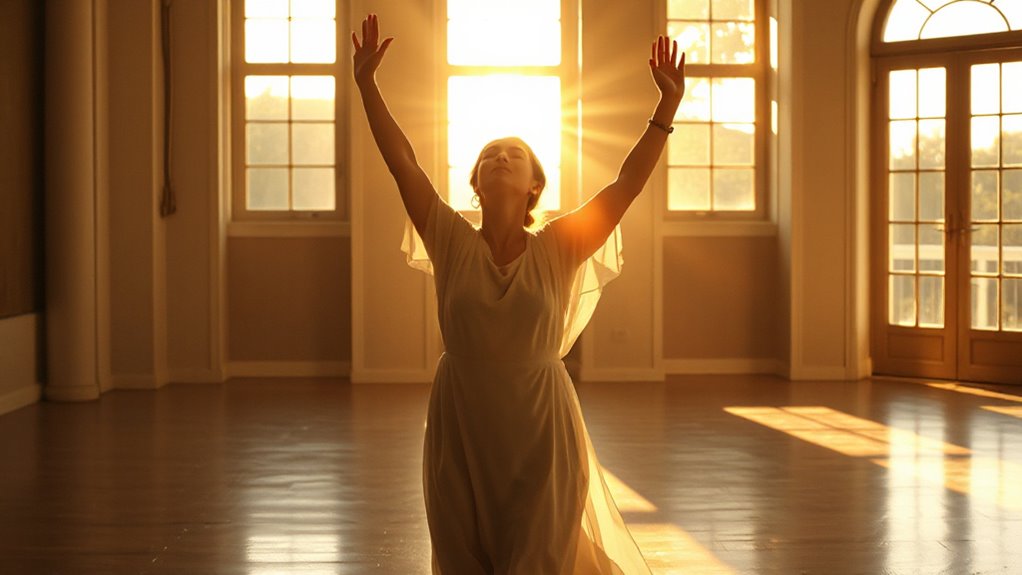
How a dance is judged in Scripture depends less on its style and more on its purpose, context, and effect. The Bible does not categorize specific dance forms as inherently sinful. Instead, it applies broader tests.
First Corinthians 10:31 asks whether an action glorifies God. First Corinthians 6:19–20 reminds believers that the body belongs to God and deserves honorable treatment. Matthew 18:6 adds that causing another person to stumble carries serious moral weight.
A dance becomes God-honoring when it reflects worship, modesty, and genuine joy before God rather than self-display or sensual provocation. It becomes sinful when it arouses lust, encourages impurity, or leads others toward temptation. The Old Testament was primarily written in Hebrew, which shapes how worship practices like dance are described.
Style alone does not determine spiritual fitness; intent, setting, and effect shape the final judgment. Galatians 5:19–21 lists lasciviousness among sins that prevent inheriting the kingdom of God, a warning that directly applies to bodily movement intended to arouse or entice.
Philippians 4:8 instructs believers to direct their thoughts toward whatever is true, honest, just, pure, lovely, and virtuous, a standard that applies equally to the music chosen for dancing and the movements it inspires.