




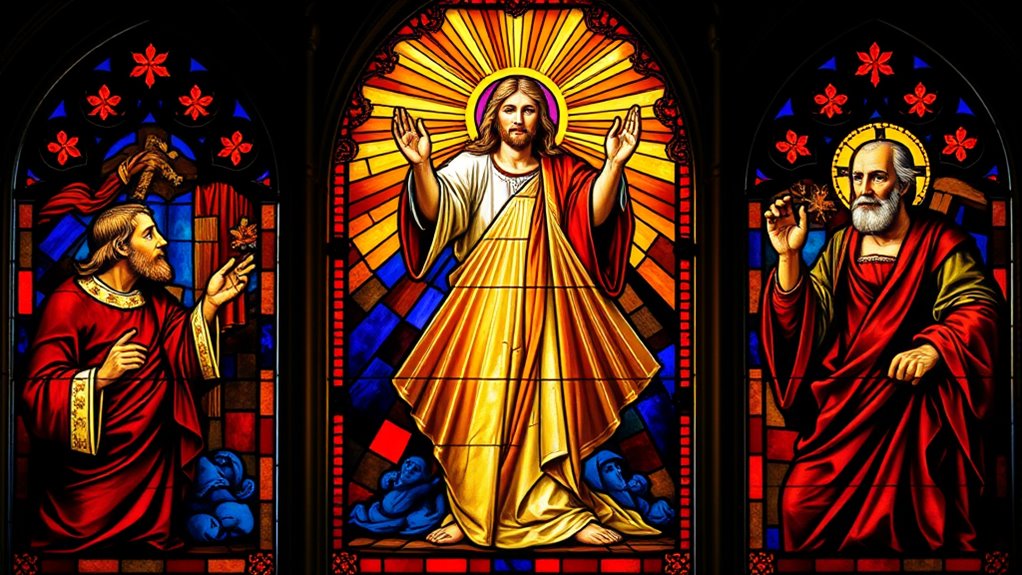
The Bible describes repentance as a fundamental reorientation of mind and life, turning from sin toward God. The Greek term *metanoia* means “change of mind,” marking a 180-degree shift from embracing sin to rejecting it. Old Testament prophets called Israel to return to the Lord with confession and forsaken idols, while Jesus made repentance central to his ministry, declaring “Repent, for the kingdom of heaven is at hand” (Matthew 4:17). Scripture presents repentance and faith as inseparable twin gateways to salvation, both commanded by God and given as divine gifts through the Holy Spirit. The following sections explore how this transformation unfolds throughout biblical history and teaching.
Key Takeaways
- Repentance means a fundamental change of mind, turning 180 degrees from embracing sin to rejecting it and trusting Christ.
- Old Testament prophets called Israel to return to God by confessing guilt, forsaking idols, and abandoning wicked ways.
- Jesus made repentance central to His ministry, declaring it necessary to enter God’s kingdom and avoid perishing.
- Repentance and faith are inseparable: repentance turns from sin while faith turns to Jesus as Savior for reconciliation.
- God both commands all people to repent and graciously grants repentance as a gift through the Holy Spirit.
What Repentance Means: Turning From Sin to God

The biblical concept of repentance centers on the Greek word *metanoia*, which translates to “change of mind” and signals a fundamental reorientation of one’s entire outlook.
Repentance means metanoia—a complete change of mind that reorients your entire way of thinking and living.
This transformation involves a 180-degree turn in both thinking and living, moving from embracing sin to rejecting it.
Scripture presents repentance as inseparable from faith in Christ, marking the shift from unbelief to trust in the Savior.
The process demands acknowledgment that one has been wrong and God has been right.
True repentance produces what the Bible calls “godly grief,” which differs from mere worldly sorrow. This grief leads to salvation and naturally results in turning away from sin.
The Holy Spirit enables this change through conviction, making repentance both a divine gift and a commanded response to God’s call.
Archaeological and historical evidence also helps confirm the Bible’s reliability and the context in which repentance was taught, including references to Pontius Pilate and other first-century figures.
Old Testament Prophets on Repentance and Return

Throughout Israel’s history, the prophets served as God’s messengers calling the nation back from idolatry and rebellion. Hosea urged Israel to “return to the Lord” with words of confession, forsaking idols and trusting God’s compassion (Hosea 14:1-2).
Jeremiah emphasized acknowledging personal guilt and forsaking evil thoughts, promising restoration for those who turned from sin (Jeremiah 3:13, 18:11). Isaiah preached boldly that the wicked must forsake their ways and return to receive healing (Isaiah 55:7, 6:10).
The Hebrew word *shuwb*, meaning to physically turn from sin, appears throughout prophetic writings as equivalent to genuine repentance. While Judges depicted cycles of rebellion and temporary repentance, later prophets like Samuel and Hosea advanced beyond repetition, calling for lasting transformation evidenced by changed hearts and actions. The prophets’ calls often echoed earlier biblical themes connecting place and promise, such as Bethlehem’s role in messianic expectation and the Davidic line house of bread.
How Jesus Commanded Repentance in the Gospels

Jesus made repentance central to His public ministry from the very beginning, issuing a direct command that resonated throughout the Gospels. In Matthew 4:17, He began preaching, “Repent, for the kingdom of heaven is at hand,” echoing John the Baptist’s earlier call.
Mark 1:15 linked repentance with faith in the gospel, announcing kingdom rule through Jesus for salvation. In Luke 5:32, He clarified His purpose: “I have not come to call the righteous but sinners to repentance,” targeting those who recognized their sinfulness.
Luke 13:3-5 records His urgent warning: “Unless you repent, you will all likewise perish,” applied universally without exception. Matthew 12:41 invoked judgment, noting Nineveh’s response to Jonah demanded even greater repentance from His contemporaries. The events surrounding His death at Golgotha and burial near the Church of the Holy Sepulchre later became focal points for reflecting on the cost and meaning of repentance.
Why Repentance and Faith Lead to Salvation

When Scripture describes salvation, it consistently presents repentance and faith as the twin gateways through which sinners enter into reconciliation with God. Repentance represents the negative aspect of turning to Christ, involving a change of mind about sin and a recognition of God as the offended Creator. Faith represents the positive aspect, expressing trust in Jesus as Savior.
These two responses function as distinct yet inseparable elements of the same conversion experience. When genuine repentance occurs, faith inevitably follows, as the transformed mind naturally leads to trust in Christ. Jesus declared this necessity directly, stating that without repentance, spiritual death results. Peter’s Pentecost sermon reinforced this pattern, calling listeners to repent for the forgiveness of sins, demonstrating that these twin responses unseal God’s redemptive promises. The historic doctrine of the Trinity also underscores how repentance and faith relate to the persons of God, particularly the work of the Son (Jesus) in salvation.
How God Gives Repentance Through the Gospel

From the earliest moments of His public ministry, Jesus inaugurated His message with a call to repentance, linking it directly to the announcement that God’s kingdom had drawn near. This pattern continued through the apostles, who proclaimed repentance and forgiveness in Jesus’ name, as recorded in Luke 24:46-47. Peter commanded it at Pentecost, and Paul testified to repentance toward God alongside faith in Christ.
Scripture presents repentance as both divine command and precious gift. God commands all people everywhere to repent, according to Acts 17:30-31, yet 2 Timothy 2:25 identifies true repentance as a gift He grants. His kindness leads people to this turning, as Romans 2:4 explains. The gospel itself produces repentance by changing minds to agree with God about guilt and the sufficiency of Christ alone. The New Testament writings, composed between 45-100 AD, reflect this consistent emphasis on repentance across the early church.