




The Bible teaches that suffering serves redemptive purposes in believers’ lives rather than occurring randomly. Scripture shows trials produce endurance, which develops character and generates hope, according to Romans 5:3-5. James 1:2-4 presents difficulties as opportunities for growth and testing, while Hebrews 12:5-11 describes suffering as fatherly discipline intended for long-term spiritual benefit. The refining fire metaphor in Isaiah 48:10 illustrates how affliction purifies faith, and 1 Peter compares proven faith to gold tested by fire. The following sections examine specific biblical principles and examples that illuminate how God works through hardship.
Key Takeaways
- Suffering produces endurance, character, and hope, transforming believers through a redemptive process rather than being meaningless (Romans 5:3-5).
- Trials function as testing and refinement, like gold purified by fire, to develop spiritual maturity and steadfastness (James 1:2-4).
- God works all circumstances together for good, redirecting even evil intentions toward redemptive outcomes in believers’ lives (Romans 8:28).
- Suffering serves as fatherly discipline intended for long-term spiritual benefit and holiness rather than punishment (Hebrews 12:5-11).
- Weakness in trials allows Christ’s strength to rest on believers, demonstrating divine power through human frailty (2 Corinthians 12:9-10).
God’s Purposes for Allowing Suffering in Believers’ Lives

According to biblical teaching, suffering in the lives of believers serves multiple redemptive purposes rather than occurring randomly or meaninglessly. Romans 5:3-5 describes a progression where suffering produces endurance, which develops character, which generates hope anchored in God’s love.
Similarly, James 1:2-4 instructs believers to view trials as opportunities for growth, since testing produces perseverance leading to spiritual maturity.
Hebrews 12:5-11 presents suffering as fatherly discipline, treating believers as legitimate children who require correction for long-term benefit.
The account of Joseph in Genesis 50:19-20 illustrates how God redirects evil intentions toward good outcomes, as his brothers’ betrayal positioned him to save many lives during famine. Romans 8:28 affirms this principle, stating God works all circumstances together for good in believers’ lives.
Consistent engagement in foundational disciplines like daily Bible reading and prayer also helps believers interpret and grow through trials by fostering spiritual growth and perseverance.
How Suffering Refines Faith and Produces Christlikeness

Beyond identifying the purposes suffering serves, Scripture describes the actual process by which trials reshape a believer’s inner life.
Trials don’t merely test believers—they actively transform character through a divine process Scripture traces from weakness to perseverance to hope.
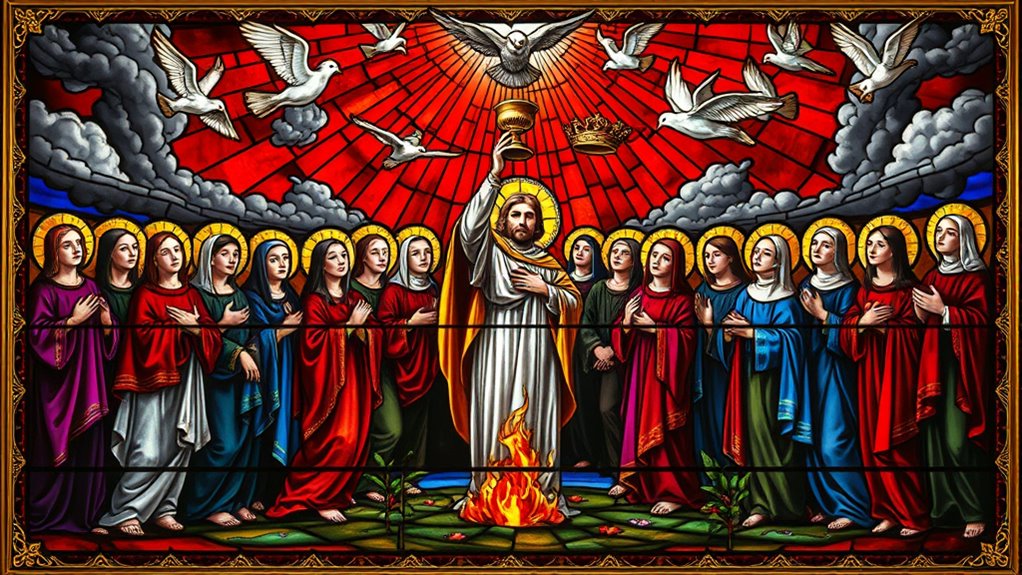
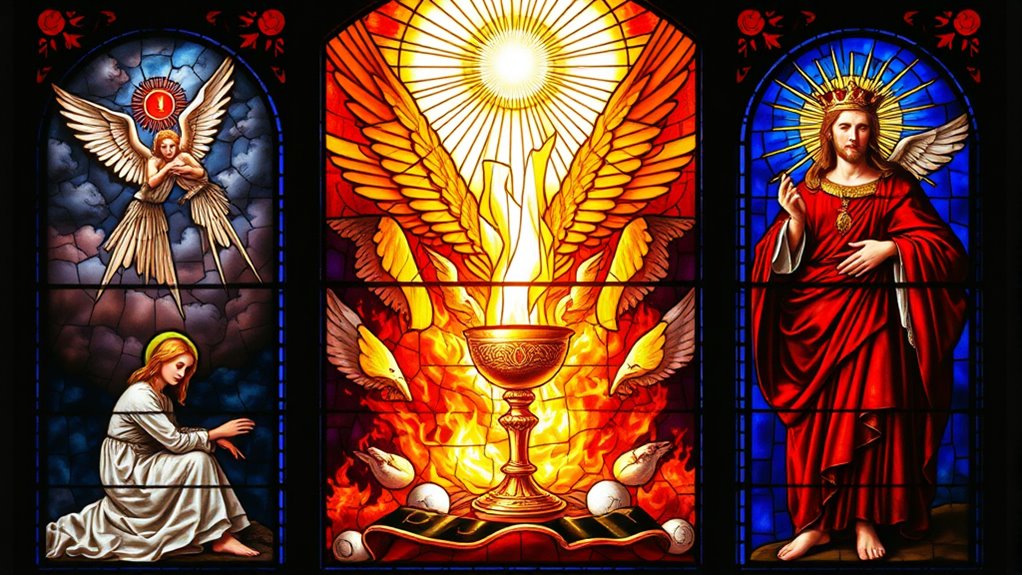
The Bible frequently employs the metaphor of refining fire, as seen in Isaiah 48:10, where God declares he has refined his people in affliction’s furnace. This fire removes impurities much like a metalworker purifies precious metals.
James 1:3 explains that testing produces steadfastness, while Romans 5:3-5 traces a progression: tribulation yields perseverance, perseverance builds character, and character generates hope.
Peter writes in his first letter that proven faith emerges more precious than gold tested by fire.
The apostle Paul found that his weakness allowed Christ’s strength to rest upon him, according to 2 Corinthians 12:9-10, demonstrating how limitations deepen dependence on divine power.
The historical witness of Scripture also rests on multiple human authors across centuries and languages, reflecting both eyewitness testimony and diverse cultural contexts multiple authors.