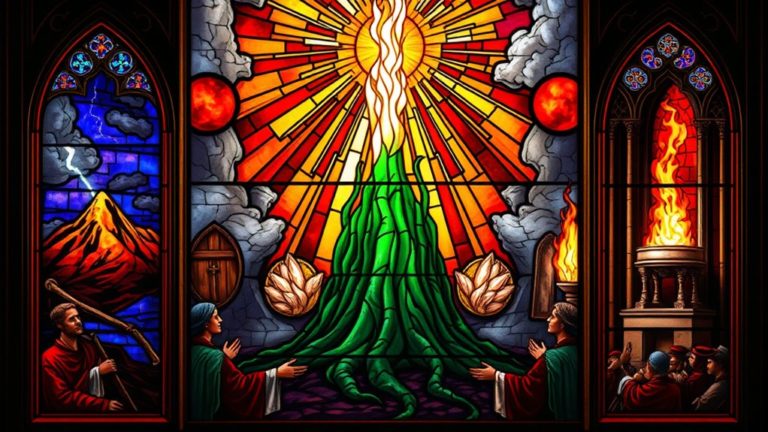






The Bible addresses addiction through promises of divine strength and transformation rather than condemnation. Philippians 4:13 affirms believers can face all challenges through Christ’s power, while 2 Corinthians 5:17 declares that in Christ, people become new creations with old patterns passing away. Matthew 11:28–29 invites the weary to find rest, and 1 Corinthians 10:13 guarantees God provides a way out of every temptation. Scripture integrates with recovery frameworks through steps including admitting powerlessness, turning to God’s care, conducting moral inventory, and making amends. The following sections outline specific promises and practical steps for lasting freedom.
Key Takeaways
- The Bible promises strength through Christ to overcome all challenges, including addiction (Philippians 4:13).
- Scripture declares freedom from bondage when the Son sets you free (John 8:36).
- God provides rest for the weary and burdened, offering relief from addiction’s heavy load (Matthew 11:28–29).
- Biblical recovery involves admitting powerlessness, turning to God, moral inventory, confession, and making amends.
- Believers become new creations in Christ, with old addictive patterns passing away (2 Corinthians 5:17).
God’s Promises for Breaking Free From Addiction

The biblical text offers numerous promises directed toward those struggling with addiction, presenting a framework of divine support that addresses both spiritual and practical dimensions of recovery.
Philippians 4:13 affirms that all things are possible through Christ who strengthens, while John 8:36 declares that freedom granted by the Son results in true freedom.
Isaiah 41:10 promises that God strengthens, helps, and upholds with his righteous right hand.
First Corinthians 10:13 guarantees no temptation beyond what is common, assuring that God provides a way out. This assurance reflects the biblical theme of one divine essence shared by the Father and the Son.
Second Corinthians 5:17 emphasizes that believers become new creations in Christ, with old patterns passing away.
Matthew 11:28–29 extends an invitation to all who are tired from carrying heavy loads, promising rest and relief from burdens.
Romans 5:3–5 reveals that suffering in recovery produces perseverance, which develops character and ultimately generates hope anchored in God’s love.
These passages collectively establish that divine assistance addresses the core challenges of addiction, offering both strength to resist and transformation to overcome.
Scriptural Steps to Walk Into Lasting Freedom

According to biblical principles integrated with established recovery frameworks, lasting freedom from addiction follows a structured path that begins with honest self-assessment and progresses through sustained spiritual transformation.
The process starts with admitting powerlessness over addiction and recognizing that lives have become unmanageable, as outlined in Psalm 50:15‘s call to God in trouble. Regular, honest prayer and quiet reflection help center the heart on God’s presence and guidance during this step, encouraging reliance on centering prayer.
James 5:16 emphasizes confession of sins to others and prayer for healing.
Subsequent steps involve believing God restores sanity, supported by 2 Corinthians 12:9’s assurance that God’s strength perfects weakness.
Philippians 4:13 affirms strength through Christ for all circumstances.
The journey continues with turning one’s will to God’s care, conducting fearless moral inventory, and maintaining readiness for God to remove character defects.
Making amends to harmed persons and continuing personal inventory sustain recovery progress.
James 1:2-4 teaches that trials develop perseverance, which must finish its work to achieve maturity and completeness in faith.
When obstacles arise during recovery, individuals are encouraged to contact trusted spiritual mentors who can provide guidance and support through challenging moments.