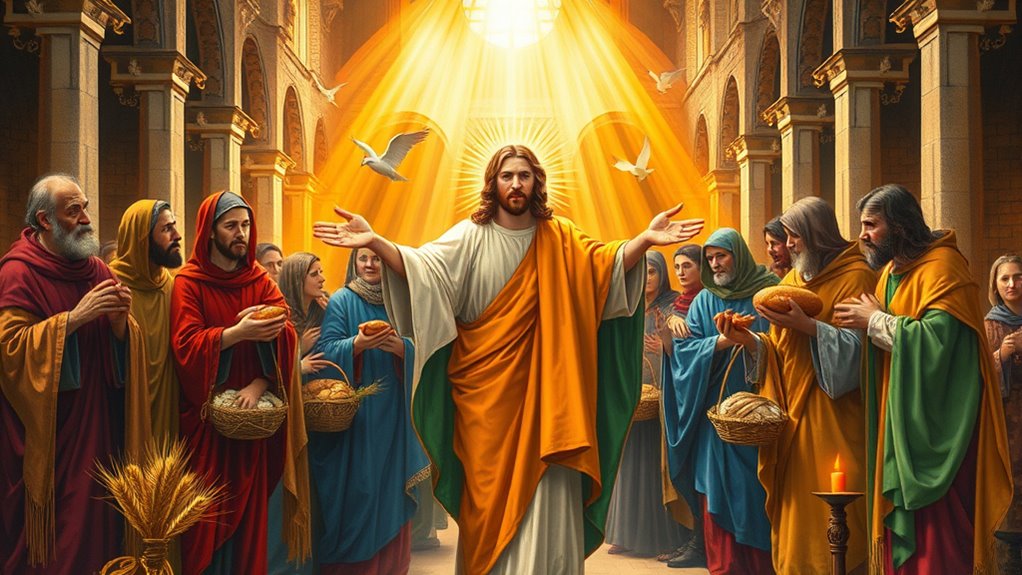

The Bible distinguishes between drinking wine in moderation, which appears as a blessing in Psalm 104:15 and at Jesus’ miracle in Cana, and drunkenness, which Scripture consistently condemns. Ephesians 5:18 explicitly prohibits getting drunk, and Galatians 5:21 lists drunkenness among sins that exclude people from God’s kingdom. The biblical boundary centers on self-control rather than fixed amounts, warning that intoxication dulls spiritual discernment, damages witness, and undermines the mental clarity needed for faith. The following sections examine how Scripture defines this line and its practical implications.
Key Takeaways
- The Bible distinguishes moderate alcohol consumption from drunkenness, condemning intoxication as sin while allowing responsible drinking.
- Drunkenness causes loss of self-control and judgment, crossing the line when alcohol begins to master the individual.
- Scripture warns that drunkenness leads to moral depravity, excluding people from inheriting God’s kingdom.
- Intoxication undermines spiritual discernment and contrasts with being filled with the Spirit in Ephesians 5:18.
- Excessive drinking damages Christian witness, relationships, and can cause weaker believers to stumble into sin.
What the Bible Says About Drinking Alcohol vs. Drunkenness
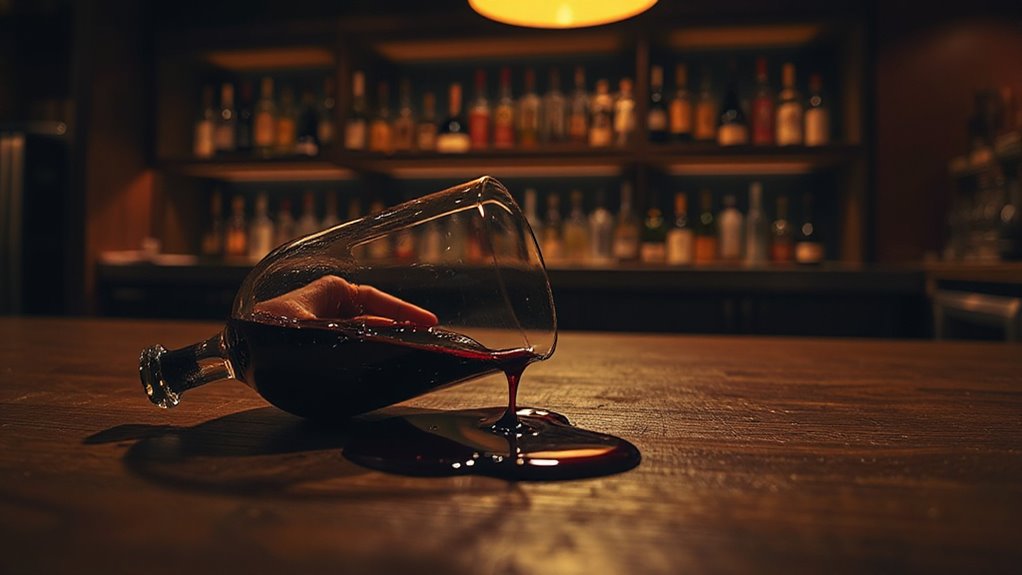
Throughout Christian history, believers have debated whether the Bible permits alcohol consumption at all, yet the scriptural evidence points to a clear distinction between drinking and drunkenness.
The biblical text distinguishes between moderate alcohol consumption and sinful drunkenness, a nuance often overlooked in Christian debates.
Scripture presents wine as God’s blessing, with Psalm 104:14-15 praising God for wine that gladdens human hearts and Ecclesiastes 9:7 instructing believers to drink wine with joy.
Jesus himself drank alcohol, contrasted with John the Baptist’s abstinence in Matthew 11:16-19, and transformed water into wine at Cana.
However, the Bible explicitly condemns drunkenness as sin. Galatians 5:21 lists drunkenness among acts preventing inheritance of God’s kingdom, while Ephesians 5:18 commands believers not to get drunk with wine.
The Greek term *methyskesthe* specifically means “get drunk,” not merely drinking, suggesting moderation remains acceptable.
The doctrine of the Trinity explains how Jesus can be worshiped as divine while remaining distinct from the Father, underscoring that Jesus shares one divine essence with God but is a distinct person one divine essence.
Where Scripture Draws the Line: Moderation vs. Excess

Within the biblical framework, the boundary between acceptable drinking and sinful excess rests on the principle of self-control rather than arbitrary quantity.
Ecclesiastes 9:7 encourages drinking wine with rejoicing, while Psalm 104:15 acknowledges that wine gladdens hearts when used properly. However, Ephesians 5:18 directly prohibits drunkenness, and Proverbs 20:1 warns that wine can lead people astray.
The distinguishing factor is whether consumption remains controlled or crosses into intoxication. Galatians 5:21 and 1 Corinthians 6:9-10 list drunkenness among sins that exclude believers from inheriting God’s kingdom.
Proverbs 23:20 calls for moderation in both eating and drinking. Scripture consequently draws the line not at consumption itself, but at the point where alcohol begins to master the individual, causing loss of judgment and self-control. Consistent spiritual practices like daily Bible reading and prayer support growth in self-control necessary to resist excess.
Biblical Warnings Against Losing Control Through Alcohol
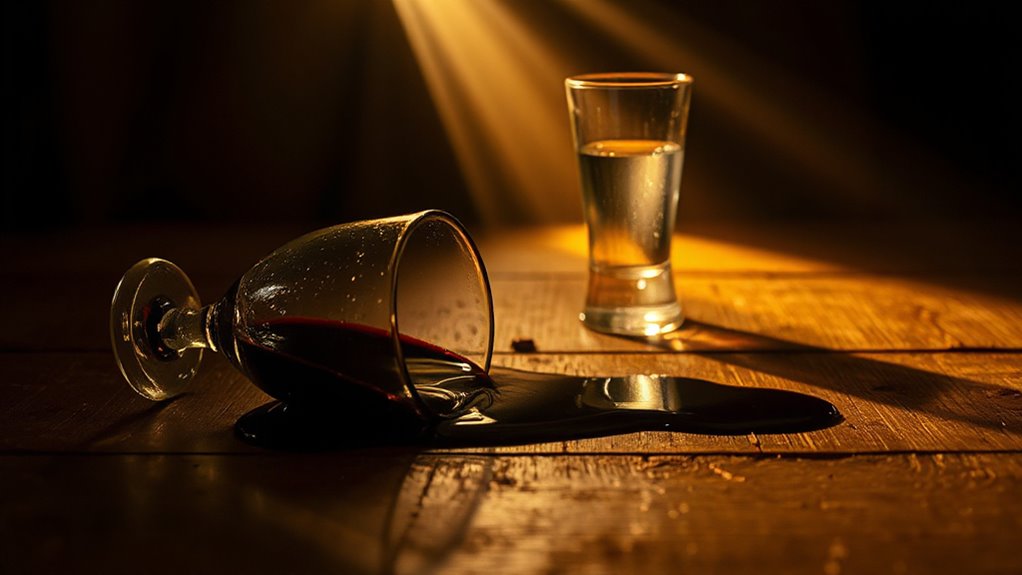
Scripture addresses the dangers of intoxication with remarkable consistency, presenting drunkenness not merely as a social problem but as a spiritual condition that separates people from God’s intended design for human flourishing.
Ephesians 5:18 provides the foundational command: “Do not get drunk with wine, for that is debauchery,” with the Greek term asōtia conveying moral depravity and lost self-control.
The Bible catalogs specific consequences through narratives like Noah’s shameful exposure and Lot’s incestuous relations during intoxication, demonstrating how alcohol removes sound judgment.
Proverbs describes wine as a “mocker” that produces woe, sorrow, fighting, and poverty.
Multiple epistles list drunkenness among sins preventing inheritance of God’s kingdom, alongside murder and theft, emphasizing the severity with which Scripture treats loss of control through alcohol.
Ancient observations about human behavior and consequences in scripture can be compared with historical and linguistic studies on moral teachings and cultural context to deepen understanding.
How Drunkenness Affects Your Faith, Witness, and Relationships
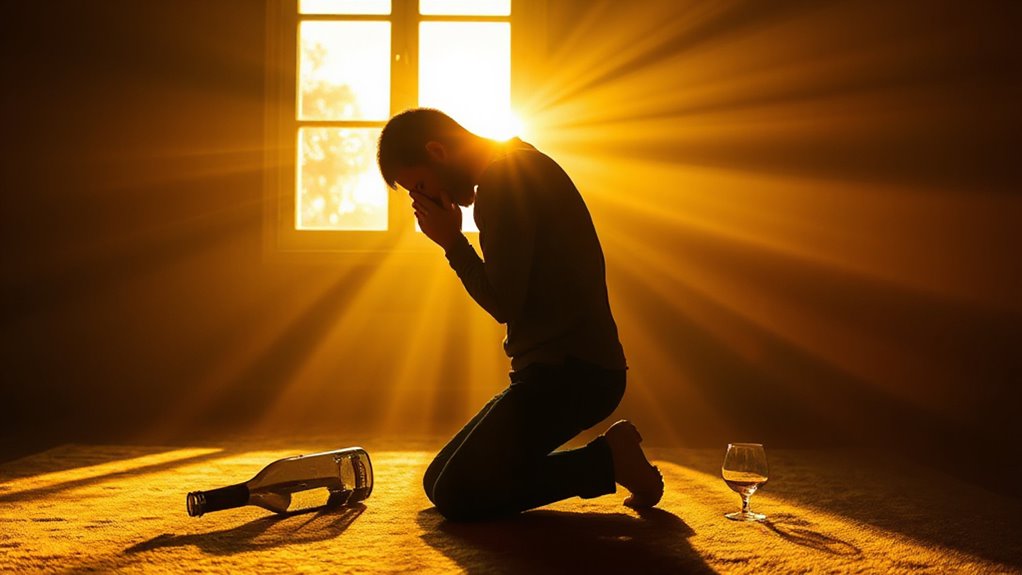
Understanding the full consequences of drunkenness requires examining how intoxication undermines the core dimensions of Christian life: personal faith, public testimony, and communal bonds.
Drunkenness attacks the very foundation of Christian life: our relationship with God, our witness to others, and our unity as believers.
Scripture indicates that drunkenness limits mental capacities needed for spiritual discernment. Ephesians 5:18 contrasts being drunk with being filled by the Holy Spirit, suggesting intoxication blocks divine guidance. Proverbs 23:33-35 warns that excessive alcohol dulls the conscience and numbs sensitivity to worship.
Regarding witness, public drunkenness damages reputation and encourages weaker believers to sin against conscience, according to 1 Corinthians 8:9-13. Paul instructs churches not to associate with professed Christians who remain drunkards (1 Corinthians 5:11).
Finally, intoxication fosters relational problems—strife, jealousy, and divisions—as listed in Galatians 5:19-21, straining the communal bonds essential to healthy Christian fellowship. The Bible’s use of symbolic imagery to describe holiness and judgment underscores why sobriety matters for clear spiritual perception and faithful witness.