







The Bible treats insecurity as a whole-person condition involving fear, emotional distress and spiritual vulnerability, not as a personal failure. Many of the Bible verses on this subject ground human worth in God’s design and choice rather than achievement. They also point to prayer as the path toward peace. Together they describe mental insecurity honestly and answer it with identity in Christ.
Key Takeaways
- Scripture describes insecurity as emotional, relational and spiritual vulnerability, not merely weakness.
- Fear language in the Bible, such as trembling, horror and overwhelm, honestly names the depth of inner distress.
- Human worth is set at creation and confirmed in Christ, so it does not depend on achievement or failure.
- Prayer is presented as handing your anxieties to God, with His peace guarding your heart and mind.
How the Bible Describes Insecurity and Fear
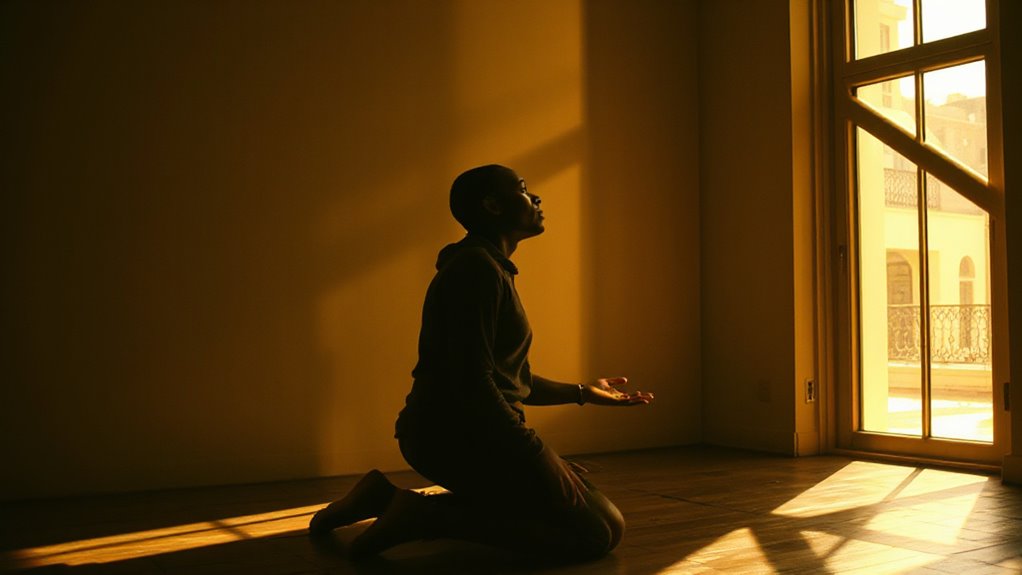
The Bible does not treat insecurity as a simple or shameful condition. It uses fear language to describe both emotional distress and spiritual vulnerability. The Psalms describe fear as overwhelming and often pair it with trembling, horror and dismay rather than presenting it as one isolated feeling. Paul links “weakness, fear, and much trembling” to his own ministry, connecting insecurity with human frailty rather than personal failure.
Biblical fear language can also mean reverence, as in Isaiah 66:2, where trembling reflects awe before God. Scripture therefore takes insecurity seriously as a condition that touches emotions, relationships and a person’s sense of spiritual standing.
First John 4:18 describes fear as involving “torment”, presenting insecurity not merely as doubt but as an active inner affliction. Second Timothy 1:7 offers a direct counter to it.
For God didn’t give us a spirit of fear, but of power, love, and self-control.
2 Timothy 1:7 (WEB)
This verse reminds believers that God gave them a spirit of power, love and self-control rather than fear.
Why Does God’s Word Say You Are Worthy Despite Insecurity?

Insecurity often measures worth by performance or approval. Scripture locates worth somewhere else, beginning with creation, before any achievement or failure enters the picture.
God created man in his own image. In God’s image he created him; male and female he created them.
Genesis 1:27 (WEB)
Psalm 139:14 reinforces this by describing people as “fearfully and wonderfully made.” Worth, according to these texts, begins with divine design.
The New Testament builds on this. Ephesians 1:4 describes believers as chosen before the world’s foundation, and Ephesians 1:6-7 connects acceptance to Christ’s redemptive work, not personal merit. Isaiah 43:4 adds that people are “precious” and “honored” in God’s sight. The meaning of the name Jesus underscores this assurance of divine rescue and value.
Ephesians 2:10 ties worth to purpose by calling believers God’s workmanship. That shifts identity away from fluctuating feelings and toward something Scripture presents as unchanging. Romans 5:8 affirms that Christ died for humanity while yet sinners, so worth is granted by God independent of human condition or merit.
Romans 8:1 then removes the basis for shame rooted in past failure or perceived inadequacy.
There is therefore now no condemnation to those who are in Christ Jesus, who don’t walk according to the flesh, but according to the Spirit.
Romans 8:1 (WEB)
The verse declares no condemnation for believers, which speaks directly to insecurity built on guilt.
How Prayer Replaces Fear and Insecurity With God’s Peace

Knowing your worth through Scripture addresses the root of insecurity, but Scripture also points to a daily practice for the fear that insecurity produces. Philippians 4:6–7 tells believers to bring every anxious thought to God in prayer, together with thanksgiving.
In nothing be anxious, but in everything, by prayer and petition with thanksgiving, let your requests be made known to God. And the peace of God, which surpasses all understanding, will guard your hearts and your thoughts in Christ Jesus.
Philippians 4:6-7 (WEB)
The passage describes God’s peace as something that “will guard” hearts and minds, which is protective rather than merely comforting language. That peace “surpasses all understanding,” meaning it does not depend on circumstances. This access is made possible by means of Christ Jesus.
First Peter 5:7 reinforces the idea by telling believers to “cast all your anxieties on him,” grounding the instruction in God’s personal care. Together these passages present prayer less as a coping strategy than as a transfer of burden, redirecting fear toward God rather than toward self-managed worry. Regular, honest prayer builds a steady practice of dependence on God that slowly reshapes anxious habits.
Paul wrote Philippians while under house arrest in Rome, awaiting trial and chained to a Roman guard. His instruction to pray rather than worry therefore comes from within genuine suffering, not from comfort.
A Practical Way to Respond to Insecurity
Suppose you feel inadequate before an important meeting. You might pause and name the fear honestly in prayer, as the Psalms do. Then you could thank God for one thing and hand the worry over, following Philippians 4:6–7. Finally, you could recall that your worth was set at creation and does not rise or fall with the meeting’s outcome.
Common Questions About Insecurity and Faith
Is feeling insecure a sign of weak faith?
Not according to Scripture. Paul openly described weakness, fear and much trembling in his own ministry, so insecurity is treated as part of human frailty rather than proof of failed faith.
Is all fear in the Bible negative?
No. Biblical fear language can describe distress, but it can also describe reverence and awe before God, as in Isaiah 66:2. Context shows which meaning is intended.
Finding Security Beyond Your Own Performance
Insecurity loses much of its grip when worth rests on what God has said rather than on how you feel today. A good next step is to choose one passage from this article, pray it honestly, and return to it whenever doubt about your value returns.