




The Bible presents Judgment Day as a future event in which God judges every person fairly and without partiality. Scripture describes a throne, opened books, and two lasting outcomes: eternal life or eternal punishment. Even careless words and hidden deeds are said to come under review. Here is what the main passages say about the Last Judgment and what it means.
Key Takeaways
- Scripture portrays the judgment as universal: great and small alike stand before God’s throne.
- God’s verdicts are described as perfectly fair, taking into account words, deeds and hidden motives.
- The Bible names two permanent outcomes, and it also stresses God’s patience and desire that none perish.
What Does Scripture Say About the Final Judgment?
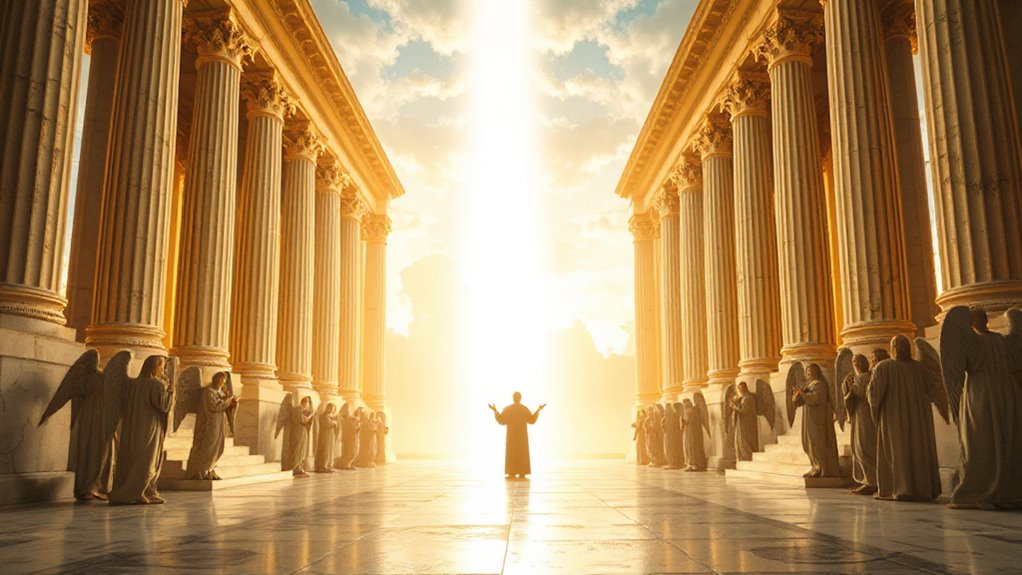
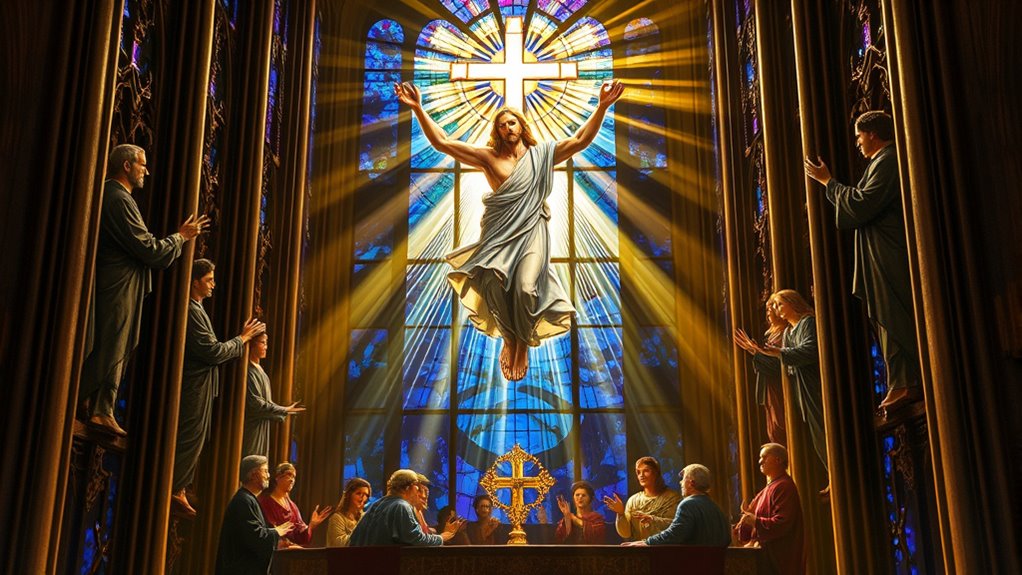
Scripture presents the final judgment as a structured event with a clear Judge, a gathered humanity and two distinct outcomes. Matthew 25:31–33 places Jesus on a throne of glory, with all nations assembled before Him and angels present.
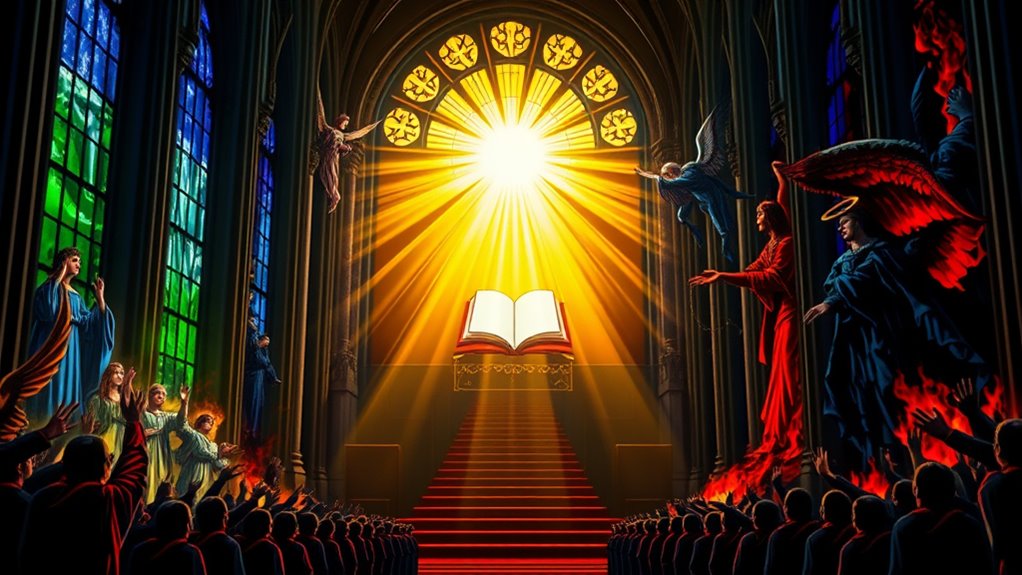
I saw a great white throne, and him who sat on it, from whose face the earth and the heaven fled away. There was found no place for them. I saw the dead, the great and the small, standing before the throne, and they opened books. Another book was opened, which is the book of life. The dead were judged out of the things which were written in the books, according to their works.
Revelation 20:11-12 (WEB)
Revelation adds the image of a great white throne, its whiteness signaling purity and righteousness. The dead, described as great and small, stand before it after the sea, death and Hades give up their occupants. Books recording human deeds are opened alongside the book of life, which makes the judgment exact and transparent.
God is perfectly just and fair in this judgment, showing no partiality toward anyone who stands before the throne.
In Matthew 25, the separation of people is pictured with shepherd imagery, with sheep placed on the right and goats on the left. Each group receives a verdict based on how they treated those in need.
Which Deeds and Words Will God Judge?
The Bible says the judgment reaches the details of individual lives, down to the words people speak and the deeds they perform.
I tell you that every idle word that men speak, they will give account of it in the day of judgment. For by your words you will be justified, and by your words you will be condemned.”
Matthew 12:36-37 (WEB)
Every idle or careless word will be accounted for, and words will factor into whether a person is justified or condemned. Across Bible translations, this unguarded speech is rendered as idle, careless, useless, empty, or worthless words. Jesus also taught that out of the heart the mouth speaks, so words reflect the inner condition of the heart.
Beyond speech, 2 Corinthians 5:10 teaches that all deeds done in the body will receive appropriate recompense.
For God will bring every work into judgment, with every hidden thing, whether it is good, or whether it is evil.
Ecclesiastes 12:14 (WEB)
This extends the review to what no one else sees. Hidden motives are included as well: 1 Corinthians 4:5 says the Lord will reveal what is concealed and expose the intentions of the heart.
What Are the Two Outcomes of Judgment Day?

Having established that God will judge every word and deed, including what is hidden, the Bible also states what the judgment produces.
These will go away into eternal punishment, but the righteous into eternal life.”
Matthew 25:46 (WEB)
Two outcomes appear: eternal life for the righteous and eternal punishment for the unrighteous. The same Greek term for duration applies to both, which suggests equal permanence in each destiny.
Revelation 20:11–15 reinforces this division, connecting the lake of fire with final condemnation and the book of life with salvation. Daniel 12:2 similarly anticipates a resurrection of both the righteous and the wicked, leading to either eternal life or eternal shame and contempt.
In the cited passages no third path appears, and the judgment is portrayed as irreversible rather than corrective or temporary. One group receives everlasting joy; the other faces everlasting separation.
The picture is not only one of condemnation, however. Second Peter 3:9 says God is patient, wanting none to perish, while those who ultimately refuse His mercy face the full weight of condemnation.
Common Questions About Judgment Day
Does the Bible say who the Judge will be?
Matthew 25:31–33 places Jesus on a throne of glory with all nations gathered before Him. Revelation 20:11 describes a great white throne, with the dead standing before it.
Will God judge only actions?
No. Scripture also names careless words and hidden things, including the heart’s intentions. Verdicts are described as impartial and based on the full record of a life.
Living in Light of the Last Judgment
The biblical picture combines accountability with patience: God sees everything, yet desires that none perish. A fitting response is to take seriously what we say and do, and to treat others, especially those in need, with the care Jesus describes in Matthew 25.