




The Bible uses “fool” to describe those who reject God’s existence and authority, framing this denial as a moral choice rather than an intellectual position. Psalm 14:1 declares, “The fool says in his heart, ‘There is no God,'” while Romans 1:18–23 portrays unbelief as suppressing truth through a desire for autonomy. Proverbs adds that fools display destructive speech patterns, comparing their words to fire and weapons. The biblical concept connects rejection of God with corrupt behavior and harmful communication. Understanding this framework reveals deeper layers about biblical wisdom and moral reasoning.
Key Takeaways
- The Bible calls those who deny God “fools,” framing rejection of God as a willful moral choice rather than intellectual conclusion.
- Fools suppress truth in unrighteousness, exchanging God’s glory for created things out of desire for autonomy from divine authority.
- Foolish speech destroys like fire and weapons, provoking strife, inviting ruin, and ultimately ensnaring the speaker in their words.
- Fools display impulsive rashness through unrestrained annoyance and immediate reactions, lacking self-control in expressing their emotions.
- Wicked fools use deceptive flattery and lies as weapons to harm others, concealing hatred through manipulative speech patterns.
Why the Bible Calls Atheists and Skeptics Fools

The Bible’s designation of atheists as fools rests primarily on Psalm 14:1, which declares, “The fool says in his heart, ‘There is no God.'” This verse, repeated word-for-word in Psalm 53:1, establishes a clear biblical position that denying God’s existence constitutes foolishness rather than intellectual sophistication.
The Hebrew word for “heart” (lēb) refers to the seat of human will, suggesting the denial stems from volitional choice rather than lack of evidence. Scripture directly connects this rejection to moral corruption, stating such individuals “are corrupt; their acts are vile.”
Romans 1:18–23 further explains this as suppressing truth in unrighteousness, exchanging God’s glory for created things. The biblical framework presents unbelief not as an intellectual conclusion drawn from data, but as dispositional refusal rooted in desire for autonomy from divine moral authority. Jesus’ use of Aramaic phrases in key moments further illustrates the cultural-linguistic context in which these biblical texts were preserved.
The Destructive Speech Patterns of Biblical Fools

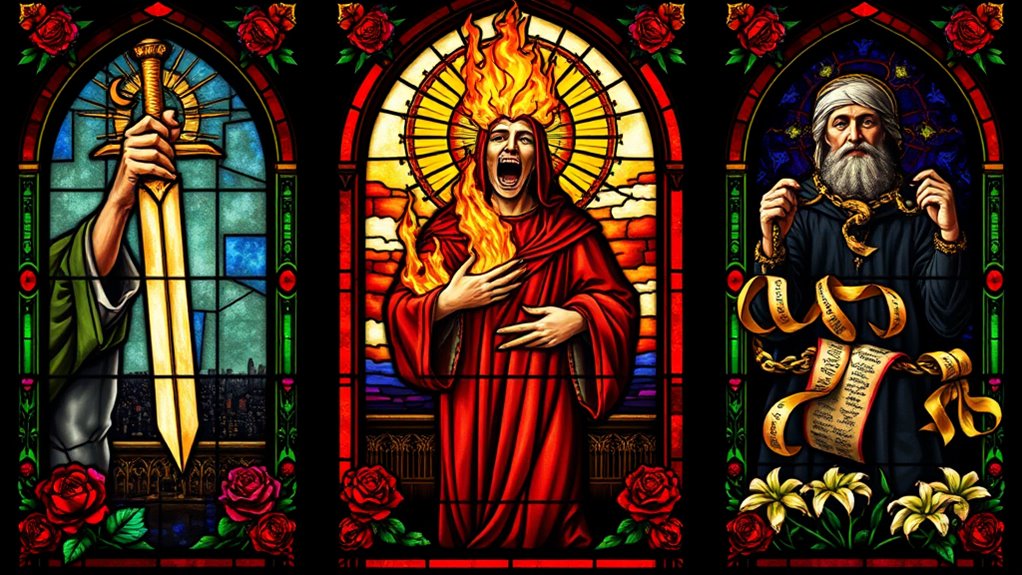
Speaking carries profound power in biblical wisdom literature, particularly when examining how fools employ language as a weapon rather than a tool for building others up. Proverbs depicts foolish speech as deliberately violent, with words that function as a cudgel to beat others (Proverbs 25:18) or burning fire that sets entire cities ablaze (Proverbs 29:8, 16:27).
The wicked conceal hatred through flattery and deceptive words, lying in wait to destroy through speech (Proverbs 26:24–26, 14:25). This destructive pattern ultimately ensnares the fool himself, as his mouth becomes a trap leading to personal ruin (Proverbs 18:7, 10:14).
Foolish lips provoke strife and invite beating (Proverbs 18:6), characterized by impulsive rashness that displays annoyance immediately without restraint (Proverbs 12:16, 29:11).