The Bible consistently addresses magic by separating divinely authorized acts from occult practices that draw on unauthorized spiritual power. Terms like sorcery, divination, and necromancy appear across both Covenants, with Deuteronomy 18:10–11 listing specific forbidden acts and Galatians 5:19–21 classifying witchcraft among works of the flesh. Capital penalties applied to illegitimate practitioners, not authorized representatives of God. Scholars note these prohibitions target demonic collaboration and counterfeit supernatural claims, leaving important distinctions worth exploring further.
Key Takeaways
- The Bible strictly forbids occult practices like sorcery, divination, necromancy, and consulting spirits, prescribing severe penalties under Mosaic law.
- Biblical prohibitions target the source of power and spiritual allegiance, not ritual form alone, distinguishing demonic collaboration from authorized divine acts.
- God-authorized acts like Aaron’s staff transformation faced no condemnation, while unauthorized practitioners risked capital punishment under Old Testament law.
- Galatians 5:19–21 lists witchcraft among works of the flesh, confirming the New Testament continues condemning occult practices as spiritually serious sins.
- Modern stage magic, relying on skill and illusion without supernatural claims, falls outside biblical prohibitions targeting demonic or counterfeit spiritual power.
What the Bible Actually Says About Magic

The Bible does not use the word “magic” often, but it addresses the subject through a range of related terms spread across both covenants. Words like sorcery, divination, charming, and enchantment appear frequently, each describing distinct practices. Magicians appear in Genesis, Exodus, and Daniel. Sorcerers surface in Exodus, several prophetic books, and into Revelation.
The New Testament references magic directly once, in Acts 19:19, where new believers burned their occult books following Paul’s ministry in Ephesus. Hebrew terms like kashaph, meaning to whisper spells, appear in Exodus 22:18 and five related passages. Rather than treating magic as a single category, Scripture addresses it through specific behaviors and contexts, which helps readers understand what the biblical writers were actually condemning and why. Deuteronomy 18:10–11 lists several of these condemned behaviors explicitly, including witchcraft, soothsaying, sorcery, conjuring spells, and consulting mediums and spiritists.
The word “magic” itself appears only three times in NKJV, twice in the book of Ezekiel and once in Acts 19:19, a surprisingly limited lexical presence given how large the subject looms in modern culture.
Did the Old and New Testaments Forbid It?

Both the Old and New covenants addressed magical practice with notable directness, though neither treated the subject as a single unified category.
Exodus 22:17 ordered the execution of sorceresses, while Leviticus 20:27 prescribed death by stoning for those consulting ghosts or familiar spirits. Deuteronomy 18:10-11 extended those prohibitions further, listing augury, sorcery, spell-casting, and necromancy as forbidden acts.
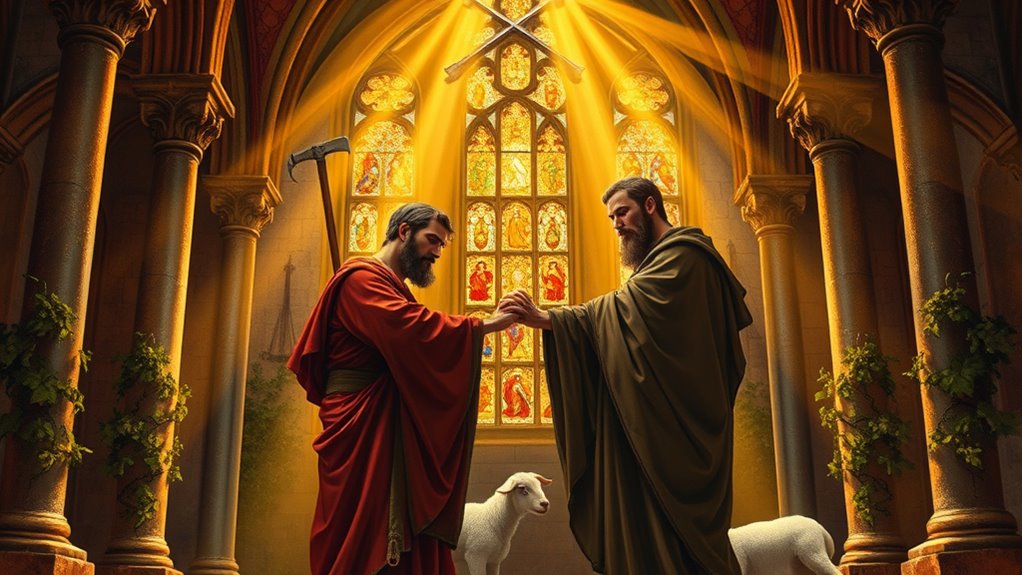
However, the biblical texts distinguished consistently between unauthorized practices and divinely sanctioned ones. Aaron’s staff transformation in Exodus 4:1-6 received no condemnation.
The legal concern centered on authorization and source rather than the magical act itself. Illegitimate practitioners faced capital punishment; authorized representatives did not. The distinction suggests both covenants were regulating religious boundaries rather than condemning all ritual practice outright. The presence of laws forbidding necromancy has been cited by scholar Ann Jeffers as evidence that necromancy was practiced throughout Israel’s history.
The New Testament carried forward this condemnatory trajectory, with Galatians 5:19-21 listing witchcraft among works of the flesh that would prevent believers from inheriting the kingdom of God.
Where Did Biblical Magicians Get Their Power?

Establishing what biblical law prohibited naturally raises a follow-up question: where did practitioners who operated outside divine authorization actually get their power? Scholars have proposed three main explanations.
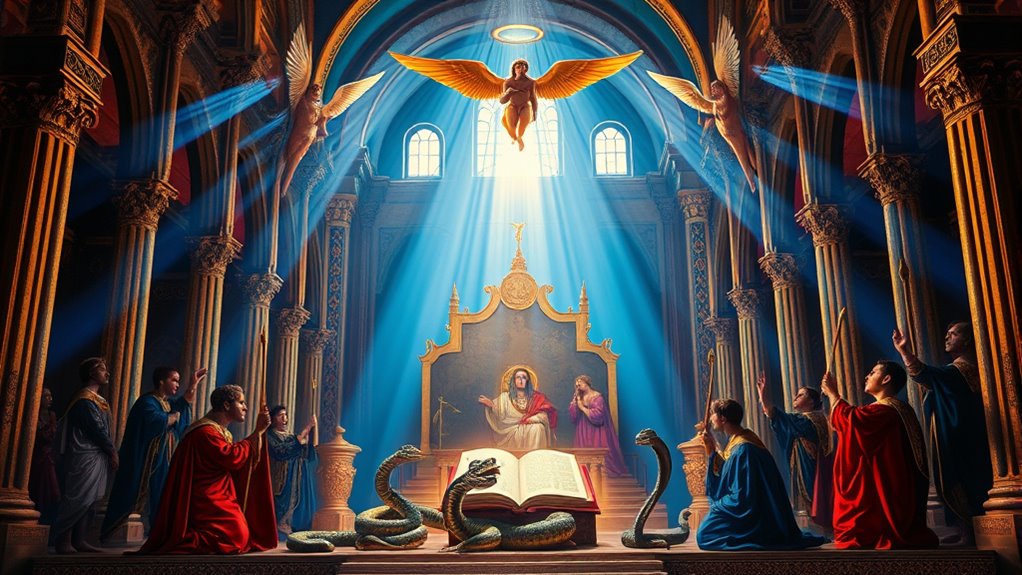
The first attributes the power to demonic or satanic sources. When Pharaoh’s magicians replicated early plagues, some interpreters connect this to Satan’s deceptive abilities described in 2 Corinthians 4:4. Aaron’s staff swallowing theirs, however, demonstrated a clear hierarchy.
Some interpreters trace the magicians’ power to Satan himself—yet Aaron’s staff swallowing theirs revealed an unmistakable hierarchy.
The second explanation suggests sleight of hand. Matthew Henry’s Commentary raises the possibility that magicians concealed serpents in their clothing, performing skilled misdirection rather than genuine miracles. Ancient Egyptian magicians were also reputed for skill in handling serpents, lending credibility to the idea that physical manipulation rather than supernatural power was at work.
The third notes firm limitations: the magicians failed to reproduce gnats and eventually acknowledged God’s intervention directly. Whether demonic or deceptive, their power consistently proved inferior to what Scripture attributes to God. King Saul’s desperate consultation of a medium at Endor further illustrates how those who sought unauthorized spiritual power ultimately found themselves outside the protection and provision of God.
Does the Bible’s Condemnation Apply to Stage Magicians?

Whether the Bible’s warnings against magic extend to a birthday party illusionist or a Las Vegas stage performer is a question many Christians have genuinely wrestled with.
Scholars who study biblical texts carefully note a consistent pattern: Scripture’s condemnations target practices involving demonic collaboration, occult divination, and counterfeit supernatural power. Deuteronomy 18:9–14 forbids sorcery and divination, while Revelation 22:15 places sorcerers outside the heavenly city. Neither passage addresses sleight of hand or optical illusions.
Modern stage magicians rely entirely on physical skill and practiced technique, making no supernatural claims whatsoever. Christian performers like gospel illusionists have long operated within entertainment contexts without violating scriptural boundaries.
Discernment remains important, but most biblical scholars agree the prohibitions simply do not apply to non-occult performance magic. The word “magic” itself appears six times in the Bible, each occurrence tied to contexts of deception, demonic power, or opposition to God rather than innocent entertainment.
When Egyptian magicians replicated Aaron’s signs before Pharaoh, their methods were widely understood even in antiquity as serpent-charming and conjuring, common craft techniques rather than genuine supernatural power, a distinction that underscores how Scripture targets intent and spiritual allegiance rather than the appearance of wonder-working alone.