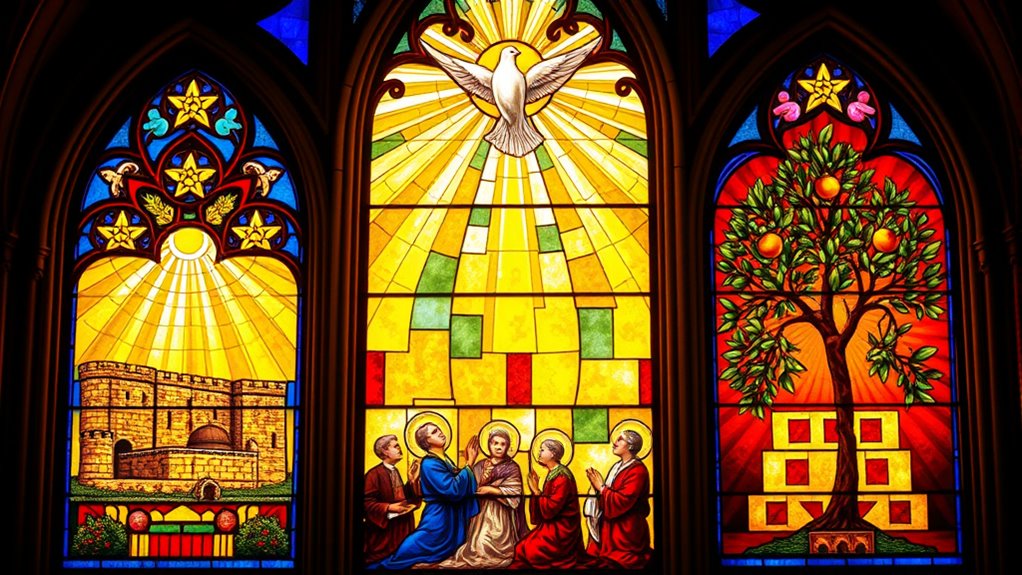



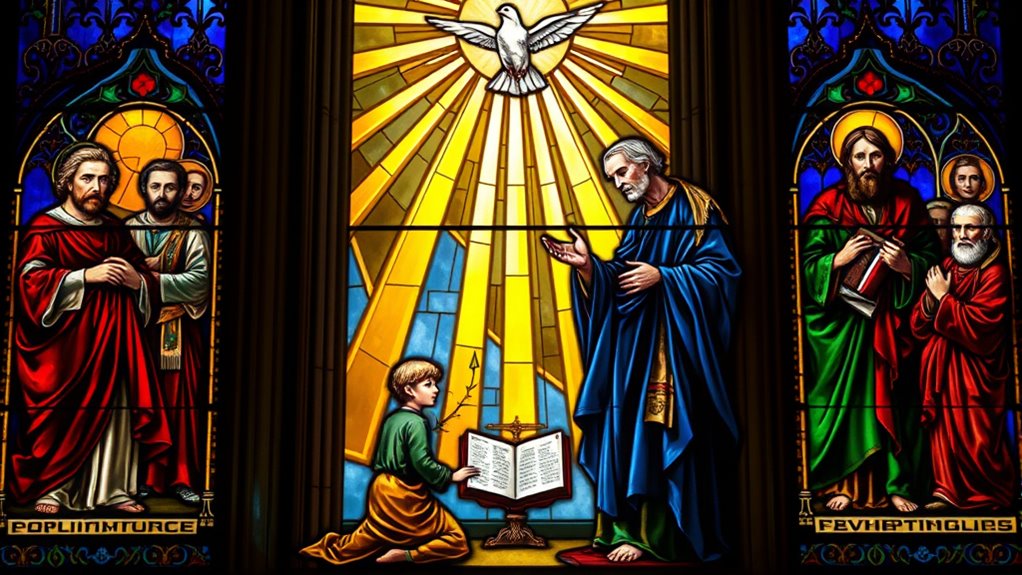


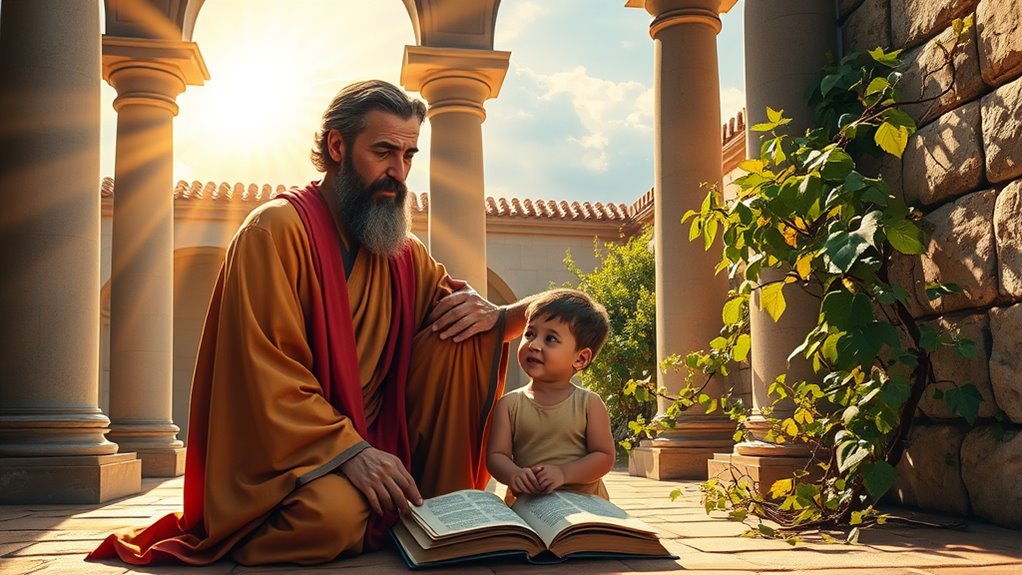
The Bible assigns parents the primary responsibility for teaching children about God, beginning with Deuteronomy 6:4-9, which instructs families to discuss faith during daily routines—at home, on walks, at bedtime, and upon waking. Parents are called to model biblical character, provide loving discipline that shapes internal values rather than merely external compliance, and help children develop personal ownership of faith through explanation and example. Hebrews 12:10-11 presents correction as producing holiness and peace when administered with gentleness, while Ephesians 6:4 warns against provoking children to anger. The scriptural approach combines consistent instruction with patient nurture to form Christlike character across generations.
Key Takeaways
- Parents hold primary responsibility for teaching children about God through daily conversations at home, on the road, and at bedtime.
- Integrate Scripture into ordinary life moments by discussing God’s Word during routine activities and modeling consistent faith.
- Discipline with love is essential for character formation, combining corrective actions and words to guide children toward righteousness.
- Begin instruction with accessible Scripture like the Gospels, establishing a simple, consistent plan for daily reading and discussion.
- Move children from external obedience to internal self-discipline by explaining beliefs, God’s works, and fostering personal faith ownership.
Your God-Given Role: Teaching Children to Know Him
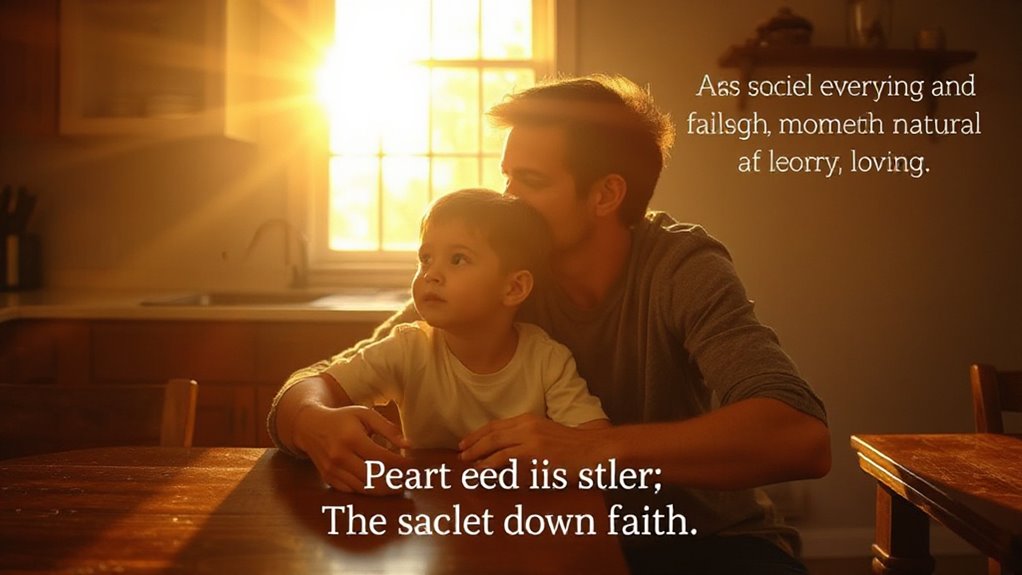
According to Scripture, parents bear the primary responsibility for teaching their children about God, a role outlined most directly in Deuteronomy 6:4-9.
Scripture assigns parents the primary responsibility for teaching their children about God, particularly through Deuteronomy 6:4-9.
This passage commands parents to impress God’s commandments on their children through daily conversations—at home, on the road, at bedtime, and upon waking. Joel 1:3 reinforces this mandate, instructing parents to tell their children of God’s deeds to assure generational transmission of faith.
The task extends beyond verbal instruction; Deuteronomy 6:8-9 directs parents to bind God’s words as symbols on hands and foreheads, writing them on doorframes and gates.
Deuteronomy 6:20-25 emphasizes that parents must share God’s works with their children, fostering personal faith ownership rather than secondhand belief.
Children absorb their parental environment, making consistent valuing and sharing of God’s Word essential.
Begin with accessible Scripture and a consistent plan—such as reading the Gospels daily—to help children grasp who Jesus is and build lasting spiritual habits, which is why starting with the Gospels for beginners is often recommended.
What to Teach Your Children About God’s Word and Character

The foundation of what parents teach their children about God begins with Scripture itself, particularly the commands laid out in Deuteronomy 6:6-9. These verses instruct parents to keep God’s words on their hearts, teach them diligently to their children, and discuss them throughout daily life—while sitting at home, walking, lying down, and rising.
This continual instruction aims at Christlike character formation, rooted in passages like Colossians 3:16 and Galatians 4:19. Parents model biblical character qualities drawn from both Old and New Covenants, addressing the beliefs behind behaviors rather than merely correcting actions.
Ephesians 6:4 emphasizes bringing children up in the discipline and instruction of the Lord, shaping their thinking through consistent admonition and guidance that builds discernment and love for God.
Archaeological discoveries and manuscript evidence support the historical transmission of Scripture, underscoring its textual integrity and value for teaching.
Biblical Discipline That Builds Character Without Breaking Spirit

Teaching children about God’s character naturally raises the question of how parents should respond when children stray from what they have been taught.
Scripture presents discipline as necessary for character formation, warning in Hebrews 12:4 against haphazard living while promising rewards for perseverance.
Proverbs 23:13-14 frames correction as saving a child’s soul from sin.
The biblical method combines physical action (*yasar*) with corrective words (*yakach*), as outlined in Proverbs 3:11 and quoted in Hebrews 12:5.
Ephesians 6:4 instructs parents to balance nurture and admonition without provoking wrath.
Hebrews 12:6-7 identifies discipline as flowing from God’s love, performed in gentleness to prevent resistance.
The goal moves children from external obedience to internal self-discipline, producing holiness, peace, and righteousness according to Hebrews 12:10-11.
The practice of loving correction reflects the biblical understanding that God the Father and the Son are distinct yet united in purpose, modeling how discipline stems from divine love and relational unity shared divine essence.