
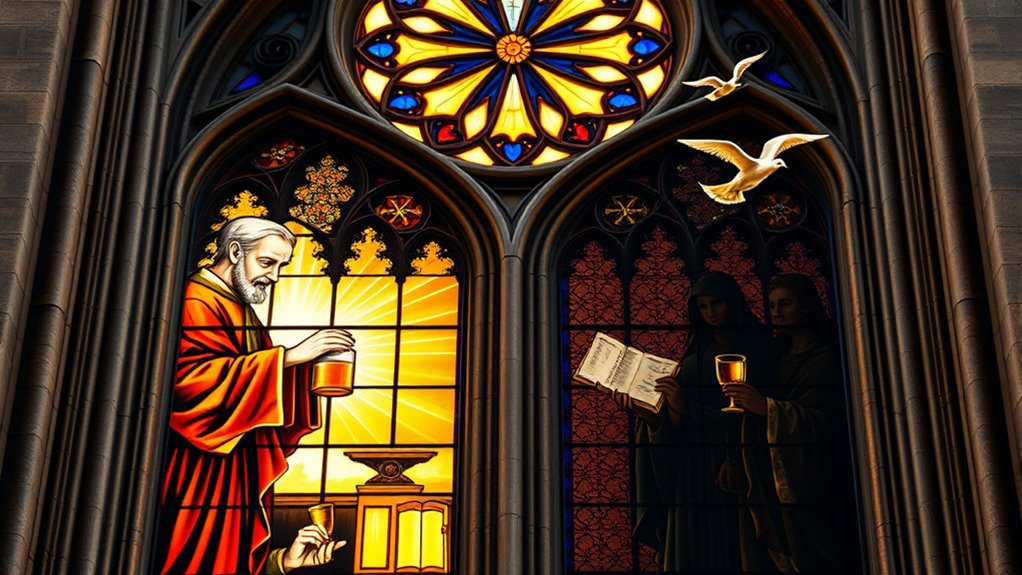
The Bible does not mention marijuana directly, but it provides clear guidance through principles about sobriety and self-control. Passages like 1 Peter 5:8 and Ephesians 5:18 call believers to remain sober-minded and avoid intoxication. First Corinthians 6:19 teaches that the body is a temple of the Holy Spirit, requiring careful stewardship. Many theologians distinguish between recreational use, which typically impairs mental clarity, and certain medical applications using non-intoxicating forms. The scriptural emphasis on vigilance and clear-mindedness shapes how Christians approach these questions today.
Key Takeaways
- The Bible does not mention marijuana directly but applies broader principles about sobriety, self-control, and avoiding intoxication.
- Scripture warns against drunkenness and mind-altering substances that impair vigilance, self-control, and mental clarity.
- Recreational use conflicts with biblical commands to remain sober-minded and avoid enslavement to substances.
- Medical use may be permissible when non-intoxicating forms treat genuine conditions without producing impairment.
- Believers must consider legal obedience, body stewardship, and whether use might cause others to stumble spiritually.
What Does the Bible Say About Smoking Weed?
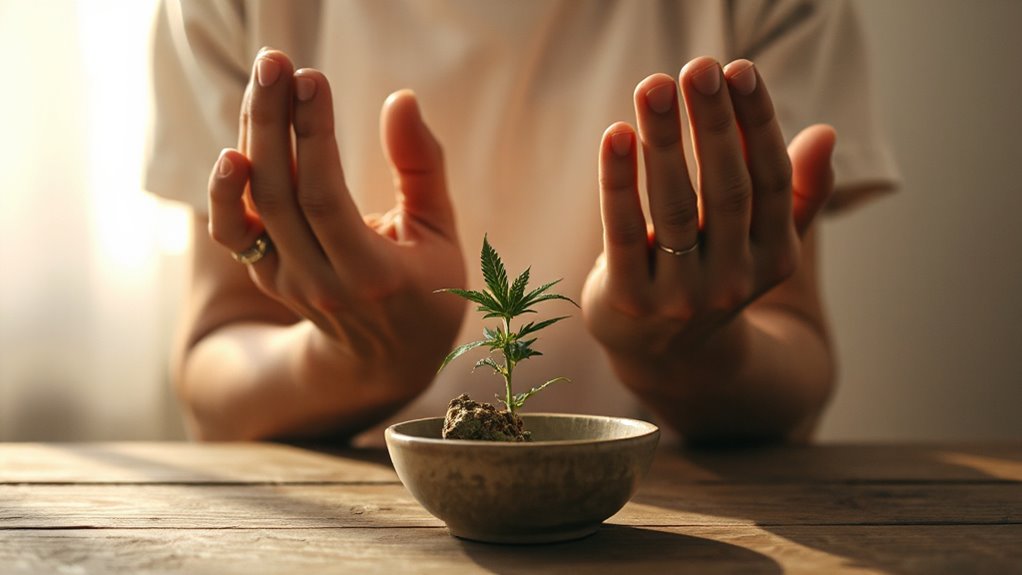
What Does the Bible Say About Smoking Weed?
Understanding what the Bible says about smoking weed requires traversing territory where ancient texts meet modern questions. Scripture contains no explicit reference to marijuana or cannabis, leaving Christians to evaluate the practice through broader biblical principles.
Most scholars reject interpretations of Exodus 30:23 as describing cannabis. Instead, believers turn to commands about sobriety, self-control, and intoxication. First Peter 5:8 instructs readers to remain sober and vigilant, while Ephesians 5:18 warns against drunkenness, a prohibition many extend to other mind-altering substances. Galatians 5:19-25 lists lack of self-control among the works of the flesh.
Without a single verse directly addressing marijuana, Christians navigate these teachings to form convictions about its use, balancing creation gifts with calls to mental clarity. First Corinthians 6:19 emphasizes that the body is a temple of the Holy Spirit, reminding believers of their responsibility to care for their physical selves. Marijuana affects brain areas responsible for memory, learning, attention, decision-making, and coordination, raising questions about stewarding one’s mental faculties. Additionally, readers often consider the original biblical languages and historical context when applying scripture to new issues.
Medical Marijuana vs. Recreational Use: Biblical Distinctions
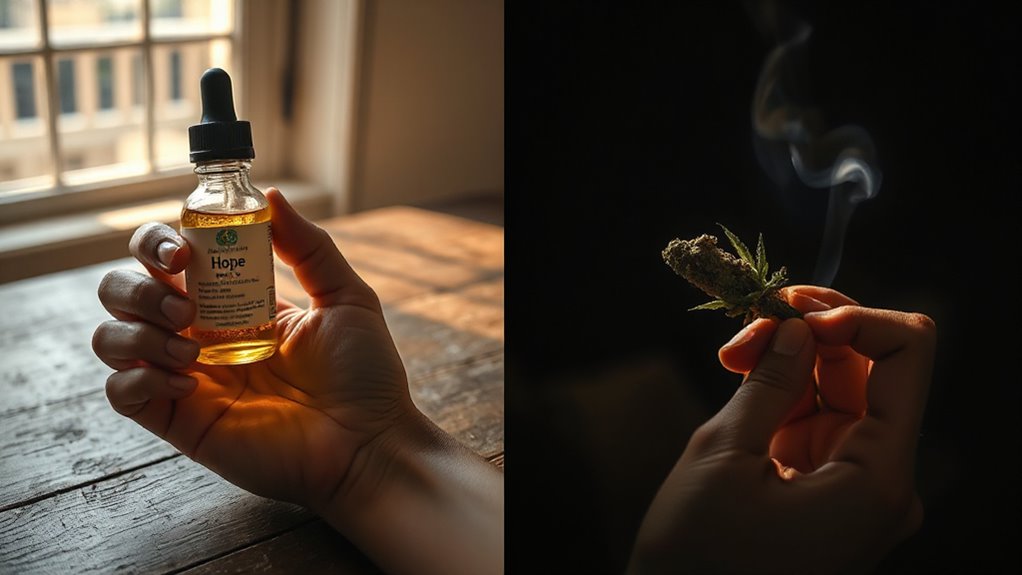
Within the broader conversation about cannabis, the Bible’s silence on marijuana itself leaves Christians to distinguish between medical and recreational use through principles rather than proof texts.
Recreational use aligns with biblical warnings against drunkenness in Ephesians 5:18 and Galatians 5:21, as intoxication impairs the sobriety required in 1 Thessalonians 5:6-8.
Medical applications differ when non-intoxicating forms like oils treat genuine conditions without producing a high, consistent with Genesis’s creation mandate to develop earth’s resources for good. The traditional site of Jesus’ crucifixion at Golgotha underscores how Christian ethics often tie physical locations and historical context to moral reflection.
First Corinthians 10:31 requires even medicinal use to glorify God, avoiding enslavement per 1 Corinthians 6:12.
Two FDA-approved medications, Epidiolex and Marinol, exist for select seizures and chemotherapy-related nausea as treatments of last resort, though safer alternatives are usually preferred as first-line options.
The term “medical marijuana” refers to insufficiently regulated use of whole, unprocessed marijuana plant or its extracts, distinct from pharmaceutical-grade medications developed according to FDA standards.
Christians also weigh Romans 13:1-2‘s call to obey governing authorities, which complicates both applications where federal law conflicts with state legalization, and consider whether use might cause others to stumble per 1 Corinthians 10:32-33.