Pope Leo’s first Lenten retreat as pontiff took place February 22–27 in the Pauline Chapel, marking a return to communal exercises with the Roman Curia after years of individual practice. Bishop Erik Varden led eleven meditations emphasizing silence, hope, truth, and humility, drawing heavily from the Desert Fathers and St. Bernard of Clairvaux. The venue choice—shifting from the Redemptor Homini Chapel amid the ongoing Rupnik canonical case—suggested a willingness to face difficult institutional realities. The retreat’s closing exhortation called for conduct worthy of the Gospel, signaling a pontificate prioritizing spiritual depth over appearances and authentic witness over self-righteousness, themes that echo throughout Leo’s early leadership.
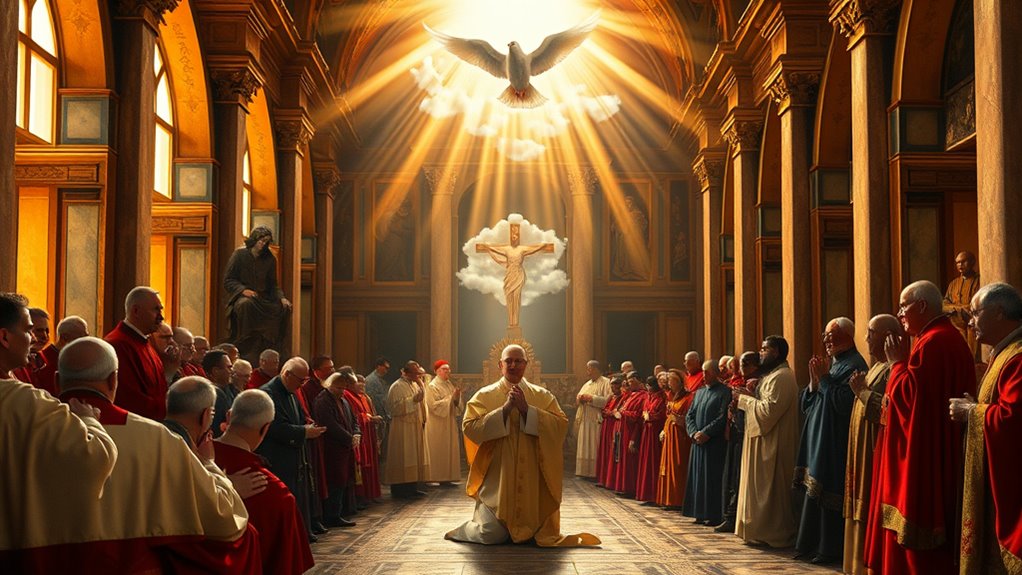
During the first full week of Lent, Pope Leo XIV suspended all public activities and retreated into the Pauline Chapel of the Apostolic Palace for six days of prayer, silence, and spiritual renewal. The February 22-27 gathering marked the first Lenten retreat of his pontificate and signaled a return to the historic communal format involving the pope and Roman Curia, reversing the individual exercises conducted from 2021 to 2024.
Bishop Erik Varden, a Norwegian Trappist monk and Bishop of Trondheim, led eleven meditations entitled “Illuminated by a Hidden Glory: A Lenten Itinerary.” Varden, who converted to Catholicism as a teenager and formerly served as abbot at Mount Saint Bernard Abbey, drew heavily from the Desert Fathers and St. Bernard of Clairvaux. His reflections explored themes of silence, hope, freedom, and the integration of desire with spiritual life, centering on truth and humility as antidotes to self-centeredness.
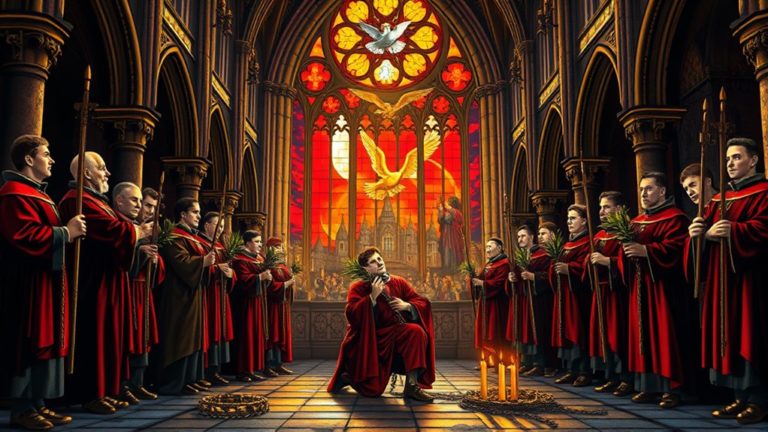
The choice of venue carried quiet significance. The retreat moved from the Redemptor Homini Chapel to the Pauline Chapel, a shift linked to the ongoing canonical case involving Father Marko Rupnik. This implicit acknowledgment of the gravity of that situation suggested a willingness to address difficult realities without public pronouncement.
Varden’s meditations focused on Christian contemplation, examining Christ’s wounds as remedies for human brokenness and emphasizing authentic witness over self-righteous indignation. He presented chastity as an orientation toward fullness of life and anchored hope not in a modernized world but in the promise of resurrection and a new creation.
The daily rhythm included Eucharistic adoration and the Liturgy of the Hours, following a custom established by Pope Pius XI.
In his closing remarks, Pope Leo XIV thanked Bishop Varden and quoted St. Bernard’s words to the future Pope Eugene III on the day of his election. Recalling his own election on May 8 in the same Pauline Chapel, the pope urged those present to conduct themselves in a manner worthy of the Gospel, citing Philippians 1:27, and invited the faithful to embody peace as witness to Christ’s presence.
The retreat offered insight into a pontificate prioritizing spiritual depth and truthful engagement. The pope also emphasized reliance on the active presence of the Holy Spirit in nurturing prayer, holiness, and discernment.