






The Bible affirms physical exercise while placing it within a broader framework of stewardship and spiritual responsibility. First Timothy 4:8 acknowledges that bodily training holds real value but ranks godliness higher, since spiritual health carries benefits beyond death. First Corinthians 6:19–20 describes the body as a temple of the Holy Spirit, framing physical care as an act of worship. Proverbs consistently warns against laziness, treating inactivity as both a moral and practical failure. The full teaching offers considerably more guidance on what faithful stewardship actually requires.
Key Takeaways
- 1 Timothy 4:8 affirms physical exercise has genuine value, but ranks godliness higher as it benefits both this life and eternity.
- 1 Corinthians 6:19–20 calls the body a temple of the Holy Spirit, making physical care an act of worship and stewardship.
- Athletic imagery in 1 Corinthians 9:24–27 presents disciplined physical training as a model for Christian self-control and spiritual commitment.
- Proverbs consistently warns against laziness and inactivity, implying that physical diligence honors God and reflects moral character.
- Scripture distinguishes between sin and physical condition, framing body care as gratitude rather than adherence to appearance-based standards.
The Bible Does Address Exercise: Here’s the Actual Teaching

Many people assume the Bible stays silent on physical exercise, but a closer reading reveals a more nuanced position. Scripture neither ignores the body nor elevates physical training above spiritual growth. In 1 Timothy 4:8, Paul acknowledges that bodily exercise holds real value while placing godliness above it. He does not dismiss physical effort; he simply ranks it.
Elsewhere, in 1 Corinthians 9:24-27, Paul uses athletic discipline as a direct model for Christian living, describing how he keeps his body under control to serve ministry goals. Proverbs repeatedly warns against laziness, implying that diligence and physical effort reflect a life pleasing to God. The Bible’s position is measured and clear: the body matters, though the spirit matters more.
In 1 Corinthians 6:19-20, Paul describes the body as temple of the Holy Spirit, establishing a direct basis for treating physical health as a matter of Christian responsibility.
In 2 Timothy 2:5, Paul draws on athletic imagery to communicate spiritual truth, anchoring training standards in love rather than worldly rules as the measure by which a believer competes and grows.
Your Body Is a Temple: What That Demands From You Physically
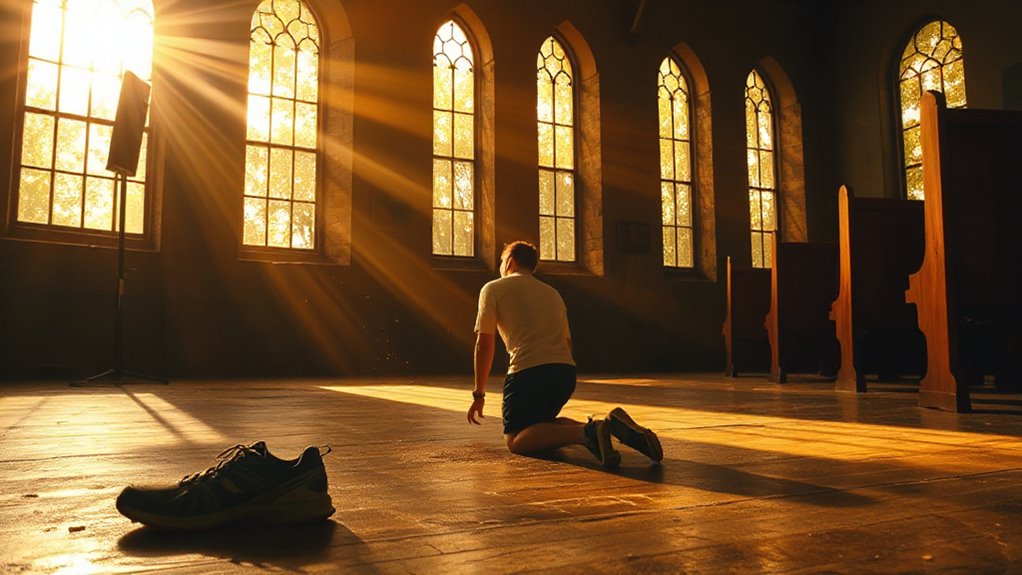
Scripture ranks spiritual growth above physical training, but it does not stop there. First Corinthians 6:19-20 describes the believer’s body as a temple of the Holy Spirit, purchased through Christ’s redemptive work. That designation carries practical weight. Paul connects the temple concept directly to behavioral choices, particularly avoiding sexual immorality, rather than achieving specific fitness standards.
Jesus clarified in Matthew 15:11 that sin, not physical condition, defiles a person. Scripture distinguishes between gluttony as sin and being overweight as a physical state, treating them separately.
Caring for the body through rest, nourishing food, and exercise reflects gratitude toward God as Creator. The framework shifts ownership from personal preference to divine purpose, meaning stewardship becomes an act of worship rather than a pursuit of appearance. The Holy Spirit, received at the moment of faith, dwells permanently within the believer, making every physical choice an act carried out in His presence.
The original Greek of First Corinthians 6:19 addresses believers with a second person plural, meaning the temple imagery applies to the gathered body of believers collectively, not to isolated individuals alone.
Does the Bible Rank Spiritual Health Above Physical Exercise?

Priority is a concept the Bible addresses directly when it comes to physical and spiritual health. First Timothy 4:8 states that physical training holds some value, but godliness carries value for all things, promising rewards in both present and eternal life. Paul’s language does not dismiss exercise but establishes a clear hierarchy. Physical benefits end at death; spiritual benefits do not.
Importantly, this ranking does not create an either-or conflict. First Corinthians 9:24–27 presents physical and spiritual fitness as compatible pursuits. The body and soul share a reflexive relationship, each influencing the other. Biblical balance, consequently, calls for honoring both without elevating either to an extreme. Neglecting physical health or neglecting spiritual growth both fall outside what Scripture commends. Paul himself warned of allowing bodily discipline to go unmatched by soul discipline, cautioning that a believer could be physically fit yet spiritually neglected. Exercise, rightly pursued, can even serve as a spiritual training ground that strengthens the will and shapes the soul toward greater joy in God.
Why the Bible Treats Laziness as a Fitness Problem Too

Laziness, in the Bible’s view, is not simply a personality quirk but a condition with measurable consequences for the body, the wallet, and the soul.
Proverbs 21:25 describes the sluggard as someone whose hands refuse to work, while Proverbs 26:14 pictures the same person turning on a bed like a door on its hinges. The physical picture is deliberate. Scripture treats inactivity as a pattern with real outcomes: poverty arrives like an armed man, according to Proverbs 6:10–11, and harvests yield nothing to those who neglect preparation.
Paul reinforces the physical dimension by commanding believers to imitate his example of working night and day. Diligence, the Bible suggests, is not merely moral virtue but a practical discipline affecting the whole person. Ephesians 2:10 reminds believers that they were created for good works, meaning slothfulness runs contrary to the very purpose God designed them to fulfill.
Proverbs 6:6 points to the ant as a model of industry, a creature that works without being told, and its example stands as a rebuke to anyone who treats rest as a default posture toward life.