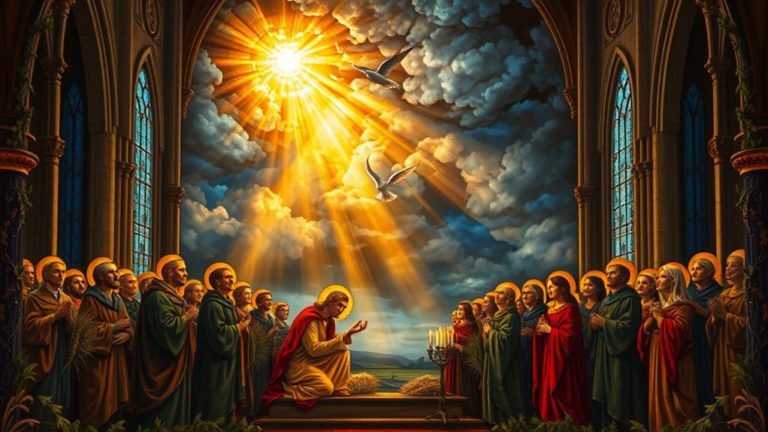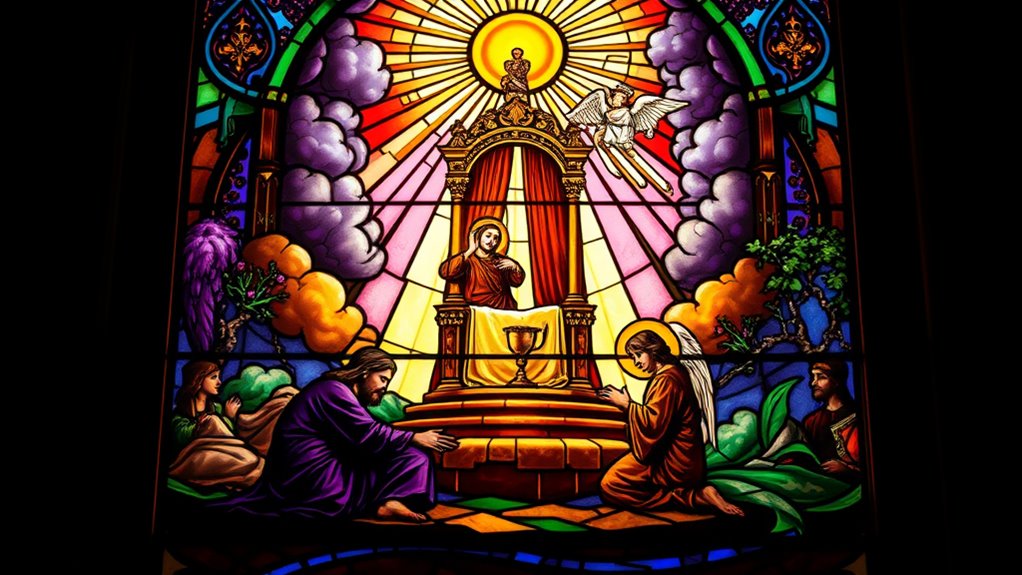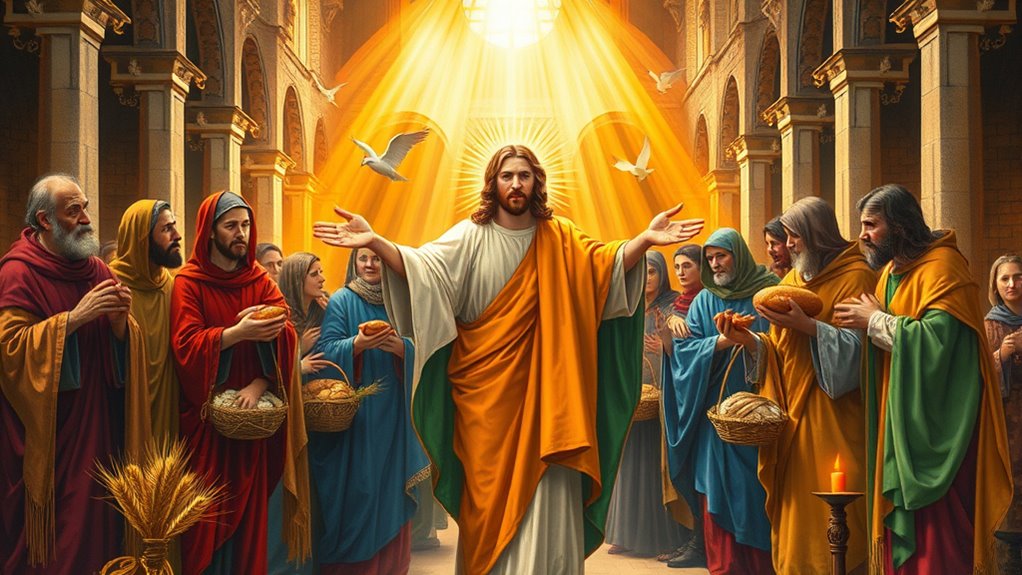


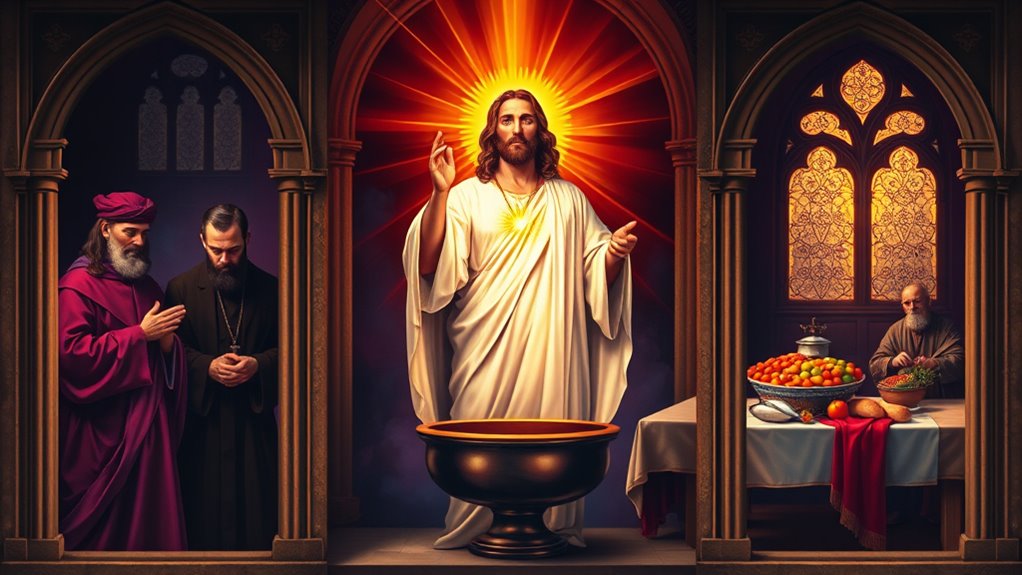

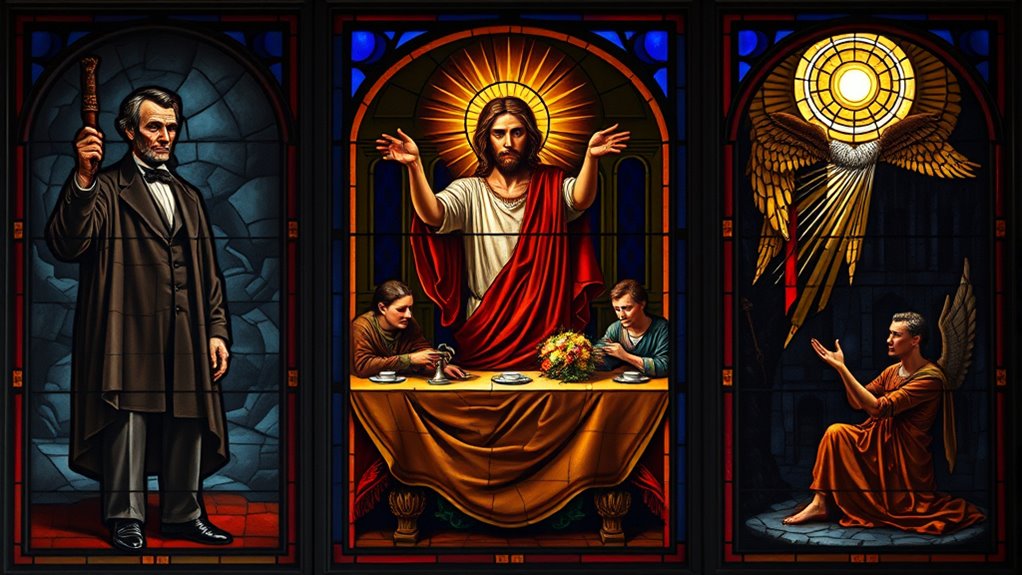
On Good Friday, Abraham Lincoln, Karl Stern, and Judas Iscariot each confronted a moment where freedom, betrayal, and grace intersected. Lincoln moved from profound despair after Fredericksburg toward redemptive public purpose. Stern, a Jewish psychiatrist, crossed from existential crisis into Catholic faith. Judas, closest to the source of grace, turned away entirely. Each man’s response to that same threshold produced vastly different outcomes, and their stories reveal why that difference matters.
The Good Friday Abyss Lincoln, Stern, and Judas Each Faced
Good Friday—the Christian day marking Christ’s crucifixion—served as a strange convergence point for three very different men separated by centuries and circumstance.
Good Friday became an unlikely crossroads where three men—divided by time—faced the same shattering collision of despair and grace.
Abraham Lincoln faced assassination on April 14, 1865, a Good Friday, while steering through the Civil War’s painful conclusion.
Karl Stern, a psychiatrist and Jewish convert to Catholicism, confronted a deep crisis of faith and identity during his own Good Friday reflections.
Judas Iscariot, present at Christ’s final days, chose betrayal over loyalty.
Each man stood at a similar abyss: a moment where freedom, despair, and the possibility of grace collided with devastating force. Humility before God can open the way to grace or harden a heart against it. Commentary author Donald DeMarco explores how freedom itself opens the door to either grace or the darkest betrayal. Judas ultimately received thirty pieces of silver for his betrayal, a sum that lost all meaning before his suicide.
How Lincoln Chose Grace Over Despair
Surviving personal loss and early poverty, Lincoln did not arrive at grace easily. Early despair, however, gradually shaped his character rather than destroying it. Friends like Joshua Speed offered practical help and steady companionship during the darkest periods. Over time, Lincoln found solace not only in friendship but in a growing sense of God’s presence that helped steady him through loneliness and doubt.
Over time, Lincoln shifted from viewing God as a harsh Calvinist judge to seeing a redemptive force that rewarded moral choices. The Emancipation Proclamation marked his clearest turn toward purpose, giving the Civil War higher moral meaning. His Second Inaugural Address, urging malice toward none and charity for all, reflected a man who had converted personal suffering into public hope.
Lincoln’s path to national prominence included the 1858 debates with Douglas, which brought him widespread attention and helped establish his voice as a powerful force against the expansion of slavery. After the devastation at Fredericksburg in December 1862, Lincoln confessed that if a worse place than Hell existed, he was in it, yet he pressed forward through the darkness rather than surrendering to it.
Karl Stern’s Leap From Betrayal to Faith
– Women in Scripture show diverse roles from leadership to ministry, illustrating biblical dignity that informed Stern’s appreciation for tradition and community
Why Judas Rejected the Grace He Was Offered
Positioned closer to Jesus than nearly anyone in the ancient world, Judas Iscariot nonetheless left the Last Supper unchanged.
John 12:6 records that he stole from the disciples’ shared money bag, suggesting greed shaped his priorities long before that final night.
He likely expected Jesus to overthrow Roman rule, and when that prospect faded, disappointment compounded his unbelief.
John 6:64 indicates he never truly believed. He witnessed the feeding of five thousand yet remained unmoved.
Grace was present at the table, but Judas, already walking toward the transaction that would earn him thirty pieces of silver, left anyway. When remorse finally came, he returned the blood money to the chief priests rather than to Christ, and they answered him with cold dismissal.
The devil, described in Revelation 12:10 as the accuser of the brethren, exploits precisely this kind of shame-driven despair, steering conviction away from repentance and toward self-condemnation.
Even amid such failure, Scripture affirms that sexual intimacy in marriage is a good, God-given gift within the covenant, underscoring that grace and restoration remain offered to those who turn back to Christ and embrace marital faithfulness.