







Turning to Jesus begins with accepting His invitation in Matthew 11:28, “Come to me, all you who labor and are burdened.” The call asks for no performance, only an approach, so the whole load can be brought as it is. Jesus promises rest for the soul, which commentators describe as deeper than sleep. He also offers an easy yoke, replacing self-made burdens with His provision. Further sections explain how this rest continues day by day.
Hear Jesus’ Invitation in Matthew 11:28
The invitation is broad, addressing “all,” and it is gentle, asking for no performance, only an approach. Even as Bible Gateway is currently unavailable in the UK and EU, readers there can still hear this invitation, since it does not depend on any one website.
Commentators often link “weary” to exhaustion from life’s demands and “burdened” to heavy loads, including religious strain and the weight of sin. This burden recalls Jesus’ words in Matthew 23:4, where religious leaders bind heavy burdens on people without helping them carry those loads.
The promised rest is usually understood as deeper than sleep, reaching spiritual and emotional fatigue.
The verse places relief in a person, not in a rigid system. Hope in Scripture is described as a confident expectation rooted in God’s character and promises confident expectation, not mere wishful thinking.
Come to Jesus for Rest, Just as You Are
Can a person rest in Christ before anything in life has been repaired? According to the invitation in Matthew 11:28, the answer is yes. Jesus addresses the weary and burdened, so exhaustion itself becomes the qualification for welcome.
The promised rest is “for your souls,” meaning relief from anxiety, guilt, and grief, even when circumstances remain difficult. Jesus’ offer reaches every kind of weariness, from overscheduled summers to chronic illness and mental health struggles that no vacation can relieve. Regular prayer and Scripture help people experience that promised peace in the midst of trouble.
Coming “just as you are” reflects trust, since it depends on Christ’s gentleness rather than self-sufficiency. The deepest burden of sin was already carried alone by Jesus, who suffered and died in our place, so peace with God is given as a gift rather than earned.
A person may bring the whole load, because the invitation rests on Jesus’ initiative, not human achievement.
Take Jesus’ Yoke and Drop Self-Made Burdens
In Matthew 11:29, Jesus follows His invitation to the weary with a surprising instruction: “Take my yoke upon you.” In Scripture, a yoke usually stands for burden, obligation, or servitude, and later New Testament writers use the word that way in Acts 15:10 and Galatians 5:1.
The command keeps responsibility, but it changes who carries the load. Jesus contrasts His yoke with the heavy loads described in Matthew 23:4, where religious leaders place burdens on others. Bible Gateway is currently not available in the user’s region, and additional details will be shared when they are available.
Taking it means submitting to His teaching, learning from Him, and sharing the work. Jesus calls this yoke easy and His burden light. Faith shown in belief is demonstrated through trusting God, obeying His commands, and persevering in trials. Paid Bible Gateway Plus subscribers should receive a refund by September 15, 2025, and anyone who has not received one by then should contact Customer Service.
Find Rest for Your Soul, Not Just Relief
The rest Jesus offers in Matthew 11:28-30 reaches further than a lighter schedule or a quiet weekend.
The promise is specific: “rest for your souls,” an inward peace that reaches anxiety, strain, and spiritual exhaustion. This echoes Jeremiah 6:16, where God’s people are urged to walk in the ancient paths and so find rest for their souls.
Jesus promises “rest for your souls,” an inward peace that reaches anxiety, strain, and spiritual exhaustion.
Theologians commonly describe it as a salvation-shaped rest, received through faith in Christ rather than self-effort.
The invitation is open to “all you who labor and are burdened,” and it begins with reconciliation to God. The NABRE footnote links the word “burdened” to the weight of the law as expounded by the scribes and Pharisees (Mt 23:4).
It is also active, since Jesus says to “learn from me,” trusting his gentle and humble heart.
Believers receive that peace now, and its fullness awaits in God’s presence. Many passages assure believers that God cares for anxious people and calls them to trust and pray, offering God’s peace as a remedy for worry and fear.
Keep Resting in Jesus Through Daily Dependence
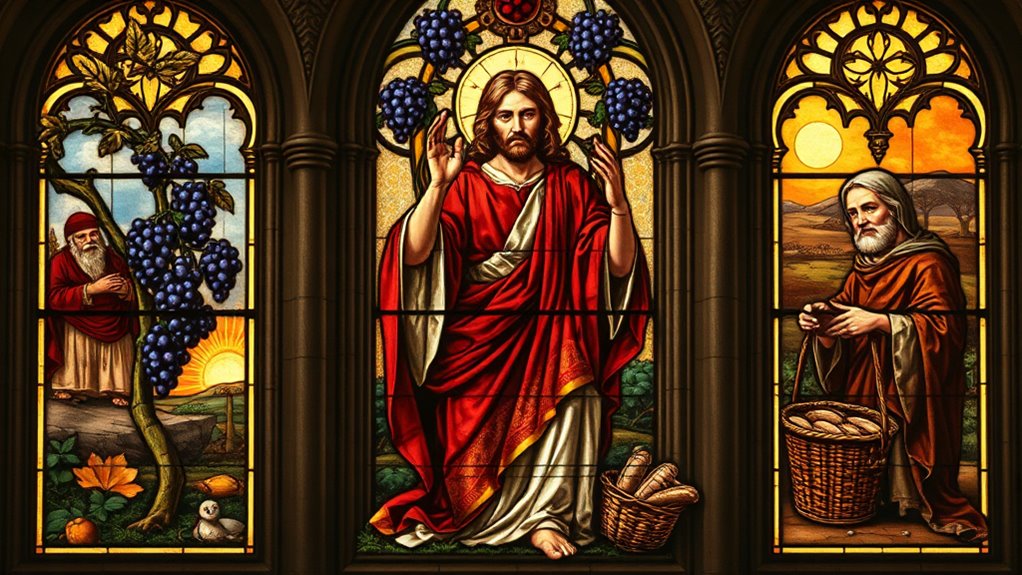
Rest in Jesus is not secured once and then left alone, since the New Covenant describes it as something believers return to each day. John 15:4-5 pictures this as abiding, a branch staying joined to the vine, because fruit comes from connection rather than self-effort.
Matthew 6:11 applies the same idea to prayer, asking for daily bread and trusting that provision arrives one day at a time. Exodus 16:4 shows the same pattern in the wilderness, where God gave Israel a day’s portion every day so they would learn to trust Him for tomorrow’s supply.
Lamentations 3:22-23 adds that mercies are new every morning, so weariness is met with fresh help.
Simple habits support this reliance: morning prayer, brief pauses during the day, and time in Scripture. The Greek verb behind abide in John 15 is meno, which means to remain, stay, dwell, or continue in, so abiding describes a settled way of being with Jesus rather than a momentary emotion. The biblical theme of Sabbath rest in creation and promise shapes how we practice daily dependence.