The Bible describes Satan as a created angelic being who rebelled against God through pride, recorded in Isaiah 14 and Ezekiel 28. His name means “adversary” in Hebrew. He operates as a deceiver, accuser, and tempter, as seen in Job 1 and Matthew 4. Christ’s death and resurrection decisively limited his power, and Revelation places his final end in the lake of fire. The full picture runs deeper still.
Key Takeaways
- Satan is a created angelic being whose name means “adversary,” possessing a mind, emotions, and will, not equal to God.
- Satan fell through prideful ambition, desiring to ascend God’s throne, causing moral corruption before his expulsion from heaven.
- In Scripture, Satan acts as tempter, accuser, and deceiver, even appearing before God to challenge the faith of believers.
- Satan attacks believers through subtle lies, division, emotional manipulation, and exploitation of suffering to produce doubt and accusation.
- Satan’s defeat is certain: Christ’s death nullified his accusations, and he faces eternal torment in the lake of fire.
Who Is Satan According to the Bible?

Few figures in religious literature carry as much weight as Satan, whose very name signals his role. Translated from Hebrew, “Satan” means “adversary” or “opponent.” The term appears throughout the Old Testament referring to human or angelic blockers, including the angel who opposed Balaam in Numbers 22:22–32. By the New Testament era, the name designated God’s chief opponent.
The Bible presents Satan as a created angelic being, not equal to God, as Ezekiel 28:15 confirms. He possesses a mind, emotions, and will, demonstrated clearly in Job 1 and Matthew 4:1–12. John 8:44 describes him as a murderer from the beginning and the father of lies. He is a personal entity with defined characteristics, not merely a symbol of evil. His rebellion against God drew many angels into opposition alongside him, as reflected in Ezekiel 28:15 and Isaiah 14:12–17.
In the Book of Job, Satan appears among the sons of God, roaming the earth and challenging Job’s righteousness before requesting divine permission to test Job’s faithfulness. This portrayal frames Satan as a subordinate heavenly prosecutor operating strictly within the boundaries of God’s authority.
How Did Satan Fall From Heaven?

Several passages across both covenants piece together the account of how Satan lost his original position. Isaiah 14:12–15 records five “I will” statements revealing pride and a desire to ascend God’s throne. Ezekiel 28:12–18 adds that beauty and trading corrupted his wisdom. Together, these texts describe an inward collapse before any outward consequence arrived.
The removal itself was forceful. Revelation 12:7–9 describes a battle in which Michael and heavenly forces defeated Satan, expelling him along with one-third of the angels, now identified as demons. Jesus confirmed this event in Luke 10:18, describing the fall as swift, like lightning. God initiated the expulsion because of sin, according to Ezekiel 28:16–17, making the departure a judicial act rather than a voluntary one. Job 1:6–7 indicates that even after this fall, Satan retained access to heaven, presenting himself before the LORD alongside other angels and reporting his movements across the earth.
The fall itself occurred before Satan appeared in the garden as the serpent to deceive Eve, meaning the rebellion and its consequences preceded the deception of mankind. Angels who joined the rebellion were cast down with Satan, eventually becoming the demons described throughout Scripture, hostile to both God and humanity, as Jude 6 confirms they are now reserved in everlasting chains awaiting judgment.
How Does Satan Attack Believers Today?
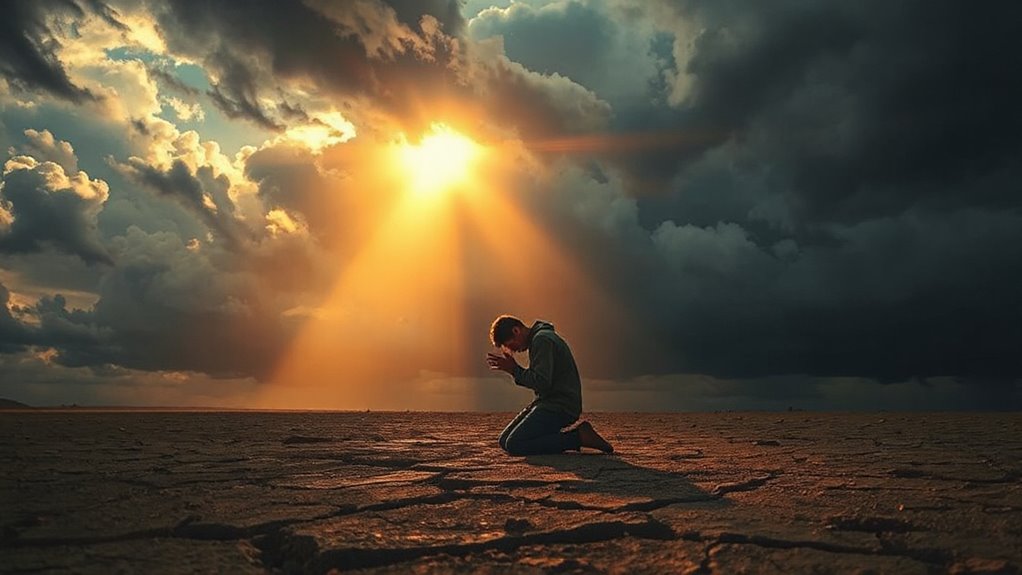
Scripture identifies many tactics Satan uses against believers, and most of them begin quietly rather than with obvious force.
Satan’s most dangerous moves rarely announce themselves — they begin as quiet whispers before becoming devastating storms.
He questions God’s Word, turning clear commands into debates about relevance.
He infiltrates churches with lies that closely resemble truth, requiring careful discernment from believers.
He stirs pride, anger, and suspicion to fracture church unity and obscure the gospel’s clarity.
Satan also induces suffering, using physical affliction, loss, and persecution to make believers doubt God’s goodness and power, much as he did with Job.
He tempts through fleshly desires and worldly wisdom, then accuses believers of being unworthy of forgiveness.
Scripture notes he seeks footholds through unresolved issues like anger.
He elevates celebrities and cultural influencers who accommodate sinful lifestyles, using their prominence to draw people away from a Gospel-centered focus.
Though Satan’s attacks are varied and persistent, God always limits Satan’s freedom, ensuring he cannot do all that he wishes against those who belong to Christ.
However, the Bible consistently presents these tactics as defeatable through faith and awareness.
How Is Satan Finally Defeated?

The certainty of Satan’s defeat, according to the Bible, rests on events that have already taken place rather than on future hopes alone. Christ’s death on the cross disarmed Satan by nullifying his primary weapon—the accusation that humanity is guilty and deserves condemnation. His resurrection put Satan on notice that remaining time is short.
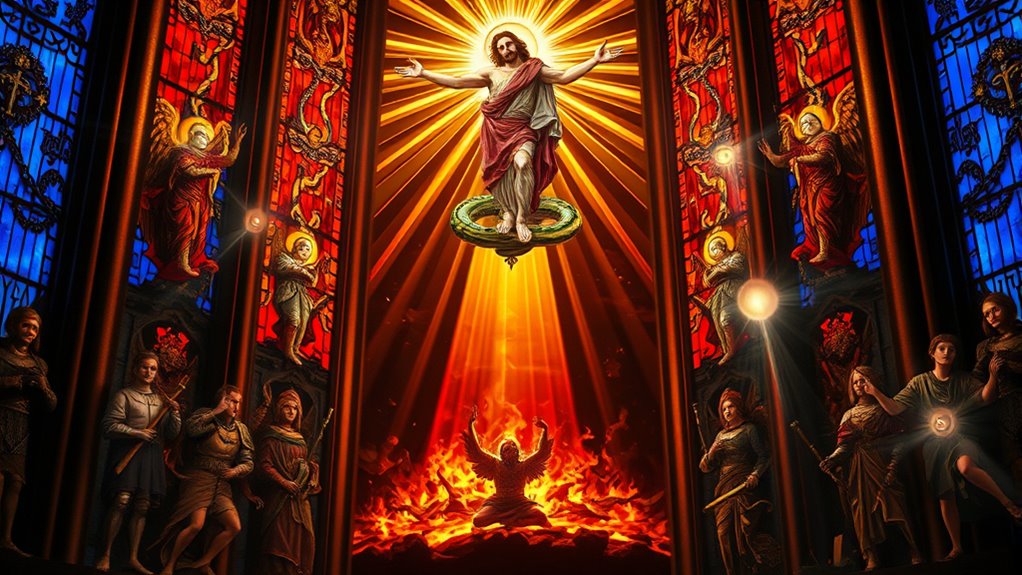
Revelation describes a future binding of Satan in the Abyss, restraining his ability to deceive entire nations. After a temporary release, Satan gathers nations for one final conflict, but heavenly fire consumes them decisively. Satan is then cast into the lake of fire alongside the beast and the false prophet, where torment continues forever. This outcome, the Bible suggests, fulfills a promise made at humanity’s earliest chapter.
Paul affirms that God will bruise Satan under believers’ feet, linking the crushing of Satan directly to the fulfillment promised in Genesis 3:15. The scope of God’s final victory extends beyond Satan himself, as death and Hades are also thrown into the lake of fire, bringing an ultimate end to the very power of death that sin introduced into creation.